Your smartwatch’s precision may be more questionable than you realize
Smartwatches have pervaded the daily routines of countless individuals, becoming essential gadgets for monitoring aspects such as step count, workout performance, sleep quality, and overall health metrics.
While the data they provide can be beneficial, it is imperative to approach these figures with a degree of skepticism.
Caloric Conundrums
Picture this: You conclude an invigorating run, invigorated and brimming with vitality. Yet, upon glancing at your smartwatch, you find it has registered a caloric expenditure significantly lower than anticipated, along with a lengthy recovery period.
Such discrepancies can be perplexing, as these devices do not directly quantify many of the metrics they present. Instead, they rely on a confluence of sensors and sophisticated algorithms, as noted by Videnskab.
Calorie tracking ranks among the most sought-after functionalities. Studies indicate that smartwatches can either overestimate or underestimate caloric burn by an astonishing margin of over 20 percent.
The extent of this variance largely hinges on the nature of the activity undertaken, with strength training, cycling, and high-intensity interval work frequently showcasing greater inaccuracies. This is particularly consequential, as individuals often rely on these metrics to make dietary choices.
Step Enumeration
While step counting serves as an invaluable tool for gauging daily movement, it is not infallible. Under optimal conditions, smartwatches can overlook approximately 10 percent of total steps taken.
Activities such as pushing a stroller, lugging heavy bags, or walking with limited arm mobility can exacerbate this issue, given that most devices predominantly monitor wrist motion.
Cardiac Monitoring
Heart rate assessments typically exhibit reliability during periods of rest or low-intensity exertion. However, accuracy tends to wane during strenuous workouts. Various factors—including perspiration, skin pigmentation, arm movement, and the watch’s fit—can critically influence the results.
Sleep Analysis
Sleep tracking functionalities also exhibit notable limitations. While most smartwatches can generally ascertain whether the wearer is asleep or awake, their proficiency diminishes when it comes to identifying specific sleep phases such as deep sleep and REM. Consequently, your sleep score might not authentically reflect the quality of your rest.
Recovery Metrics and VO₂ Assessments
Recovery scores and VO₂ max estimates similarly derive from calculations rather than direct physiological measurements.
Although these metrics can be instrumental in detecting overarching trends, they are not without their flaws.
Experts advocate for a discerning interpretation of smartwatch data, suggesting it should function more as a heuristic than a definitive gauge.
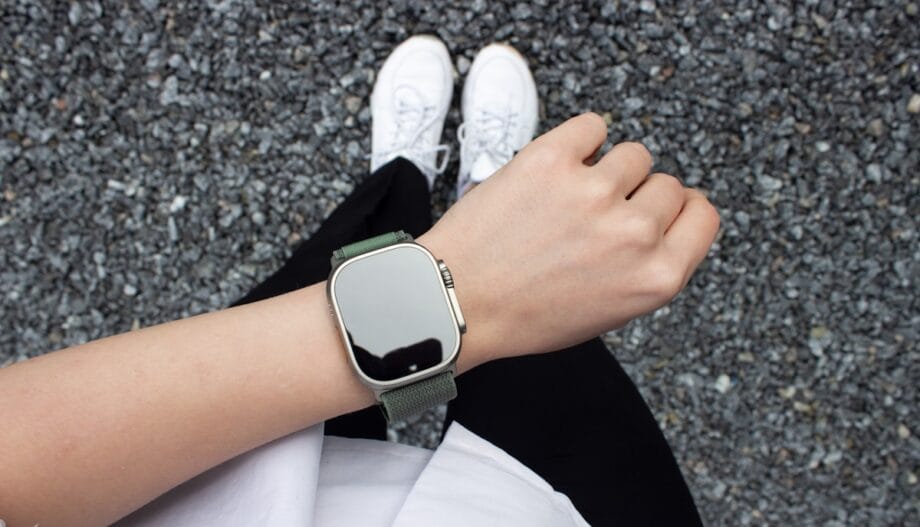
Additionally, it remains crucial to attune oneself to personal feelings, performance during physical activities, and the rate of recovery.
Such intrinsic signals often provide a more authentic reflection of one’s health than the numerical output displayed on a wrist-mounted device.
Source link: Dagens.com.