In a significant shift after years of competitors like Android establishing a firm grip on the foldable smartphone sector, Apple is poised to introduce the “iPhone Ultra” by late 2026.
Insights from industry insiders indicate that the protracted timeline was less about achieving hardware excellence and more about the strategic timing for the release of iOS 27, which is set to overhaul mobile multitasking paradigms.
Rumored specifications reveal that the iPhone Ultra will boast an impressive 7.7-inch inner OLED display alongside a 5.3-inch outer screen.
In a surprising departure from its entrenched biometric practices, Apple has opted to forgo Face ID on the inner display, substituting it with a Touch ID integrated into the power button.
This polarizing design choice creates a seamless, nearly bezel-less internal interface, but comes at an eye-watering retail price exceeding USD 2,000 (approximately KES 260,000).
The iOS 27 Multitasking Revolution
Software developers working with the iOS 27 beta have confirmed the inclusion of innovative “foldState” and “angleDegrees” APIs.
These new frameworks promise to harmonize the iPad OS’s window management with the iPhone’s user interface.
Instead of merely expanding applications, iOS 27 enables developers to activate distinct interfaces based on the hinge angle, facilitating an authentic split-screen functionality that has been limited to macOS thus far.
This high-end device presents notable challenges in the global market. In Kenya, the hefty import duties levied by the Kenya Revenue Authority (KRA) on a USD 2,000 device could elevate the final retail price to nearly KES 320,000.
Such exorbitant pricing will likely restrict the iPhone Ultra to ultra-high-net-worth individuals and corporate executives, thereby testing Apple’s pricing strategy in burgeoning African markets.
Supply Chain and Production Metrics
Insights from South Korean supply chain analysts at TheElec disclose the intricate manufacturing logistics associated with the Ultra:
- Samsung Display Investment: Samsung has significantly enhanced its 6th-generation OLED A4 facility in Asan to cater specifically to Apple’s rigorous quality standards.
- Hinge Mechanisms: Reports indicate that 3D-printed hinge components sourced from Taiwanese and American suppliers have effectively mitigated previous durability issues.
- Form Factor: The device is designed to unfold into a 7.7-inch display, indirectly threatening sales of Apple’s iPad Mini.
Balancing the Samsung Relationship
The interplay between Apple and Samsung remains fraught with complexities. Samsung Display is tasked with managing substantial production demands for Apple’s foldable, whilst concurrently attending to its own Galaxy Z Fold 8’s requirements.
By entering the foldable market in 2026, Apple seeks to claim a significant share of the premium category that Samsung has diligently cultivated since 2019.
The Ultimate Premium Test
The iPhone Ultra signifies a drastic deviation from Apple’s historical commitment to consumer accessibility.
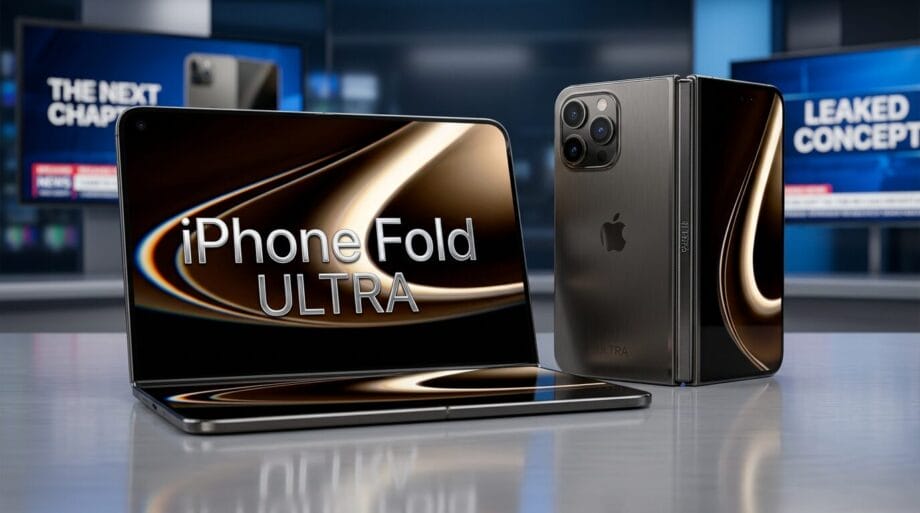
By placing genuine multitasking capabilities behind a USD 2,000 price barrier, Apple is wagering that power users will willingly invest in an iPad-iPhone hybrid.
As September approaches, the technology industry eagerly anticipates whether Apple’s careful six-year delay will yield a flawless offering or if it signifies a tardy entry into an already established market.
Source link: Streamlinefeed.co.ke.