Quick Summary
Gaming is a broad form of interactive entertainment that includes much more than just playing video games. It covers different types of games, ways to play, and devices people use, while also showing how gaming has grown into an important part of modern technology, culture, and everyday life.
This article explains gaming in simple terms, making it easier for beginners to understand what it is, how it has evolved, and why it attracts people of all ages. As we read, we will learn how different gaming experiences work, the roles of players and platforms, and how gaming can influence learning, problem-solving, social interaction, and career opportunities.
The article also explores common concerns such as excessive gaming and screen time, while introducing future developments like virtual reality, cloud gaming, and artificial intelligence. By the end, we will have a well-rounded understanding of gaming, its impact on society, and the practical knowledge needed to make informed choices about engaging with it.
What is Gaming?
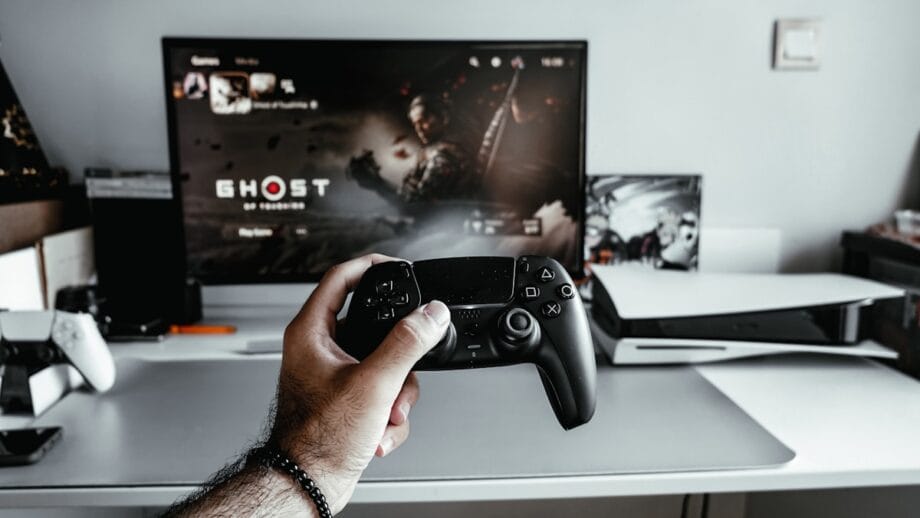
Gaming is a broad form of interactive entertainment that includes many forms of play and competition. We take part in gaming whenever we play video games, board games, card games, or casino gambling.
The term stretches beyond simple recreation, too. It includes simulation experiences, training scenarios like war games, and strategic challenges that test our decision-making skills.
Gaming works as both a hobby and a competitive pursuit. We don’t need an earned title or special identity to join in.
We can enjoy gaming casually with zero commitment, or we can treat it as a serious pursuit with real skill development behind it.
The Core Elements of Gaming
A few things define gaming no matter which type we choose: interaction, challenge, and community. We experience gameplay through mechanics that demand problem-solving, strategy, and quick thinking.
Entertainment value drives most gaming experiences. Some players want quick amusement through casual play, while others crave deep immersion in complex stories.
Competition matters, too. We measure our performance against computer-controlled opponents, other players, or a set of goals we’re trying to beat.
Our gaming journey might involve mastering a specific skill, earning rewards like loot and power-ups (we’ll often see these called a “1-UP”), or climbing through tougher and tougher levels.
The gaming community even built its own language along the way. Here are a few terms we hear often:
- NOOB: A new or inexperienced player.
- GG: Short for “good game,” said after a match ends.
- LAG: A delay caused by a slow internet connection.
This shared vocabulary gives players a sense of belonging, even with strangers. Once we know these basics, we’re ready to explore the different platforms and modes gaming offers today.
A Brief History of Gaming
From here, we mostly focus on video gaming. The history of video gaming started earlier than most people realize. Physicist William Higinbotham invented the first computerized tennis game in 1958, marking the birth of video gaming as an American industry.
That simple digital experiment laid the groundwork for everything that followed.
From Arcades to Home Consoles
The 1970s and early 1980s became known as the Golden Age of video gaming. Iconic titles like Pong and Pac-Man captured players’ imaginations and changed entertainment for good.
These games proved that interactive digital experiences could hook millions of people worldwide. Major companies like Nintendo, Sega, and Sony emerged during this era, reshaping how people play and what they expect from gaming technology.
The next big leap came in the late 1990s and early 2000s. Nintendo’s N64 and Sony’s PlayStation brought serious power and storytelling into our living rooms.
Suddenly, players had access to three-dimensional worlds, complex narratives, and competitive multiplayer, experiences earlier generations of hardware simply couldn’t handle. Gaming stopped being a niche hobby and became a real cultural force, blending art, storytelling, and physical interaction in new ways.
The different types of gaming we’ll see next all trace back to these same foundational developments.
Recent News
Types of Gaming

Gaming splits into three distinct player categories, and each one shapes how we experience interactive entertainment differently.
- Casual gamers play for relaxation and quick fun.
- Hardcore gamers dedicate serious time to mastering complex mechanics.
- Professional gamers compete in esports tournaments for real money.
Casual Gaming
Casual gaming prioritizes accessibility and fun over complex mechanics or competitive intensity. We don’t need an “earned” gamer identity to enjoy casual games, so we can pick up and play without training or prior experience.
Mobile gaming fits squarely into this category thanks to how easy it is to access anytime, anywhere. Casual gaming helps start and maintain relationships across age groups, making it a genuine tool for social connection, not just idle amusement.
Why Social Interaction Drives Casual Play
Social interaction sits at the core of the casual gaming experience. It’s shaped by environmental factors, player traits, and game design elements working together.
We benefit from casual play because it encourages non-solitary engagement. Developers design these games specifically to promote social interaction among participants, not just solo achievement.
The research still has gaps, though. Scientists don’t fully understand every social outcome or the best ways to measure how social interaction unfolds during a casual gaming session.
Either way, these games give us a chance to build and maintain relationships while having fun, which sets casual gaming apart from types that demand higher skill or bigger time commitments.
Hardcore Gaming
Hardcore gaming describes a category where players pour serious time and skill into demanding games that require deep engagement and mastery. We commit real hours to titles that push us toward tougher and tougher goals.
This style differs from casual gaming because hardcore gamers chase progression through intricate mechanics, competitive rankings, and long storylines.
Understanding the Risks of Hardcore Play
Research shows hardcore gamers often report greater psychological distress compared to other players. Loneliness frequently correlates with both engaged and problematic gaming behavior in this group.
The relationship between hardcore gaming and addiction is important to understand. Studies show 1.2% of gamers meet clinical addiction criteria, with higher rates among males and younger players.
In the USA, “Internet Gaming Disorder” is officially recognized as a condition that needs further clinical research. That’s important context. It means this isn’t just internet chatter; it’s a real diagnostic category U.S. mental health professionals track and study.
Time spent in online gaming environments can make problematic patterns worse. Studies show that more hours chatting online correlate with higher rates of engaged and problematic gaming.
About 5.3% of participants identify as problem gamers, meaning they experience real distress and get excluded from parts of daily life because of their gaming habits. Researchers compare problem gaming to clinical addictions like gambling and substance abuse, which is why it helps to recognize warning signs early:
- Spending excessive time gaming at the cost of other priorities.
- Neglecting responsibilities like work, school, or relationships.
- Continuing to play despite clear negative consequences.
Knowing this distinction helps us evaluate our own habits. It’s the difference between healthy skill development and a pattern that’s shifted into problematic territory.
Professional Gaming
Professional gaming is a competitive field where skilled players earn income through tournaments, sponsorships, and streaming. We enter this space by building exceptional skill in specific games and a solid reputation in the community.
Esports organizations recruit top talent for high-stakes tournaments, where prize pools often reach millions of dollars. Major regulatory bodies and gaming commissions now oversee competitive gaming to keep play fair and protect players.
Professional gamers usually specialize in specific titles, like League of Legends, Dota 2, or Counter-Strike, and spend countless hours perfecting their craft through skill-based training and team coordination.
Game studies, a multidisciplinary academic field, has helped researchers understand professional gaming and player communities far better than a decade ago. Video game streaming has also changed how we can build a competitive gaming career, letting players monetize gameplay through platforms like Twitch and YouTube.
Competitive play is not the only professional career path within the gaming industry. We can pursue professional gaming jobs as a game designer, programmer, animator, or quality assurance tester inside a development studio.
Cloud gaming technology now lets professional players compete from anywhere without needing expensive gaming PCs, making the competitive scene more accessible than ever. Esports demands high skill and strong teamwork, and it now offers organizations, salaries, training facilities, and sponsorships that rival traditional sports careers.
Gaming Modes
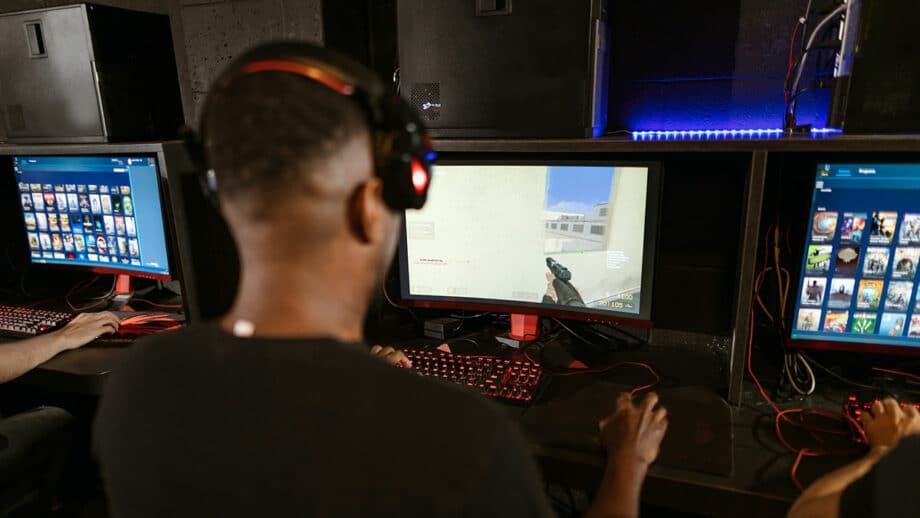
Gaming modes determine how we interact with the game and other players. We can play alone, compete with friends in real time, or join massive online communities where thousands explore virtual worlds together.
Single-Player Games
Single-player games let us enjoy narrative-driven or skill-based gameplay without needing to interact with anyone else online. We get personal achievement and narrative immersion as we move through storylines and challenges built just for us.
Iconic franchises like Pokémon let us play offline, completing quests and building our character at our own pace. These games offer escapism and can provide stress relief when we need to disconnect from daily pressure.
Solo gaming even teaches resilience. It helps us cope with failure, encourages us to try again after setbacks, and builds real problem-solving skills. Playing alone isn’t just entertainment; it’s a real coping tool.
We experience creativity and personal growth through skill-based gameplay that challenges us without competitive pressure from other players. The offline experience gives us complete control over our pace, letting us fully sink into the game world.
Our mental health benefits from this focused, pressure-free environment, where we set our own goals and celebrate our own wins. Single-player modes give us a real chance to build confidence and emotional resilience through meaningful achievements.
Multiplayer Games
Multiplayer games let us play with other people in shared online or local environments. We can compete against opponents, team up with allies, or mix both depending on the game we choose.
Multiplayer games help us build relationships, maintain friendships, and strengthen connections across age groups. The gameplay mechanics and player dynamics in these games create real opportunities for meaningful interaction that extends beyond the screen.
Communication and teamwork sit at the core of multiplayer experiences. Competitive modes tend to produce more laughter and stronger nonverbal cues between players, while creative modes drive big jumps in verbal communication.
Popular multiplayer genres like First Person Shooter (FPS), Third Person Shooter (TPS), and MOBA games show how different designs shape our engagement and teamwork with other players. Environmental factors, player traits, and game design all influence whether our experience centers on competition, cooperation, or simply building relationships within the community.
Massively Multiplayer Online (MMO) Games
Massively Multiplayer Online games put large numbers of players together in shared online worlds where thousands interact at once. These virtual communities create persistent worlds that keep running even after individual players log off.
We enter these digital spaces to complete quests, battle enemies, and team up with real people in ways single-player games simply can’t offer. MMOs blend storytelling, exploration, and social interaction into one experience that keeps players hooked for months, sometimes years.
The social foundation of MMO gaming sets it apart from every other mode. Over 70% of MMO players report improved social interactions and a sense of community through gaming, which shows just how powerful these connections can be.
We join guilds, which are player-run organizations that coordinate group activities like raids (large-scale battles that require real teamwork among multiple players). These collaborative experiences often turn into friendships that extend beyond the game itself, with many players staying connected through messaging apps, voice chat, and social media.
MMO communities welcome players of every age, gender, and background, making them ideal spaces for anyone learning new technology while looking for stress relief and real online connection.
Gaming Platforms

We can play games on plenty of devices today, from traditional consoles and computers to smartphones and cloud systems that stream games straight to our screens. Here’s how each platform shapes our experience differently.
Console Gaming
Console gaming remains a major segment of the video game industry, with nearly 18% of the global population playing games through console platforms. We experience gaming on dedicated hardware systems like Nintendo’s N64 and Sony’s PlayStation, both of which transformed the industry in the late 1990s and early 2000s.
These home entertainment systems deliver serious interactivity and immersion through exclusive titles we won’t find on other platforms, which keeps players engaged and loyal.
Console-specific genres like platformers and fighting games show off what these systems do best, with experiences built around their exact hardware strengths.
Our console gaming experience goes beyond solo play, too. Multiplayer features make it easy for family members and friends to gather and play together across generations.
Console gaming still holds a major share of the industry, even with competition from mobile and cloud gaming. That staying power proves its appeal to millions of players, whether they’re casual fans or hardcore enthusiasts chasing deep, story-driven adventures.
PC Gaming
PC gaming is one of the most flexible and customizable platforms we can choose. Our gaming PC works as a powerful machine that delivers advanced graphics, strong performance, and hardware options built around our exact needs.
We can upgrade individual parts – our graphics card, processor, or memory – to optimize performance for specific games and genres. That’s a level of control other platforms simply can’t match.
Community, Mods, and Optimization on PC
PC gaming opens the door to nearly every mode and community out there. Single-player campaigns, multiplayer competitions, and massively multiplayer worlds all run on PC, though performance and visual quality vary by setup.
Performance issues in gaming PCs affect frame rates, which is why proper optimization (and cloud gaming technology) matters so much for smooth gameplay.
We can also enhance our experience through modifications, or “mods,” which let us alter gameplay mechanics, upgrade graphics, or add brand new content built by the community.
The PC platform supports indie developers and major studios alike, creating an ecosystem where quality assurance testers and programmers build everything from tiny passion projects to blockbuster titles. Our engagement in PC gaming communities connects us with other players who share hardware tips, optimization tricks, and insights that shape where PC gaming heads next.
Mobile Gaming
Mobile gaming represents one of the biggest shifts in entertainment over the past decade. We access games through our smartphone or tablet using iOS or Android, downloading apps from the App Store or Google Play.
By 2023, mobile gaming surpassed both PC and console gaming in user engagement and revenue, changing how the whole industry operates. Mobile devices are now the platform of choice for 80% of the Americans who play video games weekly.
This shows where the industry’s center of gravity has shifted. The convenience of mobile means we can play anywhere, anytime, which is exactly why this platform reaches a much broader audience than traditional consoles or computers ever did.
Our gaming habits on mobile vary by age, gender, and location, reflecting just how wide this medium’s appeal really is. Casual gaming dominates mobile, where we engage with simple, easy-to-learn titles during short bursts throughout our day.
Social features boost engagement through multiplayer functions, letting us compete or team up with friends and strangers with almost no setup required.
Simple social features drive most of the mobile growth we see across the industry. Mobile games generate revenue through in-app purchases, ads, and subscriptions, creating business models developers keep refining.
The accessibility of mobile gaming has opened interactive entertainment to almost everyone, no matter our technical skill or budget for dedicated gaming hardware.
Cloud Gaming
Mobile gaming brought entertainment to our pocket. Cloud gaming takes the next step by removing hardware limits entirely, letting us play high-quality games on nearly any device without an expensive console or gaming PC.
Servers in data centers run the actual game, then stream the video straight to our screen through the internet. This uses virtualization to separate the game’s processing from our device, meaning our phone, tablet, or older computer suddenly becomes powerful enough to handle demanding titles.
Advanced cloud gaming technology helps address the PC performance issues that plague traditional setups. We access games through a streaming subscription instead of buying titles outright, which significantly cuts our upfront costs.
Latency and bandwidth are the biggest hurdles with cloud gaming. Our connection needs consistent speed and low delay, since any lag between our input and the game’s response can wreck the experience. Stable connections with round-trip latency under 40 milliseconds consistently deliver a smooth, responsive session.
Cloud gaming cuts hardware costs for the developers building these games and us, making interactive entertainment more accessible to a broader audience. The ecosystem keeps expanding as platforms integrate with mobile and console systems, giving us more flexibility in how we play.
Service stability still matters most, since our entire session depends on a reliable internet connection and the provider’s server performance. This accessibility edge positions cloud gaming as a real contender for the future of computer games, especially as internet infrastructure keeps improving nationwide.
Benefits of Gaming

Gaming offers real advantages that go far beyond simple entertainment. We build stronger problem-solving skills, sharpen our cognitive abilities, and form meaningful connections with other players through interactive experiences.
Cognitive and Problem-Solving Skills
Video games strengthen our cognitive abilities in ways researchers can actually measure. Studies show that playing shooter games improves our three-dimensional thinking skills to a level comparable to formal academic training.
Our spatial awareness, reasoning, and memory all improve as we navigate complex game environments and process visual information fast. Strategic video games push us to think critically and apply logic to solve problems, which translates into better school performance.
Our brain also learns to analyze situations, weigh options, and make decisions under pressure, skills that carry over directly into school and work.
Building Resilience Through Failure
Our resilience grows stronger through gaming because we hit failure regularly and have to adapt to succeed. Each time we fail in a game, we build persistence and start seeing setbacks as opportunities instead of defeats.
Games teach adaptability, too, forcing us to adjust strategy when our first approach doesn’t work. That builds mental flexibility that serves us well in real-world problem-solving.
Research even shows that video games boost creativity more effectively than other technologies like computers or smartphones. Our ability to think strategically, solve complex puzzles, and find creative solutions grows with consistent play, building a foundation for better learning across multiple subjects.
Social Interaction and Collaboration
Gaming goes far beyond individual achievement and solo puzzle-solving. Multiplayer experiences create real opportunities for us to connect with others through shared challenges and common goals.
Social gaming, defined by non-solitary engagement and the intent to promote interaction, changes how we build relationships across age groups. Multiplayer games help start, maintain, and strengthen relationships among players nationwide.
Collaborative play fosters meaningful communication and teamwork, and creative multiplayer modes drive big increases in verbal communication among participants.
How Gaming Builds Real Teamwork
Competitive modes generate more laughter, strengthening nonverbal connections and deepening bonds between players. These patterns show that gaming platforms work as genuine social spaces, not just places to compete.
Our multiplayer experience often extends into real-world relationships, too. MMO games build friendships that last well beyond the virtual world, creating lasting bonds among teammates.
We develop teamwork skills through coordinated effort, shared decision-making, and mutual support during gameplay. Environmental factors, player traits, and game design all shape how well we collaborate with others in these spaces.
Community-driven experiences push us toward collective goals, strengthening our ability to communicate clearly and solve problems together. That socialization gives us real practice building trust and maintaining relationships across all kinds of people.
Controversies in Gaming

Gaming comes with real challenges we should understand before diving deep into this world. Screen time concerns and debates over violent content spark ongoing conversations among parents, researchers, and industry professionals about how electronic gaming affects players of every age.
Screen Time and Addiction
Excessive screen time creates real risks for digital addiction, especially among younger players and males. Our risk of problematic gaming climbs the more hours we spend chatting online while playing. Studies show that increased online communication directly correlates with higher rates of problematic behavior.
Gaming addiction shares real similarities with clinical addictions like gambling and substance abuse. Our brain can develop the same reward-seeking patterns that drive other behavioral addictions.
Recognizing the Warning Signs
This condition shows up through social isolation, mental health struggles, and compulsive behavior we might not be able to control, even when we know it’s a problem.
Loneliness plays a big role in our vulnerability to gaming addiction. Both highly engaged and addicted gamers report greater psychological distress and loneliness compared to casual players, creating a troubling cycle where we turn to games to escape emotional pain, only to feel more isolated.
Our mental health can suffer when we prioritize gaming over face-to-face relationships and offline activities. Watch for these signs in ourselves or someone we care about:
- Neglecting responsibilities like work, school, or chores.
- Mood swings when we can’t play.
- Using games mainly to cope with negative emotions instead of for fun.
Violence in Video Games
Beyond screen time and addiction, we’ll run into an ongoing debate about violent content in gaming. The stereotype that gaming centers on violence has stuck around for decades, but it overlooks how diverse today’s genres really are.
Online, mobile, and PC gaming all offer inclusive experiences, from puzzle games and educational titles to sports simulations and narrative adventures with zero violence.
Research on violence in video games stays mixed, with scientists still investigating potential links between gameplay and aggression. Policymakers and media outlets discuss this topic often, reflecting broader concerns about how interactive entertainment might shape behavior.
The gaming community holds varied views here, too. Plenty of players and developers actively build and support non-violent alternatives that push back on outdated stereotypes about the medium.
Some research suggests a possible link between violent games and increased aggression, though the findings stay inconclusive and contested among scientists. That conversation often overlaps with discussions of addiction and problem behavior, which makes it tough to isolate specific causes of harm.
Policy debates keep shaping how games get rated and how communities respond to violent content. Ultimately, gaming covers far more than violent stereotypes suggest, and the medium keeps expanding in directions that reflect its global audience’s varied tastes and concerns.
Articles you may like
Future Trends in Gaming

Gaming technology keeps moving fast, with virtual reality and augmented reality creating immersive experiences that blur the line between digital and physical worlds. Artificial intelligence and machine learning now power smarter game mechanics, adaptive difficulty, and personalized gameplay that responds to our unique style.
Virtual Reality (VR) and Augmented Reality (AR)
Virtual Reality builds a fully immersive technology that replaces our real surroundings with a digital environment. We wear a headset that displays three-dimensional scenes, and our movements control what we see and interact with inside that simulated world.
Augmented Reality works differently. It overlays digital elements onto our actual surroundings through devices like smartphones or AR glasses, blending real and virtual together.
Both technologies deepen user experience in ways traditional screens simply can’t match. The VR gaming market is projected to generate billions in revenue as developers keep expanding these immersive experiences.
AI and Machine Learning in Games
AI and machine learning change how games respond to our actions and decisions. These systems create adaptive environments that shift based on our performance and playing style.
The gaming industry uses AI to build nonplayer characters that make human-like decisions instead of following predictable patterns. Reinforcement learning trains these characters to learn from our interactions, turning them into smarter opponents over time.
Procedural generation uses AI to build unique worlds, levels, and challenges without developers having to design every element by hand. This tech even serves as a testbed for advanced AI methods, including planning algorithms and content generation techniques.
Personalization Through Machine Learning
Our experience becomes more personal as machine learning studies our choices and adjusts the game to match.
Dynamic difficulty is one of the most practical uses of machine learning in games today. Our game automatically adjusts its challenge level based on how we’re performing, keeping things engaging whether we’re excelling or struggling.
AI-driven analytics track our behavior and preferences, helping developers personalize content that matches our skill and interests. These adaptive systems prevent frustration from overly hard sections and boredom from tasks that feel too easy.
Research shows machine learning improves both casual and hardcore gaming experiences by tailoring content to individual players. The industry keeps investing in AI innovation to drive the next wave of advancements that will reshape how we interact with digital worlds.
Key Takeaways
- Gaming is a broad form of interactive entertainment that includes video games, board games, card games, simulations, and other activities that combine interaction, challenge, and decision-making.
- People enjoy gaming in different ways, from casual play for relaxation to competitive esports, and each approach offers a different level of commitment and skill development.
- Games can be played in single-player, multiplayer, or large online worlds, giving players opportunities to enjoy stories, solve problems, compete, or build lasting social connections.
- Modern gaming is available on consoles, PCs, mobile devices, and cloud platforms, allowing people to choose the option that best matches their needs, budget, and preferred style of play.
- Playing games can help strengthen problem-solving, critical thinking, resilience, and teamwork when gaming is approached in a balanced and healthy way.
- Excessive gaming can negatively affect daily responsibilities and well-being, so it is important to recognize unhealthy habits and maintain a balanced lifestyle.
- Gaming includes many different genres and experiences, so it should not be viewed only through the lens of violent games or competitive play.
- New technologies such as virtual reality, augmented reality, artificial intelligence, and cloud gaming are expanding what games can do and shaping the future of interactive entertainment.
Conclusion

So, what is gaming, really? We now know it’s far more than simple entertainment.
It’s an interactive medium that shapes culture, builds real skills, and creates meaningful connections across the globe.
The journey from a 15th-century gambling term to today’s massive video game platforms shows how technology transforms human experience. It’s opened entirely new career paths in game development, esports, and interactive media design along the way.
Our engagement with gaming, whether casual or competitive, feeds into a thriving industry that blends art, storytelling, and cutting-edge technology into compelling experiences.
The future promises even more innovation through virtual reality, artificial intelligence, and new platforms that will keep redefining what interactive entertainment means.
Understanding gaming’s scope, benefits, and challenges equips us to take part thoughtfully in this dynamic cultural force that influences millions of players worldwide.