Quick Summary
Graphic design is the practice of using visual elements to communicate ideas, information, and messages clearly. It combines elements such as typography, color, imagery, layout, and visual hierarchy to create designs for digital and physical applications.
This guide introduces the fundamentals of graphic design and explains how these elements work together to make visual communication more effective. The article also explains how graphic design has evolved, its major specializations, and the skills needed to work in the field.
You will learn how areas such as branding, advertising, publishing, packaging, and UI/UX design use different approaches to address communication and user experience challenges. It also introduces the creative, technical, communication, and problem-solving skills that support a career in graphic design, along with several career paths available to designers.
What is Graphic Design?

Graphic design is a discipline that uses visual elements to communicate ideas, information, and messages.
Designers combine elements such as color, typography, layout, and imagery to create designs that communicate clearly and function effectively. This practice covers everything from product packaging to social media content, digital graphics, and full branding systems.
Designers make intentional choices that let businesses connect clearly with their audience. The job centers on clarity, consistency, and visual appeal so the intended message is communicated effectively.
A central purpose of graphic design is to solve communication problems through strategic thinking, rather than focusing only on visual appearance.
“Graphic design is the art of conveying ideas visually, integrating creativity with strategy for various applications including digital graphics, branding, packaging, and social media content.”
The role of graphic designers involves understanding how color theory shapes emotion and perception. They learn how typography changes the way people read and interpret a message.
Layout and composition can influence whether viewers continue engaging with the content or move on. Imagery and visual hierarchy point attention toward what matters most. Together, these elements shape how people perceive and interact with a design.
Effective graphic design takes more than artistic talent. It demands problem-solving skills and strategic thinking. Every choice, from font selection to color palette, has a job to do: communicating the client’s message to the right audience.
The History and Evolution of Graphic Design

Graphic design has roots in ancient visual communication, manuscripts, symbols, and early forms of printing. The invention of the movable-type printing press in the 15th century transformed the reproduction of text and images and laid important foundations for modern graphic design.
Early designers experimented with typography, layout, and illustration to improve the presentation and communication of information. The Industrial Revolution of the 18th and 19th centuries increased demand for commercial visual communication, including advertising, packaging, and distinctive brand identities as businesses competed for attention in growing markets.
These early moves built the foundation for the visual communication you see everywhere today.
The 20th century introduced design movements that continue to influence graphic design today. Here’s a quick look at the milestones that mattered most:
- Bauhaus movement: introduced simplicity and function as design goals rather than afterthoughts.
- Swiss design philosophy: gave designers grid-based composition for clarity and speed.
- Post-World War II boom: consumer spending surged, and corporate branding became essential.
- Digital design tools: the emergence of desktop publishing and later digital design software transformed how designers create, edit, reproduce, and distribute visual content.
Understanding this history helps explain why these fundamental design elements remain important today.
Recent News
Key Elements and Principles of Graphic Design

Graphic designers combine several foundational elements and principles to create visuals that communicate effectively. Understanding these elements and principles enables designers to create clear, effective, and visually cohesive designs.
Design elements are the basic components used to create a visual design, such as color, typography, imagery, and space. Design principles describe how those elements are arranged and combined to create balance, hierarchy, contrast, and visual unity.
Typography
Typography means using text strategically, picking the right font, size, weight, and arrangement to keep the message readable and visually appealing. Font choices can influence how people perceive a design before they read its content.
Serif fonts are often associated with traditional or formal styles, while script fonts are often associated with creativity or elegance. Font choices can influence how people perceive the tone, personality, and message of a design.
Beginners are often advised to limit the number of font families they use, because too many typefaces can make a design feel inconsistent or cluttered. A clear hierarchy, built with contrasting font pairs, guides the eye to what matters first. Developing these habits early can help designers avoid common typography mistakes.
Readability and legibility sit at the core of good typography. That means choosing appropriate typefaces, sufficient contrast, and sizes that remain readable across different screens and devices.
The text needs to stay clear and easy to read, especially since people view the work on phones, tablets, and computers. White space around text gives the design room to breathe, rather than overwhelming the audience.
Good typography communicates the message clearly while contributing to the overall visual quality of the design. Studying design fundamentals directly sharpens typography skills and strengthens every visual composition.
“Typography is not just about making text look good; it’s about making communication work harder and smarter for the audience.”
Color Theory
Color theory studies how colors work together and how they affect emotion and perception. It examines the relationships among hues and saturation levels and how these elements combine to create visual harmony.
Understanding color theory helps make design choices that communicate clearly and guide viewers’ first look. Color choices can influence mood, perception, and the emotional tone of a design. Here’s a quick breakdown of common color associations used often:
- Blue, white, beige: calm and trust, which is why Dove leans on these tones for its packaging.
- Red, orange: energy and urgency.
- Green: health, growth, and sustainability.
- Black, gold: luxury and sophistication.
Contrasting color combinations boost readability and visual impact, making the designs easier to understand at a glance.
Color can significantly influence how people perceive a brand and its visual identity. The choice of palette can affect the emotional tone and overall perception of a design.
Building visual harmony through smart color choices keeps the designs cohesive and free of confusion. Saturation and contrast work together to create hierarchy, guiding the eye toward what matters most.
The relationships between colors can influence the mood and emotional tone viewers associate with a design. Once designers understand these principles, they can make strategic calls about which hues best serve their design goals.
Mastering color theory sets the foundation for exploring the other key elements of graphic design.
Layout and Composition
Layout and composition are the backbone of visual communication in graphic design. Together, they organize content on a page or screen using space, negative space (the empty areas), and positive space (the areas filled with content).
Think of layout as the blueprint guiding the viewer’s eye through the design. Composition is how designers arrange each element within that space. Balance, whether symmetrical (mirrored elements) or asymmetrical (varied sizes, colors, and textures), distributes visual weight and creates harmony.
Grid systems became particularly influential in modern graphic design through the Swiss/International Typographic Style, helping designers create consistent and organized layouts. How designers manage these spatial relationships can directly affect how clearly the audience receives the message.
A few core principles drive every strong layout:
- Alignment: connects elements so they read logically.
- Contrast: makes key information stand out.
- Proximity: groups related items so relationships feel obvious.
- Focal point: tells the eye where to look first.
Layout and composition matter most for readability in publication design, where text and images have to work together seamlessly. A strong visual hierarchy can make information easier to scan and help users navigate digital interfaces more effectively.
These spatial decisions set the stage for how typography and color theory add even more impact to the design.
Imagery and Visual Hierarchy
Imagery forms the visual foundation of graphic design. It turns abstract ideas into concrete, memorable experiences. Photography, illustration, icons, and graphics work together to add context, meaning, and emotional pull to designs.
High-quality images can capture attention quickly and communicate aspects of a brand that may be difficult to convey through text alone. Travel booking companies often use photography to evoke a sense of place and help potential travelers visualize destinations.
Whimsical illustrations, like those Headspace uses, help people connect emotionally with content. That’s how a wellness app turns a complex topic like meditation into something that feels approachable.
Visual hierarchy points the viewer’s eye toward what matters most through smart contrast and arrangement. Some of the ways imagery does this heavy lifting include:
- Guiding attention to critical messaging while supporting elements stay in the background.
- Showcasing key product information at a glance on packaging.
- Using motion graphics and animation to add movement that reinforces the message.
Using these elements effectively helps ensure the designs communicate clearly and leave a lasting impression on the audience.
Types and Applications of Graphic Design
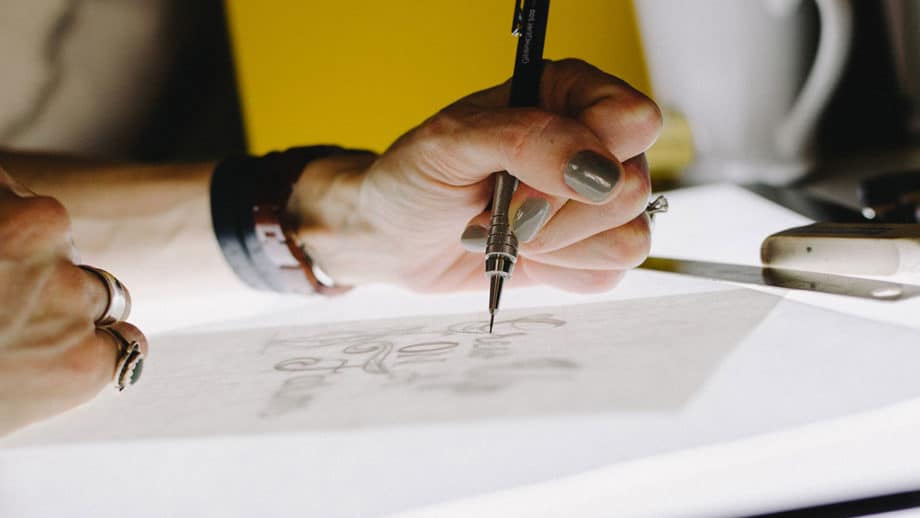
Graphic designers work across several specializations, each built for a different purpose and audience.
Branding and Visual Identity
Branding and visual identity are the core visual language that lets people recognize and remember any company. Graphic designers build this identity by developing logos, choosing typography, defining color palettes, and designing brand assets that work together across all platforms.
These pieces form brand guidelines, which keep every touchpoint, from the website to packaging, looking unified. Dropbox provides an example of how consistent visual branding can strengthen recognition and create a cohesive brand experience.
Work on visual identity goes way beyond a single logo. Designers build complete systems that govern how a logo appears across different backgrounds, how typography behaves in different contexts, and how color palettes remain consistent across digital and print materials.
A structured workflow makes brand projects run smoother. Here’s a four-phase process worth following:
- Research: stakeholder interviews and competitor audits.
- Concept development: exploring multiple logo directions and palette systems.
- Refinement: client feedback rounds and final typography choices.
- Delivery: brand guidelines and asset templates.
Following a workflow like this reduces revision cycles and keeps deliverables clear for designers and their clients. It also builds trust, since people feel confident working with a company that presents itself consistently across all channels.
Brand designers work inside agencies, hold in-house roles, or freelance, teaming up closely with marketing and product teams to keep visual identity aligned with business goals. Consistent branding helps audiences recognize an organization and understand its visual identity across different channels.
Understanding the skills that branding projects demand prepares designers for the practical side of graphic design work.
Marketing and Advertising Design
Marketing and advertising design applies a brand’s visual identity to campaign assets intended to communicate messages and encourage specific actions.
This branch of graphic design matters for brand communication in a crowded digital space because it translates marketing goals into visuals that work across channels. Designers create promotional pieces, such as email campaigns, social posts, and print ads, that promote products or services across digital and physical channels.
The two disciplines overlap, but they aim at different goals:
| Marketing Design | Advertising Design |
| Builds long-term audience engagement | Drives an immediate response |
| Uses consistent visual elements over time | Uses bold, impactful visuals for quick impact |
| Grows brand recognition | Triggers action like a click or a purchase |
Design consistency across these materials helps audiences recognize the brand at different touchpoints and can strengthen trust and recall.
Visual storytelling is particularly useful in digital marketing, where audiences often encounter large amounts of content in a short period. Designers lean on color theory, typography, and visual hierarchy to guide people through a campaign and toward a specific action, such as signing up or making a purchase.
Marketing and advertising design work together to build a smooth customer journey, from first glance to long-term loyalty, with every visual reinforcing the brand message. The promotional work has to balance looking good with working well, since every choice needs to support measurable marketing goals.
Publication Design
Marketing and advertising design attract attention with short, punchy messages. Publication design takes a slower approach, building cohesive visual experiences across many pages.
Publication design covers the layout and visuals of printed materials such as newspapers, magazines, and books. Designers craft these designs to balance readability and aesthetics, so readers can move through the content easily while still enjoying the presentation.
Typography, imagery, and layout work together to guide the eye through every page. National Geographic shows what excellent publication design looks like, pairing captivating photography with layouts that turn complex stories into visually compelling narratives.
The role here demands teamwork among designers, editors, and photographers to create one unified editorial experience. Designers need to understand design theory and how culture shapes both the visual approach and the presentation of content.
Layout choices decide how readers interact with information. Poor spacing or a weak visual hierarchy confuses the audience, while thoughtful composition makes everything easier to follow.
Typography, imagery, and strategic layout turn raw content into publications that engage, inform, and inspire readers.
Packaging Design
Packaging design carries the visual storytelling that publication design builds, but it focuses on three-dimensional structures customers touch and hold at the point of sale.
This discipline blends structural design, color theory, typography, and imagery to build containers that protect products while shaping purchasing decisions.
Dove shows this principle in action, with soft colors and readable fonts that communicate product benefits instantly. Packaging has to balance looks with function, keeping the structure sound while the visuals attract attention on a crowded shelf.
Heavy decoration or low text contrast can make packaging harder to understand and reduce the visibility of important information. For this reason, packaging designers often use clear visual hierarchy, sufficient contrast, and prioritization of important product information.
Effective packaging design asks designers to juggle multiple layers of strategy at once. Unique shapes, smart color choices, and strong typography work together to set the product apart from competitors and shape how people shop.
Sustainable packaging appeals to environmentally conscious shoppers, giving an edge in markets where sustainability counts. Designers can convey product benefits through words, images, or style choices that resonate with the target audience.
Material choices affect both the environment and how people perceive the brand, so choosing the right materials is critical to the process. Structural integrity protects the product during shipping, while visual identity builds recognition and communicates value to shoppers weighing their options.
User Interface (UI) and User Experience (UX) Design
User Interface design, commonly called UI design, focuses on the visual and interactive pieces we see on screen. UI designers build the buttons, menus, icons, and layouts we click through when using an app or website.
These elements need to look good, remain clear, and respond predictably to user actions. UI design is all about how things appear and respond to our actions, making digital products feel polished and professional.
User Experience design, or UX design, takes a wider view, focusing on building meaningful experiences across our entire interaction with a product. UX designers map user journeys, organize content logically, and test how well people can get things done.
| UI Design | UX Design |
| Focuses on visuals and interaction points | Focuses on the full user journey |
| Handles buttons, menus, icons, layout | Handles research, wireframes, usability testing |
| Makes a product look and feel polished | Helps make a product easier and more effective to use |
This field covers branding, usability, functionality, and overall interaction, so nothing gets in our way while we use a product. UX design prioritizes accessibility and inclusion, meaning designers adapt interfaces to work on different screens and for different needs.
The UX process remains iterative and centered on the user, continually refining in response to feedback and behavior. Information architecture organizes content, while interaction design shapes how we move through the product.
UX designers can evaluate their work using usability metrics, task completion, user feedback, and user satisfaction.
Essential Skills for Graphic Designers

Graphic designers need to master creativity, visual thinking, software skills, communication, and problem-solving to succeed. Here’s how each skill shapes the design career.
Creativity and Visual Thinking
Creativity is the foundation of graphic design work. The ability to generate original ideas and develop fresh solutions is what sets a designer apart from other designers in the field.
Visual thinking allows a designer to communicate complex messages through images, layouts, and color rather than words alone. This skill helps solve design problems by visualizing multiple approaches and choosing the one that works best for each project.
Building creative skills requires continuous exploration of new tools, techniques, and design approaches. Many designers start interested in art or digital media, then grow to understand how design communicates powerful messages to an audience.
A few habits build this muscle fast:
- Sketch multiple concepts before opening the design software.
- Study work outside the usual style or industry.
- Ask for feedback early, before a design feels finished.
A designer’s visual thinking sharpens as they practice turning abstract concepts into concrete visuals. A strong portfolio that showcases the creative range attracts clients and demonstrates to employers what the designer can do. Regular practice, paired with exposure to different projects, strengthens both the problem-solving and the ability to develop a style that sets a designer’s work apart.
Software Proficiency (e.g., Adobe Creative Cloud, Figma)
Design software provides the tools needed to turn visual concepts into finished designs. Software skills play an important role in modern graphic design, helping designers turn ideas into polished visual content that communicates effectively.
Proficiency with design tools helps designers work efficiently, collaborate effectively, and produce professional-quality work. Adobe Creative Cloud is widely used in professional graphic design and includes applications such as Photoshop, Illustrator, InDesign, and After Effects. The specific tools designers need depend on their specialization and the requirements of their workplace or clients.
| Tool | What It’s Best For |
| Photoshop | Photo editing and digital painting |
| Illustrator | Scalable vector graphics |
| InDesign | Complex layouts for print and digital publications |
| After Effects | Animation and motion graphics |
Learning these tools takes practice, but proficiency can expand the types of projects and roles a designer can pursue.
Figma represents a modern alternative worth mastering alongside traditional software. Figma is particularly useful for collaborative interface and digital product design projects.
Figma offers templates and collaborative features that support teamwork, especially for user interface design projects. Figma’s cloud-based setup means a designer can access their work from any device and share files with teammates in real time, cutting out email attachments and version mix-ups.
Experience with both Adobe Creative Cloud and Figma can be useful for designers working on a range of projects. Keeping up with new tools helps designers adapt as design technologies and practices evolve.
Communication and Collaboration
Clear communication is the foundation of success as a graphic designer. They need to communicate clearly with teachers, teams, clients, and stakeholders through every phase of a project.
The ability to explain design concepts, walk through creative choices, and actually listen to feedback shapes how well the work aligns with client goals and audience needs.
Strategic thinking helps bridge the gap between a visual solution and the client’s expectations, ensuring everyone understands the project direction from day one. Clear communication prevents mix-ups, reduces revision cycles, and builds trust with everyone a designer works with.
Strong communication on a design project usually looks like this:
- Explaining the “why” behind every major design choice.
- Asking clarifying questions before starting revisions.
- Sharing progress early instead of waiting for a big reveal.
Collaboration turns individual design work into solutions that actually meet client needs. Problem-solving often requires feedback and revisions from teammates and clients alike, making teamwork essential to a successful project.
Talking with stakeholders throughout the process makes sure the solutions address their real concerns. Soft skills, like creativity and communication, matter just as much as software skills, and designers can build both side by side. Designers who master client relations and stakeholder engagement consistently deliver work that satisfies business needs while keeping their creative integrity intact.
Problem-Solving Skills
Beyond teamwork, the ability to solve tough design challenges sets a designer apart in this field. Problem-solving is an important skill for designers at every career level.
Designers need to spot design problems, break them down, and build creative solutions that meet audience needs and project goals. This skill bridges technical expertise and strategic thinking, enabling them to tackle challenges that go far beyond aesthetics.
A simple process keeps this skill sharp:
- Define the actual problem before sketching any solution.
- Test more than one direction before committing.
- Use real feedback, not just gut instinct, to refine the work.
Modern design roles often require designers to apply problem-solving to business strategy and branding, not just visual execution. Combining problem-solving with analytical thinking and innovation can help designers develop more effective solutions.
Critical thinking helps designers judge design decisions, test ideas, and refine their approach based on feedback and data. A self-driven attitude and creativity fuel this process, letting a designer explore unconventional solutions when the standard playbook falls short. Design education commonly incorporates problem-solving because the skill is useful across areas such as marketing, packaging, UI design, and other design specializations.
Articles you may like
Career Opportunities in Graphic Design

Graphic design careers span several specializations that match different skills and interests. Career paths include art direction, animation, UX design, packaging design, and other specializations.
Art Director
An art director oversees the visual style and imagery across magazines, newspapers, product packaging, and film or television productions. They manage teams of designers and work closely with clients and creative directors to set the tone and direction of a project.
This role typically requires several years of experience in graphic design or a related field, as it demands strong leadership, communication, and organizational skills to succeed.
An art director’s responsibilities go well beyond individual designs. An art director typically handles:
- Building visual strategies that align with project goals and client vision.
- Guiding a design team to execute that vision consistently.
- Presenting concepts to stakeholders and making final calls on color, typography, and composition.
- Collaborating across departments to keep everything on brand.
Animator
While art directors oversee the big-picture creative direction, animators bring those designs to life through motion. An animator turns static graphic assets into dynamic sequences that capture attention and communicate clearly.
An animator works with animation techniques and digital illustration to create content for video, web, and social media. Motion graphics and character animation allow designers to communicate ideas through movement, timing, and visual storytelling.
Animators often work with other creative professionals in multimedia production, contributing motion and visual storytelling to videos, digital content, and campaigns. The day-to-day work typically covers:
- Motion graphics for social and marketing content.
- Character animation for storytelling.
- Visual effects and storyboarding for larger productions.
UX Designer
A UX designer shapes how people interact with digital products and services by focusing on user experience and interaction design. The role involves mapping user journeys, organizing content logically, and testing whether a design actually works.
A UX designer runs user research to understand what people need, then builds wireframes and prototypes that show how the product functions. Usability testing shows whether the designs solve real problems, allowing designers to refine them based on actual user feedback.
A typical UX workflow includes:
- User research and interviews.
- Wireframing and prototyping.
- Usability testing and iteration.
Accessibility and inclusion sit at the core of UX work. A UX designer ensures that designs adapt to different screens, devices, and users, so people with diverse needs and abilities can use the product. The collaboration stretches across teams: developers, product managers, and visual designers all play a part in bringing ideas to life. Information architecture skills help organize complex data into clear, understandable structures.
Packaging Designer
A packaging designer creates packaging that balances visual appeal, functionality, and product protection while communicating value to the target audience. The role blends graphic arts, structural design, and creative strategy to build packaging that succeeds both aesthetically and practically.
A packaging designer studies the product, target market, and brand identity to develop concepts that communicate value and encourage purchase.
Day-to-day, this role usually covers:
- Researching product, market, and brand fit.
- Balancing structural integrity with shelf appeal.
- Choosing sustainable, recyclable materials.
The responsibilities extend beyond visual appeal to encompass materials science and sustainability. They need to maintain structural integrity strong enough to protect the contents during shipping and storage, while using recyclable, biodegradable materials that reduce environmental impact.
Key Takeaways
- Graphic design is primarily about communicating ideas visually, not simply making things look attractive. Effective designs combine creativity with clear goals and deliberate visual choices.
- Typography, color, layout, composition, and imagery are fundamental building blocks of graphic design. Understanding how these elements work together helps create visuals that are clear, readable, and engaging.
- Good design requires strategic thinking and problem-solving. Every visual decision should support the intended message and help the audience understand what matters.
- Graphic design applies to many areas, including branding, marketing, advertising, publications, packaging, and digital products. Each area uses visual communication to address different audience and business needs.
- UI design focuses on the visual and interactive parts of digital products, while UX design considers the broader experience and how easily people can accomplish their goals.
- Creativity is important, but technical ability, communication, collaboration, and problem-solving are equally valuable. Designers need to turn ideas into practical solutions while responding to feedback and project requirements.
- Learning design software such as Adobe Creative Cloud and Figma helps designers create, refine, and collaborate on professional projects. Keeping design skills and tool knowledge current is important as the field evolves.
- Graphic design offers diverse career paths, including art direction, animation, UX design, and packaging design. Building practical skills and a strong portfolio can help prepare for opportunities across these areas.
Conclusion
Graphic design shapes how people see and interact with information across many platforms, from websites to product packaging. An understanding of visual communication, creativity, and design principles can help designers create effective work in a field that rewards both artistic talent and strategic thinking.
Skills in typography, color theory, layout, and digital graphics help designers shape how audiences experience brands and content.
Whether designers go the formal education route or build a strong portfolio through practice, graphic design offers a range of career opportunities and possibilities for professional growth.
For beginners, the best way to understand graphic design is to study its fundamental elements and principles, explore how they are applied in different fields, and practice creating designs for real communication goals.