United States and Allies Forge E-Commerce Duty Agreement
The United States, in conjunction with eighteen other nations, including South Korea, Singapore, Australia, and Japan, has recently established an agreement designed to forgo imposing duties on e-commerce.
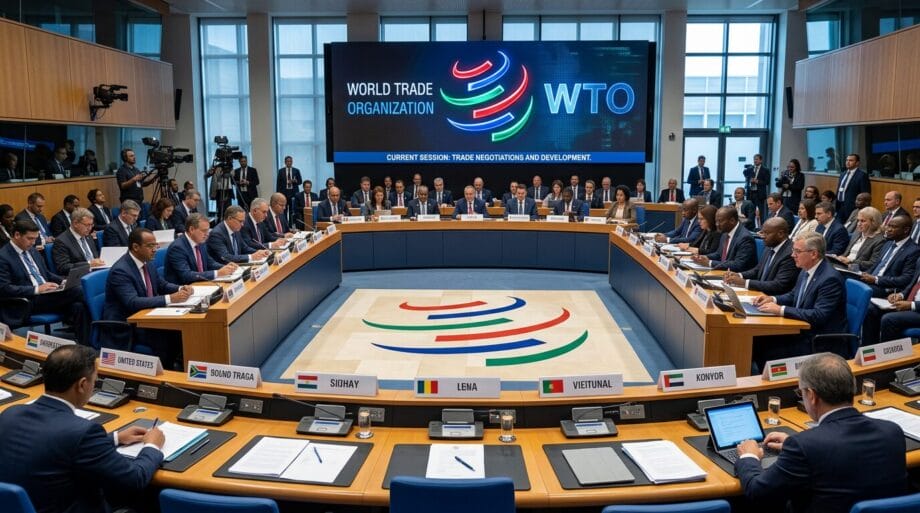
This development comes in the wake of failed negotiations at the World Trade Organization (WTO), which were undermined by Brazil’s opposition.
Effective from May 8, 2026, the sponsoring countries will maintain a commitment to not levy customs duties on electronic transmissions amongst themselves.
At the high-profile WTO meeting, known as MC14, held in Yaoundé, Cameroon, earlier this March, efforts to renew the longstanding moratorium on duties applicable to cross-border streaming and downloads were unsuccessful.
This moratorium, originally ratified in 1998 and regularly extended since, prohibits duties on international electronic transmissions such as streaming music, films, and downloading software.
During MC14, Turkiye made an announcement indicating its intention to join the increasing consensus advocating for an extension of the e-commerce moratorium.
Additionally, over sixty members at the meeting declared their commitment to paving the way for this agreement through interim arrangements, while also striving for its integration into the WTO’s legal framework.
The International Chamber of Commerce (ICC) expressed favorable sentiments regarding the commitment made by the nineteen countries to refrain from imposing e-commerce duties.
“The initiative undertaken by the nineteen signatories is of paramount importance. They have grasped a fundamental economic truth: digital commerce should remain unburdened by customs duties and unnecessary border impediments,” stated ICC Secretary General John W.H. Denton AO.
However, Denton cautioned that this action should not be misconstrued as a replacement for a comprehensive WTO-wide agreement.
He emphasized that the failure to prolong the e-commerce moratorium at MC14 signifies a troubling fissure in the WTO framework, particularly at a time when the global economy grapples with exceptional policy uncertainties.
His statement concluded with an appeal for other nations to swiftly align with this initiative, advocating for it to serve as a bridge toward a full reinstatement of the moratorium for a commercially viable duration.
Source link: Fibre2fashion.com.