Apple’s Upcoming iPhone Launches Reveal Staggered Release Strategy
Recent communications from prominent suppliers and consistent industry analysis indicate that Apple plans to bifurcate the release of its upcoming iPhone generation.
The premium models are set to debut this fall, whereas the standard iPhone 18 has been postponed until early 2027.
During Pegatron’s second-quarter earnings call held in 2026, the Taiwanese contract manufacturer confirmed that the iPhone 18 Pro and Pro Max are poised for their customary September unveiling.
In contrast, the entry-level iPhone 18 is now slated for release in the first quarter of 2027. Additionally, the more economically priced iPhone 18e and a next-generation iPhone Air are anticipated to launch in this later timeframe.
This timeline corroborates prior assertions from the supply chain. Analyst Ming-Chi Kuo, alongside various outlets including The Information, has previously outlined a strategic initiative wherein Apple aims to spotlight its high-end devices during the fall of 2026.
A chairman of Largan Precision, a significant supplier of camera lenses for iPhones, remarked that a key U.S. customer had deferred a new product launch to the first quarter of 2027, a statement widely interpreted as pertaining to Apple’s standard models.
The autumn of 2026 is expected to showcase the iPhone 18 Pro, iPhone 18 Pro Max, and Apple’s inaugural foray into foldable smartphones, commonly referenced in discussions as the iPhone Ultra.
This approach signifies a marked shift from Apple’s historical practice of releasing standard and Pro models concurrently every September.
Supply constraints emerge as a fundamental consideration in this decision-making process. Reports suggest persistent shortages of memory chips and other essential components, compounded by bottlenecks within semiconductor manufacturing.
Executives at Pegatron highlighted that customers have begun to modify shipment schedules in response to these prevailing limitations.
The company opts to prioritize higher-margin Pro models to sustain the established September launch timeline for Apple’s most lucrative smartphones, while the comprehensive lineup experiences staggered releases.
This planned transition will result in an extensive market presence for the current iPhone 17 series, which includes both the standard and earlier Air variants.
Consumers seeking a more budget-friendly iPhone will find themselves faced with options: to purchase a Pro model this fall, retain their existing devices, or bide their time until spring 2027.
Carriers, which typically center their fourth-quarter promotional efforts around a completely new iPhone lineup, may need to recalibrate their marketing strategies and inventory management.
Apple has yet to publicly affirm the amended release schedule. Historically, the company reveals its annual iPhone generation in early to mid-September, with sales commencing shortly thereafter.
A dual-release strategy would distinctly categorize premium and mainstream offerings, potentially allowing for a concentrated allocation of production capacity and marketing resources toward higher-priced models during the pivotal holiday season.
The anticipated foldable model signifies a long-awaited expansion of Apple’s product repertoire. Observers within the industry have monitored the development of a folding iPhone for several years, with recent analyses suggesting readiness for production by 2026.
Aligning this model with the Pro series in the fall would furnish Apple with three distinctive high-end offerings, while standard and entry-level models debut subsequently.
The challenges of component allocation are not unique to Apple. A broader industry tightening in advanced memory and packaging capacities has impacted several smartphone manufacturers.
In such a landscape, strategically directing limited supplies toward higher-priced models represents a sensible approach to safeguarding immediate revenue, albeit at the cost of prolonging the wait for more economical devices.
For consumers, this signifies an extended wait for the standard iPhone 18. Individuals who upgrade annually or depend on carrier financing may find the Pro models increasingly appealing this year, or they may opt to prolong the utility of their existing handsets.
The early 2027 timeframe could potentially create a second sales period, thereby smoothing Apple’s revenue trajectory beyond the customary fourth-quarter spike.
This reported strategy embodies a gradual transformation in Apple’s product rollout pattern. The company has previously introduced models mid-cycle or early in the year, such as the iPhone SE and the latest “e” variants.
Institutionalizing this approach into a formal separation between Pro and non-Pro generations would represent a substantial alteration to the annual calendar.
As September draws near, scrutiny will intensify regarding Apple’s potential confirmation of this dual-release timeline during its forthcoming fall event.
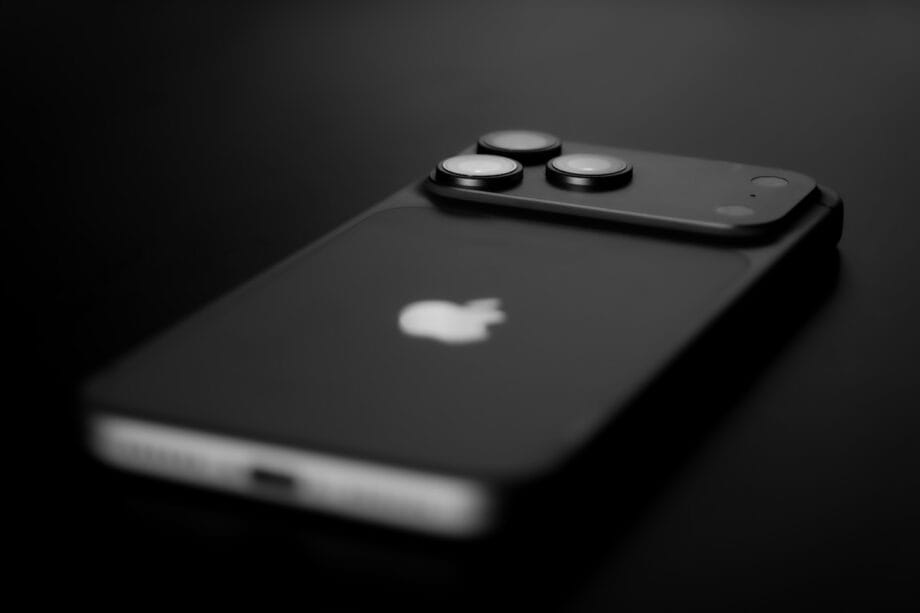
Until then, the insights from Pegatron’s earnings discussion, combined with earlier supply-chain indications, delineate the most coherent picture to date of a staggered launch for the iPhone 18, where premium devices arrive punctually and the more accessible models are assigned to the following year.
Source link: Ibtimes.com.au.