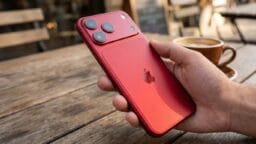
The Comprehensive Exploration of the iPhone
In 2007, the inaugural iPhone made its debut, ushering in a paradigm shift. Prior to this innovation, mobile devices were characterized by diminutive keyboards and basic displays. Texting required the clunky T9 input, while users often unfurled smartphones merely for voice calls.
The iPhone, with its expansive touchscreen and user-friendly applications, metamorphosed these devices into indispensable instruments for productivity, leisure, and everyday life.
This guide chronicles the iPhone’s odyssey from conception to the present day. An examination of hardware enhancements, software capabilities, and its seamless integration with other Apple products reveals the reasons behind its leading position in the smartphone arena. Expect a plethora of insights, empirical data, and real-world examples that elucidate its significance.
The Inception and Development of iPhone Hardware
The hardware underpins the iPhone’s identity. Through the years, Apple has continually defied the limits of design, processing speed, and camera technology. These advancements not only captivate users but also refresh the device’s appeal.
From Multi-Touch to Dynamic Island: A Design Chronicle
The original iPhone showcased a simple glass front coupled with an aluminum chassis. Its lightweight structure made it easily portable. The 3G variant boasted enhanced speed while retaining the iconic boxy silhouette.
With the iPhone 4, sharp edges and glass on both sides emerged, accompanied by antenna issues; nevertheless, this design captured the hearts of aficionados. The iPhone 5 introduced larger screens and more robust, lighter metal frames.
The iPhone 6 further expanded in size to better accommodate media consumption. Subsequently, the iPhone X abandoned the home button in favor of Face ID and a distinctive notch. Presently, the Dynamic Island feature on the iPhone 14 Pro elegantly hides notifications within the display cutout.
To distinguish vintage models, examine the button configurations. Early versions featured physical home buttons, while contemporary models rely on gestures. This knowledge proves invaluable when procuring secondhand devices.
The A-Series Chip: Catalyzing Performance Milestones
Initially relying on off-the-shelf semiconductors, Apple introduced the A4 chip in the iPhone 4S, which adeptly handled applications for its era. Each new iteration has introduced additional cores and increased speed.
Notably, the A11 Bionic chip in the iPhone X excelled in gaming performance, outshining competitors in testing scenarios. The current A17 Pro chip found in the iPhone 15 surpasses Snapdragon processors by 20% in single-core benchmarks.
These chips also contribute to battery efficiency, facilitating demanding tasks such as video editing without generating excessive heat. Apple has adeptly aligned its hardware and software for optimal performance.
According to benchmarks from Geekbench, iPhones consistently dominate performance charts. Users enjoy an extended period of rapid operation before experiencing any sluggishness.
Camera Systems: The Revolution in Pocket Photography
Initial iPhones were equipped with a solitary lens for straightforward photography. The iPhone 4S enhanced this with a flash and HD video capabilities, while sensor advancements significantly boosted image quality.
The iPhone 11 introduced ultra-wide lenses, perfect for sprawling landscapes, while the Pro models featured telephoto capabilities that zoom without degradation. LiDAR technology in later models improved low-light photography and augmented reality experiences.
The software complements the hardware brilliantly. Portrait Mode achieves DSLR-like background blurring, while Cinematic Mode effortlessly transitions focus during filming. The Night mode captures intricate details in dim lighting conditions.
Professionals frequently utilize iPhones for rapid video production. The iPhone 13 set a new benchmark for YouTube video standards, with advanced stabilization ensuring fluid motion capture. Today, the iPhone rivals professional video equipment.
iOS: The Operating System Crafting the Ecosystem
iOS governs the iPhone experience, striking a balance between user-friendliness and sophisticated functionalities. Regular updates ensure that older devices remain secure and efficient.
Core UX Principles: A Harmonious Blend of Simplicity and Functionality
iOS is characterized by sleek icons and intuitive gestures. A single tap opens applications, leaving no room for clutter on the screen.
Animated transitions guide user interactions smoothly. A downward swipe reveals search functions; an upward gesture closes applications. The interface feels instinctive, particularly in contrast to more chaotic Android menus.
Home screen widgets present information at a glance, allowing for personalized setups without congestion. This streamlined arrangement saves precious time daily.
Security and Privacy: Apple’s Dedication
Face ID evaluates facial features in mere seconds, while Touch ID utilizes fingerprints for quick access. Both methods offer superior speed and security compared to traditional passcodes.
App Tracking Transparency provides users with control over tracking permissions, enabling them to refuse with a simple tap. iMessage fortifies communications with end-to-end encryption.
Apple executives maintain a firm stance against data sales, consistently highlighting rigorous privacy measures. Users retain authority over their information sharing.
The App Store: A Paragon of Curation and Commercialization
Launched in 2008, the App Store began with a sparse selection of applications. Today, it boasts over 1.8 million available for download, with user reviews ensuring quality control.
Developers accrue billions annually, as stringent guidelines preclude subpar coding practices. Users can swiftly locate reliable applications.
It is advisable to scrutinize app permissions before installation and peruse reviews for potential issues, thereby mitigating privacy risks.
The Apple Ecosystem: Cohesive Integration and Symbiosis
The iPhone seamlessly interacts with various devices, including Macs and iPads. This interconnectedness simplifies daily tasks, facilitating uninterrupted workflows.
Continuity Features: Handoff, Universal Clipboard, and AirDrop
Begin composing an email on your iPhone and complete it on your Mac using Handoff, ensuring a fluid transition.
Utilize the Universal Clipboard to copy text from an iPad and paste it seamlessly onto an iPhone, eliminating redundant typing.
With AirDrop, files transfer effortlessly to nearby devices, allowing for quick sharing of images. The setup process is streamlined through settings.
A writer may start drafting on a phone and refine work on a laptop, enhancing overall productivity.
The Apple Watch and AirPods: Enhancing Peripheral Integration
The Apple Watch synchronizes with the iPhone, delivering heart rate data and call notifications. This integration fosters a holistic health tracking experience.
AirPods connect without delay, and Spatial Audio envelops the listener in a captivating soundscape. The battery status is conveniently displayed on the iPhone screen.
The HomePod allows for seamless music management, with all devices communicating via Bluetooth for effortless control over health and media.
Service Integration: iCloud, Apple Pay, and Subscriptions
iCloud ensures that your photos and files are accessible across devices, with constant backups to preserve data.
Apple Pay enables rapid transactions, eliminating the necessity for physical cards. Security measures safeguard your sensitive information.
Subscriptions such as Apple Music renew automatically, managed easily through system settings, maintaining seamless service continuity.
Market Position and Competitive Landscape
iPhones consistently achieve superior sales figures, justifying their premium pricing through longevity. While Android devices present formidable competition, Apple retains its distinctiveness.
Premium Pricing Strategy and Perceived Value
Base model iPhones commence at $799, often delivering three years or more of upgrades. Trade-in programs further enhance value retention.
Although Android flagship models are similarly priced, they tend to depreciate rapidly. The iPhone 12 continues to perform well in the resale market as of 2025.
Users typically hold onto their iPhones for an average of four years, a duration exceeding that of most competitors. This value stems from meticulous craftsmanship and ongoing support.
Global Market Share Dynamics
Apple has captured 20% of the global smartphone market share, achieving a remarkable 50% in the U.S. The company’s revenue surges to an impressive $200 billion annually.
China’s market fluctuates, yet premium sales are on an upward trajectory. In Europe, iPhones are favored for their stature and elegance.
Addressing the Competition: Feature Parity vs. Differentiation
While Samsung has ventured into foldable designs, iPhones maintain their classic slab form. Samsung may excel in zoom capabilities, but iPhone video quality remains a favorite among professional users.
Apple leads the pack in chip performance and application refinement. iOS systems experience fewer crashes, with battery life comfortably spanning a full day.
Your choice ultimately depends on individual requirements; opt for an iPhone if you prioritize dependable power.
The Lasting Legacy and Future Horizons
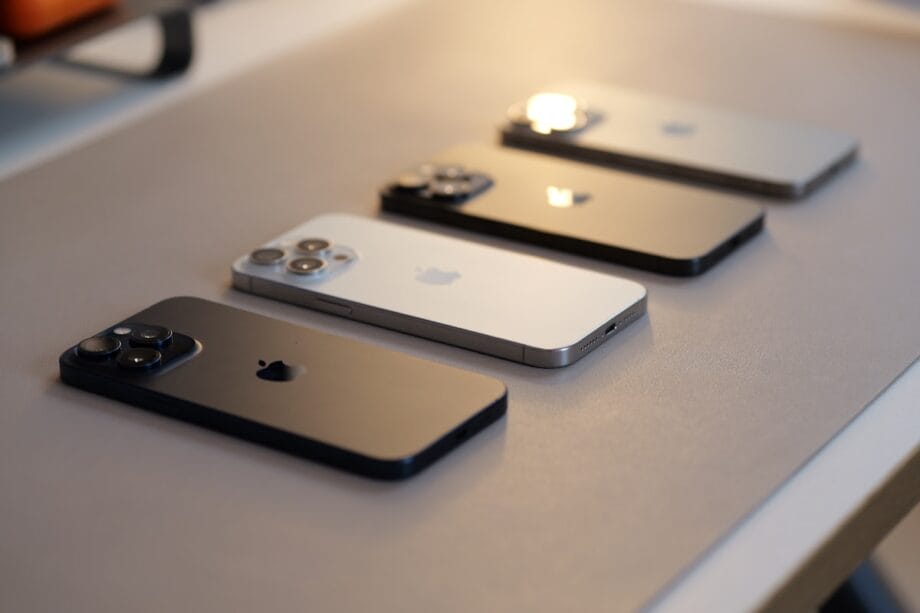
The iPhone set a benchmark for touchscreen technology back in 2007, establishing a secure application ecosystem and intertwining devices. Privacy continues to be a focal point.
Anticipate future innovations like AR glasses linked to smartphones and advanced health sensors capable of monitoring various metrics, including blood glucose levels. Artificial Intelligence is poised to revolutionize photo editing as well.
Core features endure: powerful hardware, intuitive software, and an integrated ecosystem. The iPhone profoundly influences interpersonal connections.
If your current model lags, consider an upgrade. Visit Apple’s website for available offers and stay informed about forthcoming advancements.
Source link: Vocal.media.