The Truth About Sitemaps: Misconceptions, Misuse, and Immediate Changes Required
Sitemaps are often mishandled, leading to the misallocation of crawl budgets, bewildered search engines, and diminished traffic. The seemingly trivial XML file residing at a site’s root holds greater significance for discoverability than many in the SEO realm may concede.
Exposing the Fallacy of Automatic Indexing
Let’s be candid: simply submitting a sitemap does not equate to assured indexing. It never has. The prevalent notion that “submit a sitemap, and Google will index everything” is mere marketing rhetoric, devoid of technological assurance.
Who Is Affected and the Issues at Hand
Site proprietors, content teams, and technical SEO specialists suffer from diminished visibility when sitemaps harbor inaccuracies. Erroneous priority indicators, obsolete URLs, and obstructed pages transmit distorted signals to crawlers.
The Importance of Crawl Budget and Search Visibility
Crawlers possess finite resources allocated across various domains. Erroneous sitemaps compel bots to reassess irrelevant URLs, thereby postponing the indexing of priority pages. This lag results in lost organic traffic and delayed content dissemination.
The Illusion of Sitemap Management
Many teams treat sitemaps as mere formalities or bureaucratic checklists. In actuality, sitemaps serve as a vital communication conduit with search engines. Neglecting structure and metadata could be detrimental.
Structure of This Article
This article series will highlight common errors in sitemaps, offer actionable inspections, and propose remedies that conserve crawl budgets while enhancing indexing efficacy. Prepare for practical advice rather than abstract conjecture.
Hard Facts and Unpalatable Statistics
It may not be palatable to acknowledge, yet the data is clear. Independent crawls indicate that sites burdened with bloated sitemaps—over 50,000 URLs or numerous low-value pages—experience a 30–50% delay in discovering priority content compared to those with streamlined sitemaps.
Internal crawl reports from medium-sized publishers revealed that up to 40% of sitemap entries were pages flagged as noindex, redirects, or canonical targets.
Such pages constitute noise. Search engines first expend crawl budgets on these, thus deferring the indexing of critical content. The tangible outcome is slower indexing and, in numerous cases, decreased organic visibility for essential pages.
Why Common Advice is Deficient
The absurdity persists; agencies frequently regard sitemaps as checklist items. Entire CMS URL lists are exported without thoughtful curation. Paginated, filtered, and session URL parameters are indiscriminately included. No pruning. No strategy.
The repercussions of this are predictably negative. Crawl budgets are squandered on URLs of little value. Search engines constantly seek and re-seek this noise, while valuable content languishes in waiting. This failure is procedural, not technical; rectification demands policy amendments rather than new instruments.
Pragmatic Steps for Success
Let’s be honest: overloaded sitemaps dilute crawler focus and obscure high-value pages. Conduct monthly audits of your sitemap and regard it as a traffic management instrument, not a collection point.
Begin audits by excising noindex pages, redirects, and parameterized duplicates, ensuring only indexable URLs remain. Monitor indexing rates by category to identify what search engines emphasize.
Segment sitemaps by content type—news, products, blog—enhancing monitoring specificity and enabling targeted corrective action. Maintain an unambiguous and measurable purpose for each sitemap.
Favor precise lastmod timestamps over approximations. Automated timestamps are acceptable only when they reflect substantive content alterations. Erroneous dates teach crawlers to disregard updates.
Overlooked Technical Tips
Utilize a sitemap index to limit individual sitemaps to fewer than 50,000 URLs and compress them for bandwidth conservation. Vast, unwieldy sitemaps obscure signals and retard diagnostics.
Correctly declare the hreflang attribute for international sites. Misidentified language links within sitemaps generate indexing confusion and deplete crawl budgets for multilingual content.
Enhance sitemaps with rigorous internal linking practices. While sitemaps direct crawlers, robust internal links disseminate authority. An absence of either component results in incomplete discovery.
The absurdity lingers; many teams relegate sitemaps to a mere “set-and-forget” undertaking. Ongoing pruning, clear categorization, and timestamp accuracy yield discernible indexing improvements.
Case Study Insight
One publisher reduced their sitemap by 22%, primarily eliminating archive and parameterized pages.
In just four weeks, this publisher noticed a 15% increase in crawl frequency for critical content. Enhanced signals, not mere fortune, prompted this uptick.
Final Truth Bomb
Let’s clarify: Many site owners delegate sitemap upkeep and subsequently express shock when indexing stagnates. A sitemap encapsulates strategy; if that strategy is flawed, search engines will prioritize irrelevant content over valuable assets.
What are intended to be comprehensive sitemaps frequently devolve into traffic sinks, squandering crawl budgets and diluting ranking signals directed at high-value pages.
A Strategic Approach to Sitemaps
Audit the sitemap in alignment with business objectives. Eliminate URLs of minimal value and distinctly mark canonical targets. Such actions are operational necessities, not discretionary gestures.
It may not be popular to assert, yet complacency erodes visibility. Publishers who actively oversee sitemaps experience expedited diagnostic cycles and clearer indexing outcomes.
Looking Ahead
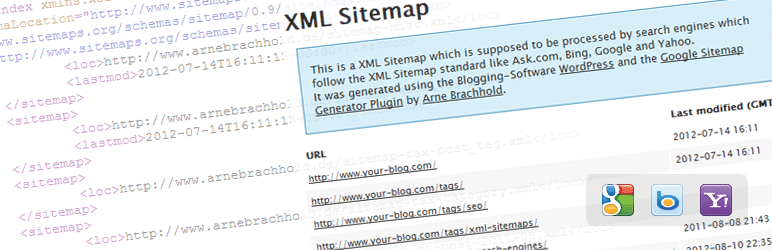
Implement targeted pruning and observe indexing metrics. Anticipate observable improvements in crawl allocation and indexing for prioritized pages within weeks.
Operationally, diminished sitemap noise results in fewer erroneous indicators in crawl reports and expedited corrective measures for malfunctioning or inaccurately declared content.
Let’s clarify: Reducing sitemap noise expedites diagnoses and rectifications. Streamlined sitemaps minimize crawl anomalies and accelerate prioritization for malfunctioning or misidentified content.
The final truth remains: excessive sitemaps obscure value. Prune archive and parameterized URLs, retain canonical entries, and ensure accuracy in lastmod timestamps to refine indexing signals.
Practical measures include conducting monthly sitemap audits, eliminating low-value URLs, and validating sitemap XML to ensure adherence to search engine standards. These actions mitigate false positives in crawl reports while enhancing the swiftness of corrective cycles.
Note: Concentrate on measurable outcomes. Track variations in coverage reports and crawl frequency subsequent to each sitemap adjustment to validate improvements.
Source link: Newshub.co.uk.