Controversy Surrounds Marketing of ‘Sunshine Women’s Choir’ in China
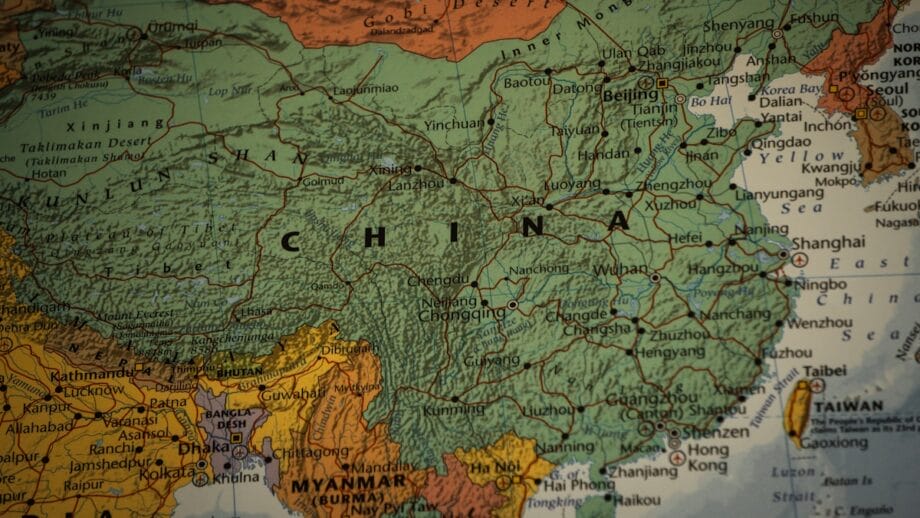
TAIPEI (TVBS News) — A substantial uproar has emerged regarding the promotion of the Taiwanese film “Sunshine Women’s Choir” (陽光女子合唱團) in China, where promotional content has designated it as the “Chinese Taiwan region” box office leader.
This phrasing has incited rebuke among legislators. The film, which boasts earnings exceeding NT$740 million (approximately US$23.1 million) and ranks within Taiwan’s top ten highest-grossing films, is poised for its release in China on Saturday, April 4.
DPP Legislator Ngalim Tiunn (張雅琳) voiced her disapproval on Sunday, March 29, questioning the film’s acceptance of Taiwanese subsidies while seemingly conforming to China’s cultural unification agenda.
Tiunn highlighted that “Sunshine Women’s Choir” benefited from over NT$18 million (roughly US$563,000) in subsidies from Taiwan’s Ministry of Culture, as well as funds from Taipei City and Taoyuan City, all financed by Taiwanese taxpayers.
She implored the Ministry of Culture to reassess its subsidy policies and implement clearer regulations regarding political terminology in international marketing.
The Ministry of Culture has sought clarification from the film’s production team and intends to assemble industry representatives for discussions on a response strategy, according to official statements.
The distributor of the film has refrained from commenting on the unfolding controversy. Notably, “Sunshine Women’s Choir” has performed admirably in various international markets, including the United States, Canada, Hong Kong, Australia, New Zealand, and Malaysia, based on box office statistics.
The situation intensified when audiences identified discrepancies between the Chinese and Taiwanese iterations of the film. In the Chinese version, alterations were made to the connection between two foster mothers, reportedly changing their depiction from “same-sex partners” to “sisters” through dubbing.
A user on a Chinese internet platform noted this modification, suggesting it was implemented to circumvent censorship, while numerous fans viewed it as a necessary adaptation for the film’s release in China.
The Ministry of Culture underscored that Taiwan’s free and democratic milieu is conducive to diverse storytelling, positing that bolstering the cultural industry is vital for sustaining cultural independence and interpretative authority.
At this juncture, it remains uncertain whether the ministry will pursue any actions against the production team or amend the marketing terminology.
Source link: News.tvbs.com.tw.