The Evolving Role of Wearable Health Technology
In an era where technology intertwines with health management, modern wearable devices have emerged as sophisticated tools, measuring a plethora of health metrics.
From tracking daily steps and caloric expenditure to assessing heart rates, sleep quality, stress levels, oxygen saturation (SpO2), and overall activity, these gadgets assist individuals in understanding their physical selves.
Notably, some smartwatches now offer capabilities to monitor heart rhythms and ECG patterns. This plethora of health data empowers users to discern bodily changes and motivates them to enhance their well-being.
For many, deviations from normal physiological patterns may serve as critical indicators prompting early medical intervention.
Evaluating the Efficacy of Fitness Trackers
Yet, the pivotal question arises: How reliable are these devices for imparting significant insights into cardiovascular health? Experts delineate the informative capacities of fitness trackers, elucidate their limitations, and underscore the irreplaceable need for professional medical evaluations.
The Health Advantages of Fitness Trackers
Dr. Sharwari Sudhir Dabhade, an esteemed Consultant in Internal Medicine, Diabetology & Endocrinology at Madhukar Rainbow Children’s Hospital, emphasizes that fitness trackers transcend mere data collection on physical exertion.
Beyond Basic Tracking
“These gadgets possess functionalities that surpass a conventional scale,” she asserts. “Advanced fitness trackers collate comprehensive data concerning physical activity, sleep patterns, resting heart rates, stress levels, oxygen saturation, and recovery dynamics—filling the void often left by traditional healthcare practices.”
Fostering Positive Lifestyle Changes
Fitness trackers serve as catalysts for cultivating healthier habits, inclined to instigate constructive transformations in societal behaviors.
They alert users to aspects necessitating a reevaluation of their lifestyles, encouraging the adoption of beneficial routines while dismantling detrimental ones.
“Monitoring alterations in users’ health is crucial, as it fosters awareness of one’s well-being,” Dr. Dabhade further explains.
Facilitating Early Medical Evaluation
Wearable technology can identify significant health trajectories over time, thereby facilitating timely medical consultations.
An elevation in resting heart rate, declining fitness level, or reduced activity without discernible causes may herald various health issues, including infections, anemia, thyroid dysfunctions, dehydration, or even rampant diabetes and cardiovascular ailments.
Usage as a Preliminary Warning System
“Although wearables cannot render a definitive diagnosis, when utilized judiciously, they provide a valuable preliminary warning system that necessitates further scrutiny,” asserts Dr. Dabhade.
Understanding the Limitations
Regardless of the substantial insights they offer, fitness-tracking devices are not without their constraints.
A significant drawback is their inability to distinguish between normal physiological variations and severe health anomalies, remarks Dr. Anshul Kumar Jain, the Director of Cardiology at CK Birla Hospital.
Contextualizing Wearable Data
Dr. Jain insists that wearables’ data should always be interpreted in the context of discerning symptoms, an individual’s medical background, and, when warranted, clinical assessments and tests.
Advancements in Cardiovascular Monitoring
The integration of wearable technology within cardiac applications is continually expanding. With the rapid evolution in health and fitness technology, exercise trackers have transformed into advanced blood circulation monitoring devices, assisting consumers in heart health management.
Comprehensive Monitoring Capabilities
“Current wearables can perpetually gauge heart rates, enable the evaluation of heart rate variability (HRV), estimate cardiorespiratory fitness, identify arrhythmias, and even record ECGs.
These features facilitate the detection of subtle changes in health that might go unrecognized without such technology,” Dr. Jain elaborates.
Continuous Monitoring versus Isolated Readings
The quintessence of wearable technology lies in its ability to monitor fluctuations rather than merely providing isolated readings.
Should a consistently elevated resting heart rate be observed, seeking a medical evaluation becomes imperative. Remarkably, wearables have already lent themselves to diagnosing conditions like atrial fibrillation.
A Tool for Risk Assessment, Not a Substitute
While wearables can categorize individuals into high- or low-risk groups for specific syndromes, they remain insufficient as substitutes for comprehensive medical assessments.
Screening Tools with Caution
“Despite the advantages associated with fitness activity trackers, it is vital to regard them as screening and monitoring instruments rather than diagnostic tools.
Users may encounter false alarms due to variances in skin contact, excessive perspiration, body hair, vigorous motion, or a poorly positioned device,” experts caution.
Managing Technological Anxiety
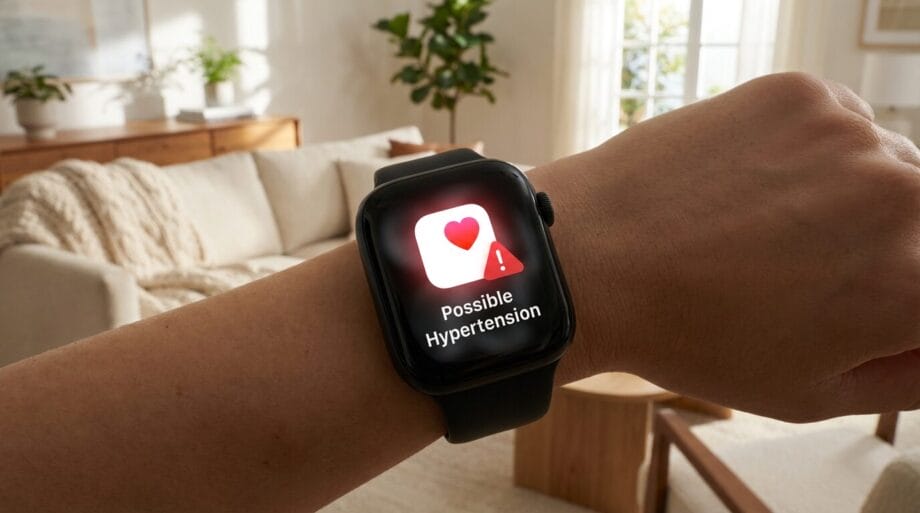
This may inadvertently induce unnecessary anxiety or, more detrimentally, foster an obsession with the data presented by wearables.
Hence, counseling becomes essential to elucidate the technological limitations and alleviate concerns arising from erroneous alerts or device failures.
Clinical Evaluation Remains Essential
Importantly, wearables cannot supplant traditional clinical assessments or investigative procedures, such as 12-lead ECGs, echocardiography, stress tests, or blood investigations.
The author, Nivedita, is a freelance writer specializing in health and travel narratives.
Source link: Livemint.com.


