When Technology Meets the Filipino Body: A Reflection on Self-Tracking
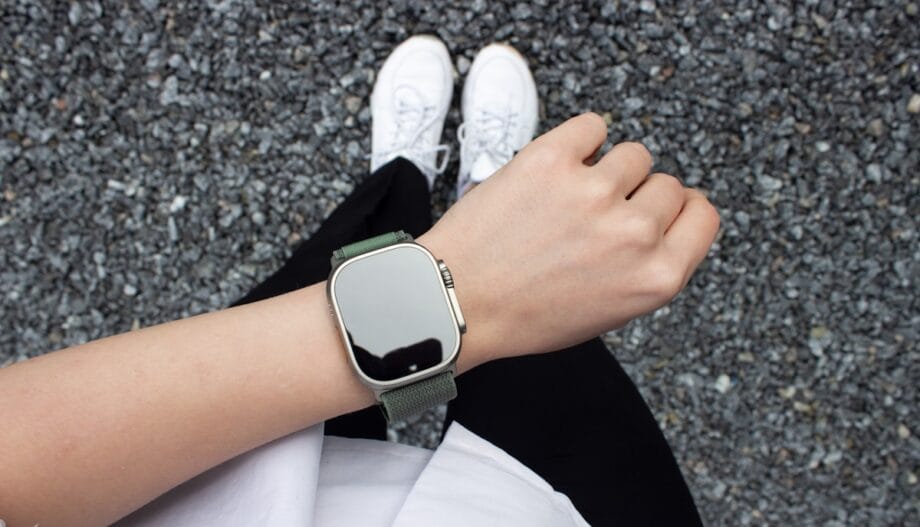
A friend humorously remarked that her smartwatch now comprehends her emotional states better than she does. It prompts her to stand, celebrates her achievement of daily step objectives, and even nudges her to breathe — as though the body requires reminders for innate functions.
Throughout the Philippines, an increasing number of individuals don devices that surreptitiously monitor their well-being: smartwatches, fitness rings, calorie-tracking applications, and meditation alerts.
These innovations purport to enhance health and self-awareness; however, they simultaneously cultivate an incessant introspective gaze — not for meaningful reflection but for quantification. We scrutinize sleep metrics, stress indicators, and daily activity as if wellness were merely a statistic to be audited.
Where ‘pakiramdam’ (feeling) once sufficed, we now consult our mobile applications.
This inclination for self-monitoring may seem novel, yet it resonates with longstanding traditions. The Filipino corporeal experience has not spontaneously transformed into a subject of surveillance; it has long been scrutinized, shaped, and disciplined.
From Colonial Discipline to Contemporary Notifications
Spanish missionaries accentuated the virtues of bodily modesty, discipline, and restraint, connecting bodily control to moral integrity and religious order. The colonial church sought to influence belief and physical comportment through meticulous instruction regarding posture, gestures, and behavior.
With the advent of American governance, this intricate oversight of the body was redefined through the lens of science and modernity. Public education introduced calisthenics, structured sports, and hygiene initiatives, operating under the belief that robust, orderly bodies would yield disciplined, productive citizens.
Children endured inspections, weight checks, and measurements, as physical education, public health campaigns, and medical assessments transcended mere illness prevention; they sought to mold populations. The weighing scale and health chart evolved into instruments of governance.
To be gauged was to be appraised. To be appraised was to be managed. Although today’s wearable devices may appear distanced from colonial gymnasiums, the foundational ethos remains eerily similar: the ideal body is efficient, productive, and in a perpetual state of improvement. The command has shifted from a teacher with a whistle to a subtle vibration on the wrist.
The colonial scrutiny persists; indeed, it has been largely internalized.
The Indispensable Nature of Survival
These gadgets have found their way into a nation already strained. Filipinos rank among the globe’s most engaged internet users while simultaneously bearing the weight of overwork. We traverse extensive distances, balance multiple occupations, and navigate economic uncertainty while tending to familial responsibilities.
Our movements are born of necessity rather than leisure — walking due to unreliable transport, lugging groceries up footbridges, enduring interminable queues, and climbing stairs in buildings lacking functioning elevators.
Conversely, wearable technology envisions an alternate reality — one characterized by flexible time, accessible rest, and voluntary movement.
It presupposes that we can perpetually “take a break,” consistently “slumber for eight hours,” and always “achieve daily steps,” as if our day-to-day existence weren’t dictated by traffic chaos, caregiving obligations, demanding work shifts, or cramped living quarters.
A sleep metric cannot encapsulate the experience of a parent nursing a sick child. A posture alert cannot rectify the discomfort of a crowded jeepney ride.
Metrics convey narratives — yet they do not always reflect our authentic stories.
This reflection does not seek to undermine the potential benefits technology can offer. During lockdown periods, many discovered online exercise regimens when gyms were shuttered. Wearable devices have enabled users to identify medical issues at earlier stages.
Digital access holds significance, particularly in a nation where healthcare inequities prevail and self-care time is a luxury.
Nonetheless, we must consider: when does guidance morph into self-surveillance? When does care evolve into subtle pressure to conform to a specific notion of “health”?
The act of self-tracking carries an inherent assumption: that wellness is primarily an individual endeavor. Yet, health is influenced not solely by personal willpower or routine, but by the socio-economic conditions enveloping our lived experiences.
An individual deprived of rest cannot be chastised by an app for fatigue. A worker enduring long hours in a service position requires no reminder to move.
Heed Your Body
To monitor does not equate to comprehension. Anthropology teaches us that bodies encapsulate histories. The Filipino corporeal form has triumphed over colonization, migration, pandemics, and the rigors of global labor. It has been molded by discipline, devotion, and perseverance.
In this context, wearable technology aligns seamlessly with a protracted tradition of encouraging bodily self-surveillance — to rectify, to optimize, to persevere.
However, wellness transcends mere metrics, counts, and scores. It encompasses rest taken unapologetically, movements imbued with joy, and tranquil moments devoid of appraisal. It is the acknowledgment that the body is not solely a project, but a sanctuary.
Technology may offer direction, but it must not supplant our intrinsic wisdom. We can embrace data while still cherishing that which cannot be quantified: fatigue, tenderness, resilience, and hope.
For even in an era of relentless observation, the body remains more than a mere statistic. It embodies the weight of our experiences — and it merits not only precision but compassion.
Source link: Mb.com.ph.