The Evolution of the Digital Camera Industry
The digital camera sector has witnessed a remarkable metamorphosis over the last decade. From the rudimentary point-and-shoot models to today’s advanced mirrorless systems and high-resolution DSLRs, cameras have adapted to fulfill the escalating demands of content creators, social media influencers, professional photographers, and avid hobbyists alike.
The amalgamation of technological advancements, the pervasive influence of social media, and the quest for high-fidelity imagery has rendered digital cameras indispensable in contemporary photography.
Renub Research projects that the global digital camera market is anticipated to soar to US$14.42 billion by 2034, up from US$9.52 billion in 2025, registering a compound annual growth rate (CAGR) of 4.72% from 2026 to 2034.
This growth is underpinned by the surging popularity of professional photography, the proliferation of social media content generation, cutting-edge technologies including mirrorless systems and 4K/8K video recording, Wi-Fi connectivity, and the burgeoning demand for compact yet high-performance cameras.
The Underpinnings of Contemporary Digital Cameras
Digital cameras capture images and videos electronically, thereby obviating the necessity for film. Comprising a lens, sensor, CPU, and display, these devices enable instantaneous viewing, editing, and sharing.
The spectrum of offerings ranges from basic compact models to sophisticated DSLRs and mirrorless cameras equipped with high-resolution sensors, optical zoom, image stabilization, and wireless connectivity.
Notably, mirrorless cameras have revolutionized the landscape, providing compact designs that do not compromise on image quality.
Full-frame sensors, AI-enhanced autofocus, low-light optimization, and rapid continuous shooting capabilities cater to both photographic and videographic needs, appealing to both professionals and enthusiasts.
In July 2024, Canon introduced the EOS R1 and EOS R5 Mark II, displaying significant advancements in sensor technology and videographic capabilities. These innovations offer flexibility, portability, and professional-grade imaging performance, thereby accelerating market adoption.
Social Media and Content Creation: Catalysts for Growth
The advent of social media platforms such as Instagram, TikTok, YouTube, and Twitch has significantly amplified the demand for high-quality digital cameras.
Content creators and influencers necessitate equipment that exceeds smartphone capabilities to craft professional-grade visuals for vlogs, tutorials, live streams, and promotional campaigns.
Features such as 4K/8K video recording, rapid autofocus, and Wi-Fi connectivity facilitate seamless content creation.
Younger demographics, particularly Millennials and Gen Z, emphasize aesthetic quality and storytelling within their media, further reinforcing the necessity for superior imaging devices.
The synergy of social media trends, alongside the burgeoning realm of digital storytelling and influencer marketing, continues to propel global camera adoption.
Professional Photography and Media Growth
Professional photographers and videographers, along with media organizations, demand high-performance cameras to ensure precise, high-resolution imagery.
The expansion of corporate branding initiatives, product photography, fashion shoots, event coverage, and tourism-related content has notably heightened the requirement for DSLRs, mirrorless systems, and cinema-grade cameras.
Educational institutions, photography workshops, and online courses particularly stimulate interest among aspiring professionals.
Innovations such as enhanced low-light performance, AI-assisted shooting, and advanced image stabilization magnify productivity and creative potential in professional settings, ensuring ongoing market growth.
Market Challenges
Competition from Smartphones: Modern smartphones are equipped with high-resolution sensors, multiple lenses, AI-augmented photography, and optical stabilization, alongside 4K/8K video capabilities.
Their convenience and seamless integration with social platforms have lessened demand for entry-level digital cameras, compelling manufacturers to distinguish themselves through advanced features and professional-grade performance.
High Costs of Advanced Cameras: Premium DSLRs and mirrorless systems involve substantial investment and often require supplementary lenses and accessories.
While professionals continue to invest, budget-conscious consumers may gravitate toward smartphones or entry-level cameras. Regional pricing disparities and economic fluctuations further complicate accessibility.
Regional Market Insights
United States: A mature market characterized by significant consumer expenditure, professional photography, and content creation.
Major brands such as Canon, Nikon, Sony, and GoPro lead the sector. The popularity of social media and technological literacy sustains robust growth, although challenges from smartphones persist.
Germany: Tech-savvy consumers prioritize performance, durability, and optical quality. Both DSLR and mirrorless cameras are favored among enthusiasts and professionals, while high-end smartphone cameras dampen entry-level growth prospects.
China: Experiencing rapid expansion, driven by rising disposable income, social media proliferation, and an increasing appetite for content creation on platforms such as Douyin and Weibo.
Domestic and international brands compete vigorously, focusing on AI-assisted photography and 4K/8K capabilities.
Saudi Arabia: Market growth is bolstered by increased disposable income, social media exposure, and professional photography demand.
Dominance of DSLRs and mirrorless systems is supported by vibrant e-commerce and retail networks. Tourism, events, and content creation further propel sustained growth.
Recent Developments
July 2025: Canon marked two decades of the EOS 5 series with AI-enhanced upgrades in the EOS R5 Mark II.
April 2025: Canon has adopted automated processes to boost manufacturing efficiency.
July 2024: Leica unveiled the D-Lux 8, emphasizing usability and ergonomic design.
June 2024: Nikon launched the NIKKOR Z 35mm f/1.4 wide-angle lens for full-frame cameras.
May 2024: LVMH partnered with Alibaba in China to integrate AI solutions into retail and client engagement, enhancing consumer interactions.
Future Perspectives
The global digital camera market is poised for continued expansion, driven by professional photography, social media content creation, and ongoing technological innovation.
Manufacturers that prioritize mirrorless systems, AI enhancements, high-resolution sensors, and connectivity options stand to gain from an expanding pool of content creators and professionals.
With projections indicating a market value of US$14.42 billion by 2034, digital cameras are set to remain vital tools for capturing high-quality images and videos.
The intersection of social media trends, creative applications, and relentless innovation assures that digital cameras will evolve into essential devices for both personal and professional artistic expression.
Concluding Remarks
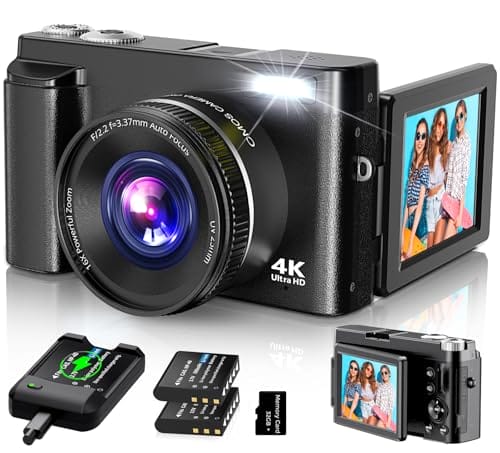
Digital cameras have transcended their traditional role, emerging as essential instruments for content creation, professional media production, and social storytelling.
The convergence of technological innovation, social media expansion, and the increasing demand for superior imagery has cultivated a robust global market.
Despite the encroaching challenges posed by smartphones and high costs, the combination of mirrorless, DSLR, and advanced compact cameras continues to drive adoption, ensuring that digital photography remains integral to contemporary life and creative expression.
Source link: Vocal.media.


