Samsung has officially introduced the Galaxy Z Wide Fold, signifying a pivotal advancement in the realm of foldable smartphones.
This notable device emerged through its own software leaks and distinctly deviates from the conventional tall and slender designs characteristic of its forerunners by presenting a broader 4:3 aspect ratio.
The intent behind this design transformation is to foster a more tablet-like experience, thereby enhancing its appeal for multitasking, video consumption, and extensive reading.
However, the integration of the older M13 OLED display technology raises some uncertainty regarding its capability to satisfy the expectations of tech aficionados who seek cutting-edge features.
Innovative Design for Enhanced Usability
The 4:3 aspect ratio of the Galaxy Z Wide Fold markedly departs from the near-square displays seen in earlier Galaxy Z Fold iterations.
This wider configuration emulates an iPad’s dimensions, facilitating a more expansive and practical interface
Users engaged in juggling multiple applications or indulging in immersive video content, as well as those reading long-form articles, will find that the wider screen significantly enhances both usability and engagement.
This strategic design decision mirrors Samsung’s response to the escalating demand for devices that fluidly merge the attributes of smartphones with those of tablets.
In adopting this format, Samsung directly positions the Galaxy Z Wide Fold as a competitive counterpart to Apple’s anticipated foldable devices, which are projected to mirror a similar design ethos.
The broader screen caters not only to productivity-driven users but also attracts those in search of a versatile device suitable for entertainment and daily tasks.
Carving a Niche in a Competitive Market
Samsung’s embrace of a wider screen format distinctly differentiates the Galaxy Z Wide Fold amidst an increasingly saturated foldable smartphone market.
This approach revives a concept that was previously explored by the Google Pixel Fold, which subsequently shifted toward a more compact design.
By reintroducing this notion, Samsung crafts a specific niche, targeting professionals and content creators who value a device synthesizing productivity with entertainment.
That said, the decision to employ M13 OLED display technology, which is regarded as somewhat dated by contemporary standards, may somewhat dampen the enthusiasm of certain prospective buyers.
Although this choice aids in curbing production expenses, it might dissuade those who prioritize avant-garde display quality in premium devices.
Nonetheless, the unique design and pragmatic enhancements of the Galaxy Z Wide Fold may still resonate with a diverse audience, particularly among those who prioritize functionality over the latest display features.
Technological Features and Practical Enhancements
While the Galaxy Z Wide Fold relies on older OLED technology, it introduces nearly crease-free display advancements, addressing a prevalent concern for users of foldable devices.
This innovation not only augments the device’s durability but also elevates its aesthetic appeal, making it more enticing to users apprehensive about wear and tear over time.
Alongside its innovative display, the Galaxy Z Wide Fold is anticipated to showcase a formidable 5,000mAh battery featuring 45W fast charging capabilities.
Such specifications promise prolonged usage without frequent disruptions, whether users are working remotely or enjoying entertainment. These practical enhancements emphasize Samsung’s commitment to delivering a device that balances innovation with reliability.
Strategic Expansion of Samsung’s Foldable Lineup
The introduction of the Galaxy Z Wide Fold constitutes a strategic extension of Samsung’s foldable product range, complementing the Galaxy Z Fold 8 and Z Flip 8.
By providing a wider alternative, Samsung addresses varied user preferences while exploring novel design avenues. This strategy also serves as a market trial, allowing the company to assess consumer interest in more expansive foldable designs.
All three models have secured certification in India, indicating a forthcoming launch. This swift rollout underscores Samsung’s resolve to sustain its leadership in the foldable sector while continuing to innovate.
By broadening its lineup, Samsung not only fortifies its market position but also illustrates its readiness to undertake calculated risks in response to shifting consumer demands.
Balancing Innovation with Market Realities
The Galaxy Z Wide Fold reveals several noteworthy features; however, its reliance on older display technology might pose a challenge in captivating tech-savvy consumers.
In a landscape where display quality often delineates user experience, this decision may constrain its appeal to those prioritizing the latest advancements.
Nonetheless, the Galaxy Z Wide Fold’s distinctive design, practical advancements, and emphasis on multitasking potential render it an attractive option for a diverse array of users.
By addressing pivotal concerns such as display durability and battery performance, Samsung positions the device as a pragmatic and innovative choice in the foldable market.
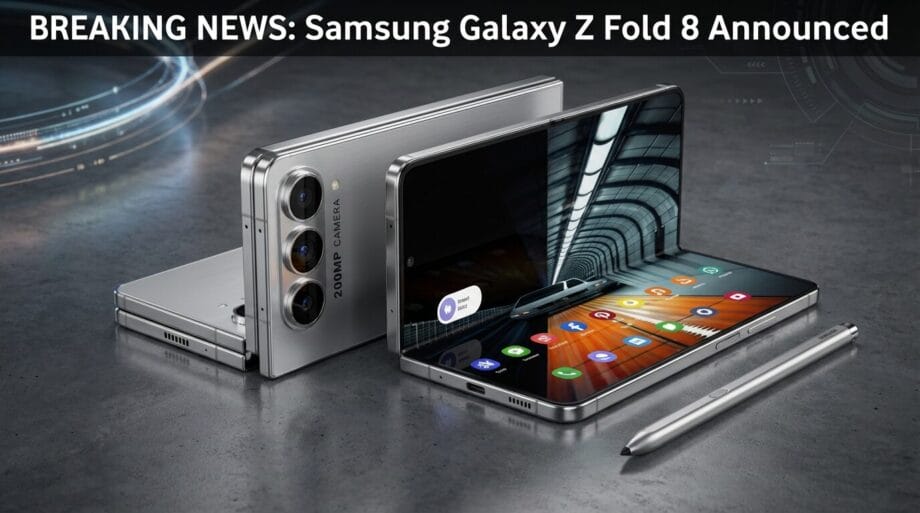
As the foldable smartphone segment continues to evolve, the Galaxy Z Wide Fold exemplifies Samsung’s dedication to innovation and its adaptability to shifting consumer preferences.
Whether it will redefine the foldable landscape or grapple with robust competition from Apple and Google remains to be seen.
However, its capacity to influence the market and sculpt the future of foldable devices is unmistakable, positioning it as a noteworthy device to monitor closely.
Source link: Geeky-gadgets.com.