Innovative Framework for Early Diabetes Detection Using Wearable Technology
A recently published study has introduced a comprehensive and scalable framework aimed at analyzing data from wearable devices, such as smartwatches, to identify early indicators of diabetes.
Researchers from Google Research in the United States achieved the remarkable feat of predicting insulin resistance among 1,165 participants through the amalgamation of smartwatch data alongside demographic factors and routine blood biomarker measurements, including fasting glucose levels and lipid profiles.
According to the authors, individuals exhibiting insulin resistance are at a heightened risk of developing diabetes, cardiovascular ailments, hyperlipidaemia, and hypertension. This significant correlation underscores the urgency of their findings, as outlined in the esteemed journal Nature.
Moreover, the investigation revealed that relying solely on fasting glucose levels is inadequate for accurately gauging insulin resistance, emphasizing the pivotal role of lifestyle variables in this context.
The study’s authors articulated, “We present a method for predicting insulin resistance using signals derived from consumer smartwatches, along with demographic data and regularly measured blood biomarkers. This approach holds the potential for scalability to millions, facilitating widespread identification of insulin resistance.”
“Our research assembled an extensive cohort of 1,165 individuals, integrating wearable device data, demographic information, and blood biomarkers, culminating in a definitive measure of insulin resistance,” they further explained.
In a groundbreaking advancement, the team developed an advanced language model termed the “IR agent.”
This model synthesizes results from the assessment model with lifestyle and biomarker data, thereby offering comprehensive insights into metabolic health and diabetes risk, along with customized recommendations for individuals.
The authors reiterated, “This work lays the foundation for a scalable and accessible framework for the early detection of metabolic risk, potentially allowing timely lifestyle interventions to avert the progression to type 2 diabetes.”
In a complementary commentary, Christopher M. Hartshorn of the National Institutes of Health (NIH) noted, “Rather than merely a snapshot, this study provides something akin to a ‘movie’ of one’s metabolic health.”
Hartshorn, who was not involved in the research, emphasized the continuous data collection capabilities of smartwatches, which effectively capture variations in activity, sleep patterns, and heart function over time—reflecting the nuanced demands of metabolic regulation.
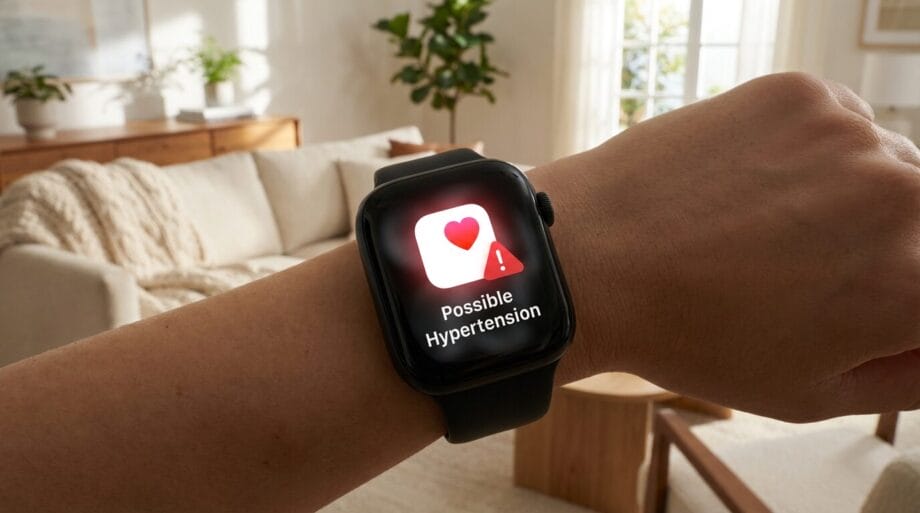
“By leveraging continuous daily life signals, the authors’ methodology illuminates physiological strain often overlooked in episodic testing,” Hartshorn remarked.
Identifying insulin resistance—a critical harbinger of diabetes—could empower simpler interventions and ultimately diminish the pervasive burden of metabolic diseases, he concluded.
Source link: Thehindu.com.