Apple’s Upcoming iPhones May See Price Increases Amid Rising Costs
The impending launch of Apple’s flagship iPhones could see higher price points, driven by escalating chip manufacturing expenses that threaten to impact the company’s profit margins ahead of the anticipated 2026 release cycle.
Are 2nm Chips on the Horizon for iPhones?
Apple appears poised to implement a groundbreaking 2nm fabrication process for its next-generation mobile chipset, which is expected to debut in 2026. This technological advancement could mirror Samsung’s unveiling of the Exynos 2600 processor, based on 2nm technology, in December.
The forthcoming Apple silicon, presumably designated the A20 or A20 Pro, is projected to power four distinct models set to launch in September 2026. This lineup is anticipated to include the iPhone 18 Pro, iPhone 18 Pro Max, an updated iteration of the iPhone Air, and the second generation of the iPhone Fold.
TSMC’s Wafer Prices on the Rise
As reported from Taiwan, Apple’s longstanding chip supplier, TSMC, is set to elevate prices for its advanced silicon wafers.
The intricate 2nm process utilizes sophisticated 12-inch wafers comprising approximately 100 layers, with a total cost hovering around $30,000 — roughly ₹27 lakh — per wafer.
In stark comparison, the wafers associated with TSMC’s existing 3nm process are reported to cost around $20,000, or about ₹18 lakh.
This significant escalation underscores not only the technical challenges of producing smaller nodes but also the increasing expenses related to materials and fabrication equipment.
Escalating Costs for A20 Chip
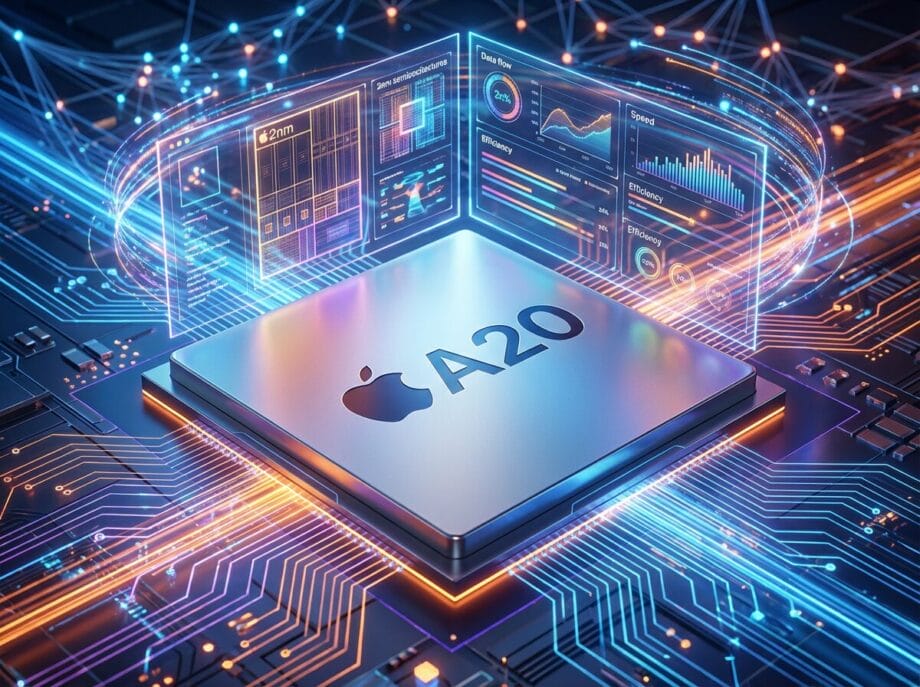
The surge in wafer prices has led to a projected sharp increase in the cost per chip for Apple. The A20 or A20 Pro processor may burden the company with production expenses nearing $280 — approximately ₹25,200 — per unit. This figure represents an almost 87% escalation from the estimated $150 Apple incurred for the A19 Pro.
When examined over a longer timeline, the projected cost of the A20 chip appears even more startling, substantially exceeding the approximately $50 associated with the A18 Pro.
Crucially, this report intimates that Apple faces a challenging conundrum. The company must decide whether to absorb the burgeoning silicon costs, thereby diminishing its profit margins, or to transfer a portion of this financial burden to consumers through increased iPhone prices in 2026.
Samsung’s Competitive Edge in 2nm Pricing
In a contrasting scenario, Samsung is reportedly offering its 2nm wafers at significantly lower prices. Reports suggest that the South Korean conglomerate prices its 12-inch 2nm GAA wafers at approximately $20,000, which is about 33% less than TSMC’s pricing for 2nm, aligning more closely with TSMC’s rates for 3nm production.
Nonetheless, TSMC is presumed to deliver marginally superior production yields, a crucial factor that continues to assure Apple’s reliance on the Taiwanese foundry for its most advanced chipsets.
Source link: Livemint.com.