Urgent Security Advisory from Personal Finance Expert
Martin Lewis, a noted authority on personal finance, made an urgent appeal during his ITV program, stressing the importance of adjusting a fundamental setting that can significantly bolster mobile phone security. He urged all mobile phone users to adopt this precaution without delay.
During a recent episode of the “Martin Lewis Money Show Live,” Lewis responded to a viewer inquiry about safeguarding bank applications in the event of a phone theft.
The viewer, named Paula, expressed concern: “What can I do to stop access to my bank apps if my phone is stolen? I have a strong passcode and biometrics to unlock my phone. What else can I do?”
Lewis underscored that merely relying on biometric security for phone access is insufficient. He advised, “To enhance your protection, employ biometrics not only for unlocking your phone but also for accessing banking applications. This should apply universally to all secure applications.”
Key Recommendations for Securing Mobile Devices
- Be vigilant against shoulder surfing; utilize headphones when inputting sensitive information. Lewis cautioned, “If you enter your PIN forgetting to shield it, potential thieves can easily gather data. Keep your phone in your pocket to minimize risks.”
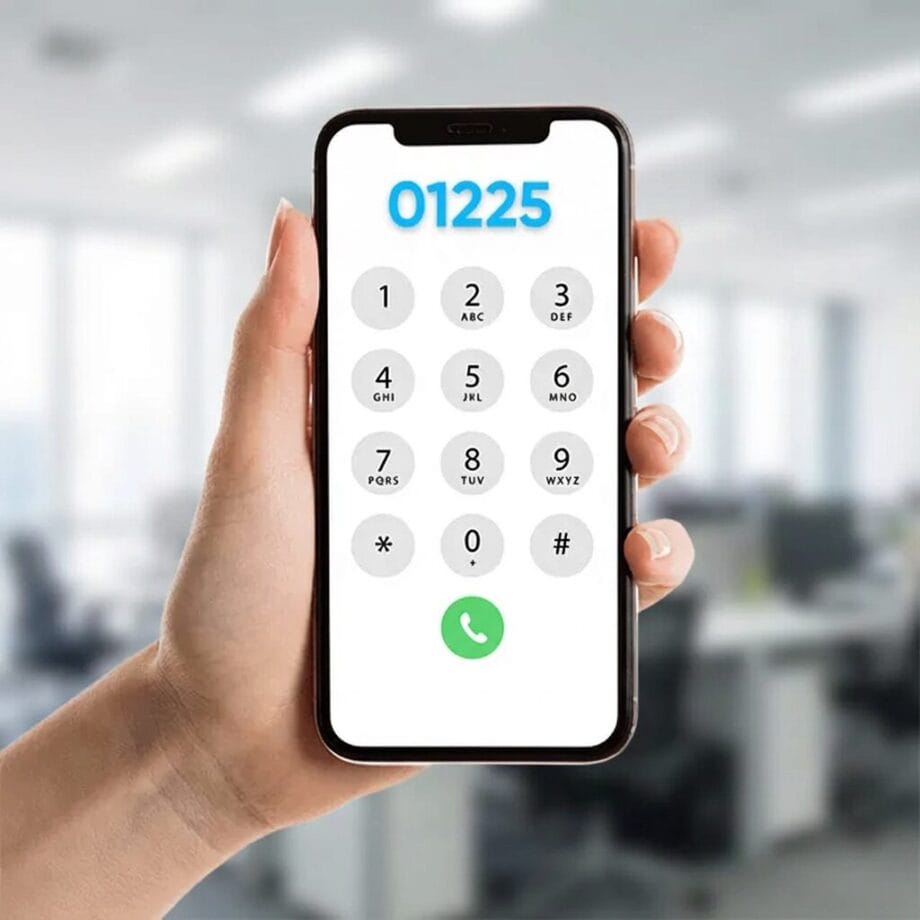
- Dial *#06# to retrieve your device’s IMEI number and take a screenshot for future reference. Lewis elaborated, “In the unfortunate event of theft, this number enables law enforcement to block your device from usage on any network.”
- Install remote tracking applications to monitor your device’s location and suspend payments in emergencies.
- Utilize biometrics for not only your phone but all critical applications. Importantly, Lewis advised, “Avoid using the same PIN for both your phone and banking apps. Should a thief gain access to your PIN, they could potentially compromise everything.”
- Evaluate your phone’s additional safety features. For instance, iPhones possess a “stolen device” feature that restricts changes to settings or passwords when the device is in an unfamiliar location. Similarly, Android has theft protection abilities that can lock your phone upon detecting rapid movements.
Emphasizing the need to deactivate preview notifications, Lewis stated, “This simple adjustment is paramount. When you receive a text code for a transaction, it may display on your lock screen. Disabling this feature ensures codes remain hidden until your device is unlocked.”
This advisory aligns with recent concerns raised by the Commons Science, Innovation and Technology Committee, which urged Home Secretary Shabana Mahmood to enforce more stringent measures against mobile phone theft.
The committee highlighted a disturbing trend, noting that tech companies must intensify their efforts to secure mobile devices and prevent stolen handsets from accessing cloud accounts internationally. Last year, data from the Metropolitan Police indicated that London experienced approximately 80,000 mobile phone thefts.
Many of these stolen devices are trafficked abroad. Earlier this month, the Metropolitan Police reported that a criminal organization had smuggled up to 40,000 stolen phones from the UK to China over the past year.
In light of this, Lewis recommended that users prioritize downloading an appropriate application for added security.
He articulated, “Regardless of your smartphone platform, ensure you utilize security applications—‘Find My Device’ for Apple or ‘SmartThings’ for Android. These tools not only help in locating a lost device but also allow you to disable payments, thus mitigating risks associated with theft.”
Source link: Mirror.co.uk.