In a remarkable pivot, Apple is set to revolutionize its product launch strategy in 2026. For the first time, the tech giant intends to divide its iPhone launches into two distinct phases.
Premium models—including the iPhone 18 Pro, iPhone 18 Pro Max, and the eagerly awaited foldable iPhone—will grace the market months prior to the standard iPhone 18.
This audacious strategy aims to navigate manufacturing intricacies, bolster sales efficacy, and engender sustained consumer enthusiasm throughout the year. A detailed analysis of Apple’s forthcoming iPhone launch is provided in the accompanying video by Matt Talks Tech.
Decoding Apple’s Split Launch Strategy
Historically, Apple has unveiled its complete iPhone assortment in September, establishing a singular, impactful sales event. However, this newly conceived split launch strategy delineates the release into two phases, each catering to disparate consumer demographics and market demands:
- Phase One: Premium models, such as the iPhone 18 Pro, iPhone 18 Pro Max, and the foldable iPhone, are slated for a late 2026 release. These devices will epitomize Apple’s latest technological breakthroughs, targeting affluent consumers.
- Phase Two: The standard iPhone 18, alongside a potential entry-level “E” model, will emerge in early 2027, aimed at a broader audience seeking more affordable options.
This dual-phase methodology heralds two significant annual sales peaks, granting Apple the ability to maintain consumer engagement over a protracted timeline. It also mirrors the company’s adaptability to the shifting market landscape and intensifying competitive pressures within the smartphone sector.
Rationale Behind Apple’s Strategic Shift
Apple’s move to a split launch paradigm is underpinned by several pivotal factors, each aimed at confronting specific challenges and harnessing opportunities:
- Manufacturing Complexities: The high-end models, notably the foldable iPhone, necessitate advanced components and cutting-edge technology. By prioritizing these devices, Apple can refine its production processes for premium offerings without impeding the entire lineup.
- Supply Chain Management: Staggered releases enable Apple to effectively navigate component shortages and streamline production schedules. This is particularly crucial for innovative technologies like foldable displays, which present scalability challenges.
- Sales Optimization: Distributing demand across two distinct periods alleviates pressure on supply chains during peak seasons while sustaining steady sales and media focus throughout the year.
This strategy not only mitigates logistical challenges but also positions Apple competitively within a crowded marketplace, where innovation and timing are essential for capturing consumer fascination.
Business Implications: A Year-Round Revenue Strategy
The dual-phase launch strategy marks a significant transformation in Apple’s business paradigm. By instituting two major sales events—one in the fall and another in the spring—Apple aspires to maximize revenue potential and cultivate year-round consumer interest. This approach also facilitates the precise targeting of diverse market segments:
- Premium Buyers: Affluent consumers gain exclusive early access to groundbreaking technology, including the foldable iPhone, enticing those willing to invest in innovation and exclusivity.
- Mass-Market Appeal: The postponed launch of the standard iPhone 18 affords Apple additional time to enhance production efficiency and potentially lower costs, rendering it accessible to budget-conscious consumers.
This bifurcated strategy could further extend Apple’s competitive advantages by enabling a more nimble response to market trends and consumer inclinations. By maintaining a steady influx of product introductions, Apple ensures continuous media spotlight and consumer engagement throughout the year.
The Foldable iPhone: A Transformative Endeavor for Apple
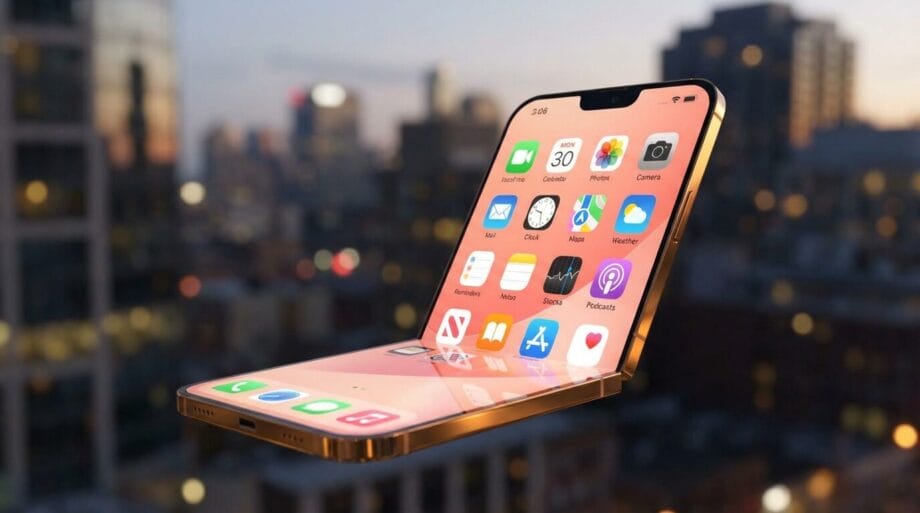
The foldable iPhone signifies a groundbreaking milestone for Apple, as it ventures into a novel product category that competes directly with foldable offerings from rivals such as Samsung.
Anticipated to debut in late 2026, this device has the potential to reshape smartphone design and usability, marrying portability with expansive screen features.
Nevertheless, the fabrication of foldable displays poses distinct challenges. These advanced screens demand sophisticated materials and meticulous manufacturing processes, consequently inflating production costs.
Apple’s determination to highlight the foldable iPhone in its staggered launch signals an unwavering commitment to innovation and market supremacy.
If executed successfully, the foldable iPhone could catalyze future advancements in display technology, further entrenching Apple’s identity as a pioneer within the industry.
This device is anticipated to captivate tech aficionados and early adopters, paving the way for broader acceptance of foldable technology in the foreseeable future.
Consumer Implications
For consumers, Apple’s segmented launch strategy presents both advantages and obstacles, contingent on individual preferences and purchasing inclinations:
- Early Access for Premium Buyers: Affluent consumers will capitalise on earlier access to cutting-edge technology, including the foldable iPhone and Pro models, allowing them to maintain a competitive edge.
- Delayed Access for Standard Models: Those inclined towards the standard iPhone 18 or more budget-friendly alternatives may encounter a several-month wait, potentially disrupting their upgrade timelines.
This staggered release strategy encourages consumers to make more astute purchasing decisions, aligning their strategies with personal budgets and requirements.
While some may embrace the extended product lifecycle, others might experience discomfort due to the delays, particularly in light of Apple’s customary September launch schedule.
Long-Term Consequences for Apple and the Industry
If effectively executed, Apple’s split launch strategy could fundamentally alter its product release methodology, supplanting the traditional singular September event with a more flexible, year-round model.
This transition harmonises with broader industry trends, as corporations increasingly embrace staggered release schedules to adeptly adapt to technological evolutions and market expectations.
By striking a balance between innovation and strategic timing, Apple’s new modus operandi harbours the potential to reshape its product lifecycle and sustain its competitive edge.
For consumers, market analysts, and rival firms alike, the forthcoming years will be critical in discerning how this innovative strategy influences Apple’s standing in the global smartphone arena.
As the company embarks on this uncharted journey, its adeptness in executing the split launch will significantly determine its long-term viability in an ever-evolving market landscape.
Source link: Geeky-gadgets.com.