In the burgeoning arena of ultra-premium smartphones, the Apple iPhone 18 Pro Max and Xiaomi 18 Pro Max epitomize divergent philosophies.
Apple adheres to its methodology of iterative refinement, prominently showcasing ecosystem synergy, bespoke silicon architecture, and videography capabilities of a professional caliber.
Meanwhile, Xiaomi employs an aggressive hardware innovation strategy, integrating a formidable dual 200MP camera setup, a substantial silicon-carbon battery, and an intriguing supplementary display on the rear.
Both devices undoubtedly hold flagship status; however, their contrasting designs in aspects such as photographic engineering, battery longevity, and market pricing catalyze a fierce competition.
Xiaomi 18 Pro Max vs iPhone 18 Pro Max Specifications
| Feature | iPhone 18 Pro Max | Xiaomi 18 Pro Max |
| Main Display | 6.9-inch LTPO Super Retina XDR OLED (120Hz) | 6.9-inch LTPO AMOLED (120Hz) |
| Peak Brightness | 3,000 nits | 4,000 nits |
| Secondary Display | None | 2.9-inch LTPO AMOLED (Rear) |
| Processor | Apple A20 Pro (2nm) | Snapdragon 8 Elite Extreme Gen 6 (2nm) |
| RAM & Storage | 12GB RAM / Up to 2TB NVMe | Up to 16GB RAM / Up to 1TB UFS 4.1 |
| Rear Cameras | 48MP Main, 48MP Ultrawide, 48MP Periscope (4x) | 200MP Main, 50MP Ultrawide, 200MP Periscope (3.2x) |
| Front Camera | 18MP with SL 3D | 50MP |
| Video Capabilities | 4K @ 120fps, ProRes RAW, Dolby Vision | 8K @ 30fps, 4K @ 120fps, Dolby Vision |
| Battery Capacity | ~5,391mAh – 5,567mAh (Market dependent) | 8,500mAh Silicon-Carbon |
| Wired Charging | PD3.2 (50% in 15 minutes) | 100W |
| Wireless Charging | 25W MagSafe/Qi2 | 50W |
| Durability | Ceramic Shield 2, IP68 | Dragon Crystal Glass 3, IP68 |
| Biometrics | Face ID (3D Facial Recognition) | Ultrasonic Fingerprint Scanner |
| Estimated Price | ~$1,300 | ~$1,000 |
Design and Display Innovation
The iPhone 18 Pro Max exemplifies Apple’s apartmentially elegant design ethos, featuring a titanium-forged aluminum frame and the newly developed Ceramic Shield 2, enhancing its durability against drops. This model is a quintessential representation of refined industrial aesthetics.
In stark contrast, Xiaomi eschews minimalism for a bold approach. Coated in Dragon Crystal Glass 3, the Xiaomi 18 Pro Max showcases a functional 2.9-inch AMOLED display that is ingeniously embedded within its rear camera module.
This innovative secondary screen allows users to effortlessly check notifications, assess battery status, and, crucially, frame high-resolution selfies utilizing the primary 200MP lenses.
Both devices are equipped with 6.9-inch 120Hz panels. Apple offers a lead in resolution (1320 x 2868), yet Xiaomi triumphs in brightness, boasting a remarkable peak brightness of 4,000 nits—surpassing Apple’s 3,000-nit benchmark.
Furthermore, Xiaomi supports a broader spectrum of HDR formats, including HDR10+ and HDR Vivid, thereby augmenting its display versatility.
Performance, Battery, and Charging
Performance-wise, these flagship devices are powered by cutting-edge 2nm processors. Apple’s A20 Pro chipset is finely tuned for seamless interaction with iOS 27, delivering remarkable efficiency and sustained computational prowess.
Xiaomi, on the other hand, integrates the formidable Snapdragon 8 Elite Extreme Gen 6, enhanced by up to 16GB of RAM, providing ample capacity for Android 17 and HyperOS 4.
In terms of battery longevity, this analysis leans decidedly in Xiaomi’s favor. The iPhone is equipped with a commendable battery capacity nearing 5,500mAh, combined with 25W MagSafe charging.
In stark contrast, Xiaomi redefines expectations with an enormous 8,500mAh silicon-carbon battery. When recharging is necessary, Xiaomi’s impressive 100W wired and 50W wireless charging speeds far exceed Apple’s relatively conservative charging capabilities.
Additionally, Xiaomi’s 27W reverse wireless charging adeptly transforms the device into a power bank for accessories, dwarfing Apple’s meager 4.5W reverse output.
Camera Architecture
The camera system of the iPhone 18 Pro Max is anchored by a cohesive triple 48MP arrangement. Its strengths lie in its consistency, innovative second-generation sensor-shift stabilization, and exceptional video capabilities, including ProRes RAW and 4K recording at 120fps, solidifying its position as the definitive tool for mobile cinematographers.
Xiaomi, in its quest for excellence, pivots towards high resolution and still photography attributes. Collaborating with Leica, it boasts an extraordinary dual 200MP configuration for both the primary and telephoto periscope lenses, alongside a 50MP ultrawide lens.
Enhanced by laser autofocus and a sophisticated color spectrum sensor, this configuration captures an astonishing level of detail.
Although it supports 8K video at 30fps, Xiaomi caters to a different demographic, prioritizing ultra-high-resolution stills and versatile zooming capabilities over Apple’s video-centric ecosystem.
Xiaomi 18 Pro Max vs iPhone 18 Pro Max Pricing and Final Verdict
With a price tag hovering around $1,300, the iPhone 18 Pro Max represents a significant investment. Consumers are essentially compensating for the pristine ecosystem of iOS, elite videographic capabilities, and the secure advantages of Face ID.
Conversely, the Xiaomi 18 Pro Max, priced at approximately $1,000, effectively undercuts Apple while simultaneously offering superior hardware specifications in numerous crucial dimensions.
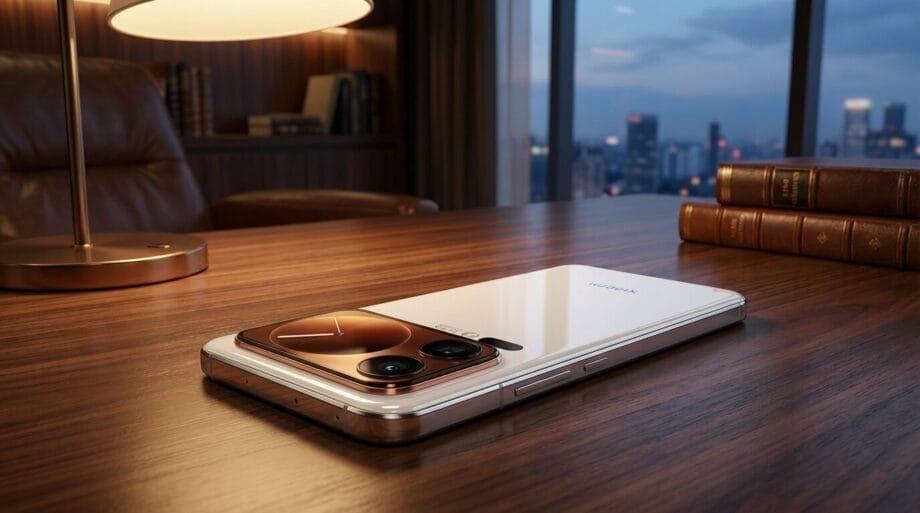
For those willing to venture beyond the Apple ecosystem, Xiaomi presents a notably larger battery, vastly accelerated charging options, dual 200MP camera capabilities, and the unique functionality of a secondary display—all while saving the consumer $300.
While Apple continues to captivate loyalists and professional videographers, Xiaomi presents a more compelling proposition from a hardware-to-price ratio perspective within the ultra-premium segment.
Source link: Nokiamob.net.