Smartwatch Use in Hypertension Screening Raises Concerns
SALT LAKE CITY — A recent study conducted by researchers at the University of Utah Health underscores the inadequacies of relying solely on smartwatches to screen for hypertension. The investigation revealed troubling discrepancies in the accuracy of these devices.
Professor Adam Bress, who is tenured in population health sciences at the University of Utah School of Medicine, reported that smartwatches frequently issue false alerts for individuals who do not have high blood pressure while failing to notify some who do. This pivotal study was published in the esteemed Journal of the American Medical Association.
Hypertension, often labeled a “silent killer,” stands as the foremost contributor to cardiovascular diseases. Its notorious lack of symptoms leaves many individuals unaware of their condition.
While smartwatches can serve as valuable supplementary tools, they should not supplant conventional blood-pressure measurements, as emphasized in a statement from University Health.
“If the adoption of smartwatches encourages individuals to engage with the healthcare system for a proper diagnosis and treatment of hypertension via cuff-based methods, that is a positive development,” remarked Bress.
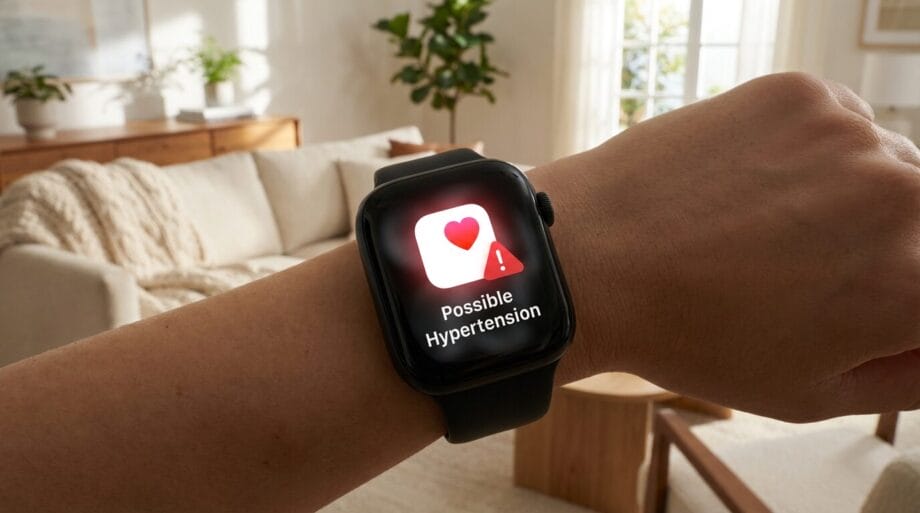
In September, the U.S. Food and Drug Administration sanctioned an innovative feature within the Apple Watch designed to notify users of potential hypertension. This functionality employs optical sensors to analyze blood flow patterns, but is not intended to serve as a definitive diagnostic tool for high blood pressure.
“This represents a significant advancement towards population screening using wearable technology,” stated officials from University Health.
However, a previous analysis by Apple indicated that the notification feature failed to alert approximately 59% of users with undiagnosed hypertension, while around 8% of users without the condition would erroneously receive warnings.
Given an estimated 200 million Apple Watch users, with 30 million located in the United States, the findings from University Health suggest that although the technology harbors potential as a public health resource, widespread reliance on it for diagnosing hypertension could lead to complications.
The study discovered that individuals receiving alerts are significantly more likely to be experiencing high blood pressure.
For adults under 30, the likelihood of having hypertension escalates from 14% to 47% upon receiving an Apple Watch notification. Conversely, for individuals over 60, the probability surges from 45% to 81%, while the absence of an alert lowers this risk to 34%.
The implications of missing an alert appear more comforting for younger individuals but may yield false security for older adults or other demographic groups with higher susceptibility to hypertension, as the data indicates.
University Health advises that adults under 40 without additional risk factors should undergo blood pressure screening every three to five years, while those over 40 should be assessed annually.
The researchers stressed that Apple Watch users should still prioritize screenings using traditional blood pressure cuffs to capitalize on opportunities for early diagnosis and treatment.
Bress recommended that healthcare providers utilize a “high-quality cuff-based office blood pressure measurement” when a hypertension alert is generated.
Moreover, they should consider additional assessments outside the clinical setting, such as home blood pressure monitoring or ambulatory blood pressure techniques, to validate the diagnosis.
University Health announced that the same research team intends to embark on follow-up studies to better understand which demographic factors are associated with increased occurrences of false negatives and positives.
Source link: Ksl.com.