Apple has consistently faced scrutiny from enthusiasts and industry analysts regarding its inflexible annual iPhone release cycle.
Adversaries contend that this timetable truncates the product lifespan of existing models, particularly the standard iPhones, which exhibit minimal evolution from year to year.
Many basic iPhone upgrades present minor enhancements, rather than significant advancements, resulting in devices that can feel obsolete far too swiftly.
In a notable shift, Apple appears poised to tackle these concerns head-on. According to a multitude of reports, the company is set to revamp its approach to launching standard iPhones.
Rather than adhering to annual updates, Apple may extend the lifecycle of base models to an unprecedented 18 months.
This transformation is anticipated to commence with the iPhone 18, which, according to reports, may be postponed until spring 2027.
Rethinking iPhone Timing
For over a decade, Apple has unveiled its entire iPhone lineup every September; however, this tradition may conclude as early as 2026.
Reports indicate that Apple intends to segment iPhone releases into two distinct phases. Premium models will retain their fall introduction, while standard and budget models will follow months afterward.
Consequently, Apple will not release a base iPhone in the fall of 2026, meaning that the iPhone 17 will remain the most recent standard model until early 2027.
This interval would represent Apple’s first complete year without launching a new base iPhone iteration.
This strategic pivot affords Apple enhanced control over product positioning.
Such a strategy ensures that each model receives extended visibility. Moreover, it diminishes internal competition, particularly between Pro and non-Pro variants.
This new direction aligns seamlessly with Apple’s expanding portfolio.
By late 2026, the company could potentially market as many as eight different iPhone models simultaneously, including legacy devices, affordable variants, Pro editions, and a foldable model.
Early 2026 Refresh
Apple still envisions an iPhone launch in early 2026.
The company is expected to debut the iPhone 17e, the final addition to the iPhone 17 lineage.
This model will succeed the iPhone 16e and cater to budget-conscious consumers.
Reported enhancements include the integration of the A19 chip, a shift to Dynamic Island design, reduced bezels, and a front camera potentially supporting Center Stage functionality.
However, certain compromises persist. The device will continue to utilize a single rear camera.
Furthermore, the display will forgo ProMotion and always-on features, while Camera Control will remain exclusive to higher-tier models.
With a rumored price point of $599, the iPhone 17e could attract users with older models seeking modern capabilities without the premium price tag.
The pinnacle of Apple’s 2026 offerings will feature its premium devices.
The iPhone 18 Pro and Pro Max are on track for a fall 2026 launch, building upon the success of the iPhone 17 Pro.
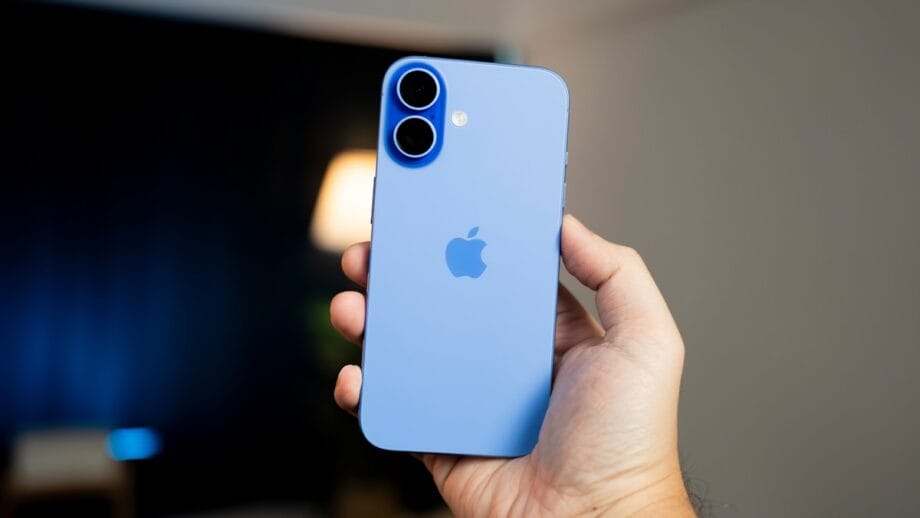
Anticipated upgrades consist of larger battery capacities and the introduction of the A20 Pro chip, constructed using 2nm technology. Apple may also reduce the size of the Dynamic Island or incorporate Face ID beneath the display.
Proposed camera updates might involve a variable aperture system, along with the debut of a new C2 cellular modem.
Moreover, alongside the Pro models, Apple has ambitions to unveil its inaugural foldable iPhone, projected to exceed $2,000 in price. Speculations suggest a book-style folding design that features dual displays with no visible crease.
Due to spatial constraints, Apple may opt for Touch ID deployment.
Supply chain analysts emphasize that staggered launches yield tangible benefits, allowing Apple to alleviate production pressures while enhancing management of advanced components.
This strategy could also facilitate a smoother revenue stream across fiscal quarters.
If these reports are accurate, Apple’s iPhone strategy is transitioning into a new era.
Longer intervals between standard iterations may finally provide the breathing space that critics have long advocated.
This staggered release schedule further suggests that Apple is experimenting with a clear demarcation between mainstream and high-end models.
Source link: Interestingengineering.com.