The Downfall of EV Battery Swapping: Ample’s $330 Million Bet Ends in Bankruptcy
In the rapidly transforming realm of electric vehicles (EVs), where groundbreaking advancements promise to redefine transit, the recent bankruptcy of Ample, a San Francisco-based startup focused on battery swapping technology, serves as a potent reminder of the sector’s inherent unpredictability.
Established in 2014, Ample amassed over $330 million from investors, presenting a system designed to replace depleted EV batteries with fully charged units in a mere five minutes.
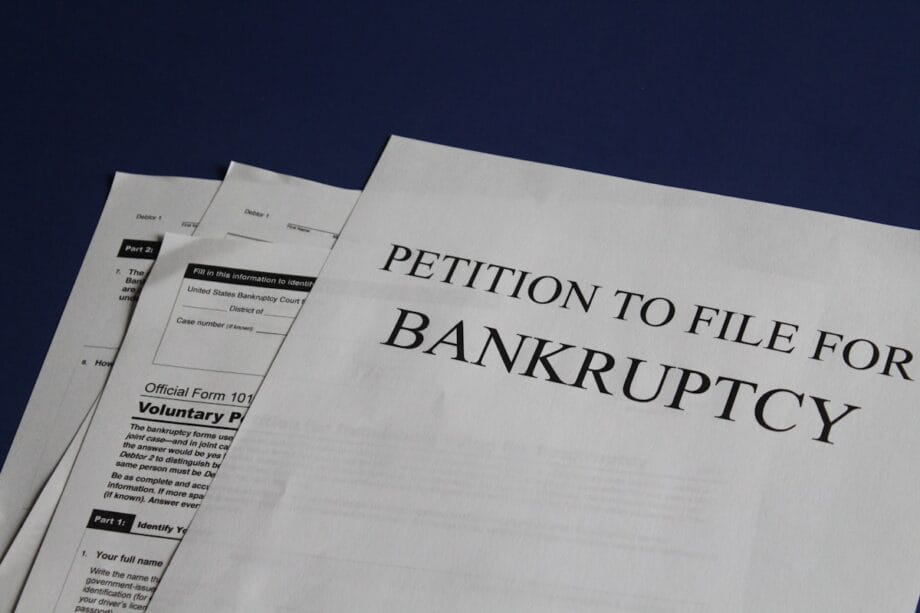
However, on December 19, 2025, the company sought Chapter 11 bankruptcy protection, citing insurmountable challenges in scaling operations amidst wider industry adversities. This event, highlighted by Inc., underscores the hurdles encountered by enterprises trying to disrupt conventional charging mechanisms.
Ample’s innovation featured modular battery swapping stations akin to compact car washes, targeting primarily commercial fleets engaged in logistics, ride-hailing, and delivery services.
The objective was to eradicate prolonged charging times, a persistent barrier to EV adoption. Investors, including notable players like Shell Ventures and Moore Strategic Ventures, invested heavily in the venture, wagering on its capacity to hasten the electric mobility transition.
Nonetheless, the bankruptcy proceedings reveal that, despite accumulating substantial capital, Ample faced challenges with deployment costs, infrastructure incompatibility, and a market uptake that lagged behind projections.
This bankruptcy emerges at a juncture when the EV sector contends with economic strains, such as volatile raw material prices and fluctuating consumer demand. Ample’s plight isn’t an anomaly; it joins a growing roster of battery-centric startups that have faltered.
Earlier in 2025, the Swedish company Northvolt, once regarded as Europe’s battery titan, also filed for bankruptcy, failing to secure continued financing, as reported by The Guardian.
Aspirations and Early Achievements
Ample embarked on its journey with lofty aspirations to tackle one of the EV industry’s fundamental issues: range anxiety and limitations in charging infrastructure.
By prioritizing battery swapping over fast charging, the company aimed to deliver a frictionless experience for fleet operators, who could avoid the downtime associated with traditional charging methods.
Collaborations with entities like Uber and Stellantis facilitated the deployment of pilot stations in major cities, including San Francisco and Madrid, showcasing successful swaps that were quicker than refueling a gasoline vehicle.
From a financial standpoint, the startup appeared well-positioned for success. Its funding rounds garnered significant attention, with the latest investments bolstering research and the expansion of swapping stations. However, underlying challenges became apparent.
Substantial capital costs related to the manufacturing of modular batteries and the establishment of swapping stations proved onerous.
Reports from Slashdot revealed that Ample’s model required specially designed infrastructure, which curtailed scalability compared to established charging networks.
As competition intensified, rival companies like Nio in China successfully scaled battery swapping; however, in the U.S., regulatory hurdles and diverse EV standards complicated the path to adoption.
Ample’s bankruptcy filing articulated that, despite accumulating substantial funds, the company grappled with “broad EV industry turmoil,” which included disrupted supply chains and economic downturns that curtailed fleet investments.
Sector-Wide Shortcomings and Lessons to Be Learned
This incident isn’t the first instance of a battery swapping enterprise encountering significant challenges. Historical examples abound, such as Better Place, which collapsed in 2013 after expending hundreds of millions of dollars.
More recently, as detailed in an article from Battery Tech Online, no fewer than 11 EV and battery enterprises have filed for bankruptcy over recent years, casualties of inflated expectations and underperformance.
The collapse of Ample underscores systemic vulnerabilities within the sector. Observations on X (formerly Twitter) from industry analysts depict a blend of skepticism and concern, with some commentators noting that EV startups frequently overrate market readiness.
For instance, discussions highlight how economic factors, including rising interest rates, have restricted funding for capital-intensive initiatives.
One post compared Ample’s trajectory to that of Fisker, another EV enterprise that succumbed to bankruptcy, revealing the risks associated with reliance on cutting-edge yet unproven technology.
Experts contend that while battery swapping is an innovative concept, it encounters intrinsic obstacles regarding standardization.
EVs produced by different manufacturers rely on proprietary battery designs, complicating the feasibility of universal swapping in the absence of industry-wide agreements.
Ample endeavored to navigate this challenge through modular systems, but reports from Electrek indicate that this strategy failed to gain meaningful traction amidst the competition from enhanced fast-charging technologies.
Economic Realities and Market Dynamics
The overarching economic landscape significantly influenced Ample’s downfall. With persistent inflation and tightening venture capital, startups like Ample struggled to secure follow-on funding.
The company’s filed plan, covered by Clean Trucking, indicates intentions to restructure, possibly searching for a buyer for its technology. This Chapter 11 strategy permits Ample to continue operations while reconfiguring its debts, albeit skepticism persists concerning its long-term viability.
Comparisons to past failures offer valuable insights. Northvolt’s earlier bankruptcy, noted by The Guardian, stemmed from similar challenges related to scaling production amid funding shortages.
In the U.S., firms such as Proterra, an electric bus manufacturer, also faced bankruptcy in 2023, illustrating how vulnerabilities in supply chains can jeopardize even well-capitalized ventures.
Discussion on X mirrors these anxieties, with users engaging in debates about the sustainability of EV innovations.
Some posts reference Bloomberg’s forecasts of achieving EV price parity by 2025, yet voice concerns regarding potential disruptions that may hasten failures among underperforming players.
This dialogue underscores the dichotomy: while EVs are gaining traction globally, niche technologies like swapping find themselves at odds with established contenders like Tesla’s Supercharger network.
Technical Obstacles and Future Outlook
Examining the intricacies of Ample’s technology, the swapping system relied on automation to handle battery pack removal and replacement. This necessitated vehicle compatibility, often requiring modifications.
For commercial fleets, the appeal was undeniable—minimizing idle time—but widespread rollout proved to be an uphill battle. Collaborations with rental agencies and delivery firms showed promise, yet scaling to widespread acceptance remained elusive.
Critics suggest that advancements in battery chemistry, particularly solid-state batteries that promise expedited charging, may render battery swapping obsolete.
A recent piece from Express.co.uk characterizes Ample’s filing as a significant setback for the EV sector, amplifying anxieties surrounding a potential slowdown in innovation funding.
Looking forward, Ample’s assets could attract prospective buyers. Chinese companies like Nio or even established auto manufacturers may consider integrating this technology.
However, insights from Inc. suggest that the downfall reflects not only Ample’s missteps but also an industry where exuberance often overshadows reality.
Contributions on X from tech enthusiasts speculate about consolidation prospects, forecasting that, by 2026, stricter norms and mainstream applications could benefit resilient players.
Investor Reactions and Broader Implications
Investors who once supported Ample are now confronted with substantial losses, prompting a reassessment of risk in the realm of green technology.
Venture capital in the EV sector has cooled significantly, with data revealing a decline in investment deals amid prevailing economic uncertainty.
This parallels trends witnessed during previous tech bubbles, where promising ideas collapse due to the absence of viable business models.
Ample’s bankruptcy also raises critical questions regarding governmental assistance. While subsidies have spurred EV expansion, they have not consistently prevented failures.
Following Northvolt’s downfall, as reported in The Guardian, calls for more precise industrial policies in Europe have emerged.
In the U.S., similar discussions intensify, with some users on X arguing that shifts in policy under new administrations could exacerbate pressures on startups.
For those entrenched in the industry, Ample’s narrative serves as a cautionary tale. It accentuates the necessity for robust supply chains, realistic scalability strategies, and adaptability.
One X post encapsulates this sentiment, drawing parallels to historical failures such as Britishvolt’s 2023 bankruptcy, underscoring that green technology must harmonize innovation with economic practicality.
Routes to Rehabilitation and Shifts in Innovation
In its bankruptcy filing, Ample expressed aspirations to restructure, potentially emerging more streamlined. This could involve licensing its technology or pivoting toward niche markets like heavy-duty trucking, where battery swapping may still present advantages.
Reports from Clean Trucking indicate that while Ample reconfigures, its stations may continue to serve current clients, retaining some value.
New trends, such as innovations in battery recycling highlighted in an article from Analytics Insight, suggest alternative focal points for the sector.
These developments could alleviate certain risks by fostering circular economies and decreasing dependence on newly sourced materials.
Ultimately, Ample’s bankruptcy epitomizes the high-stakes landscape of EV disruption. As the industry matures, future successes are likely to stem from integrated solutions rather than isolated innovations.
Discussions on X predict consolidation in 2026, with established players poised to dominate the market. For the time being, Ample’s fall serves as a crucial inflection point, advocating for a more pragmatic approach to electrifying transportation.
Source link: Webpronews.com.