Bengaluru, Karnataka, 24th December 2025
In a world increasingly dominated by auditory distractions, many individuals turn to earphones as a means of sequestering themselves from the cacophony of their surroundings, thereby augmenting their cerebral focus.
Numerous studies indicate that headphone usage can significantly enhance concentration and improve performance in learning scenarios, especially amid noisy or challenging environments.
This occurs because earphones effectively mitigate external sounds, allowing users to tailor the volume to a level that maximizes both comfort and productivity.
However, despite their utility for enhancing focus, ongoing medical and audiological studies underscore the potential risks associated with prolonged high-volume use of earphones.
Negative Health Impacts of Prolonged Earphone Use
1. Noise-Induced Hearing Loss (NIHL)
Current research consistently reveals that prolonged exposure to elevated volumes—particularly exceeding approximately 85 dB—can lead to significant auditory damage, including irreversible nerve injury within the inner ear. This concern is especially pertinent among younger audiences who habitually engage with earphones for several hours each day.
2. Tinnitus
The phenomenon of persistent auditory sensations, such as ringing or buzzing, is closely correlated with prolonged headphone use at elevated volumes. Empirical evidence suggests that a substantial proportion of regular users experience symptoms consistent with tinnitus.
3. Auditory Fatigue & Listener Fatigue
Extended periods of listening can precipitate both ear fatigue and cognitive fatigue, marked by a diminished ability to process sounds, maintain focus, or discern speech following protracted auditory engagement.
Although not classified as a formal medical condition, this effect is widely acknowledged in the context of sustained sound exposure.
4. Reduced Situational Awareness
Numerous studies indicate that consistently blocking ambient noise may detract from the brain’s capacity to recognize environmental cues. Some audiology experts warn that extensive use of noise-canceling devices could impair the brain’s processing of routine auditory stimuli, despite normal hearing test results.
5. Cognitive Strain Over Time
Research conducted in early 2025 suggests that using earphones for over two hours daily may elevate distractibility and lead to subtle difficulties in attention and memory tasks, likely stemming from prolonged auditory overload.
Doctor-Recommended Safe Earphone Tips
To ensure judicious earphone use, the following pragmatic and scientifically grounded recommendations can assist in safeguarding one’s hearing and cognitive functions:
1. Noise-Induced Hearing Loss (NIHL)
Repeated studies affirm that loud listening, particularly at volumes surpassing ~85 dB, poses a considerable risk of auditory damage, which can culminate in lasting nerve injury within the inner ear. This risk extends to regular headphone users, especially young adults who engage for several hours daily.
2. Tinnitus
Continuous exposure to high-volume headphone use frequently precipitates persistent ringing, buzzing, or other phantom sounds in the ears. Researchers have determined that a considerable proportion of frequent users contend with tinnitus-related symptoms.
3. Choose the Right Gear
Opting for over-ear or noise-canceling headphones is advisable as opposed to earbuds that funnel sound directly into the ear canal. Although noise-canceling technologies facilitate listening at reduced volumes, it remains prudent to limit overall usage duration.
4. Avoid Listening in Noisy Environments at High Volume
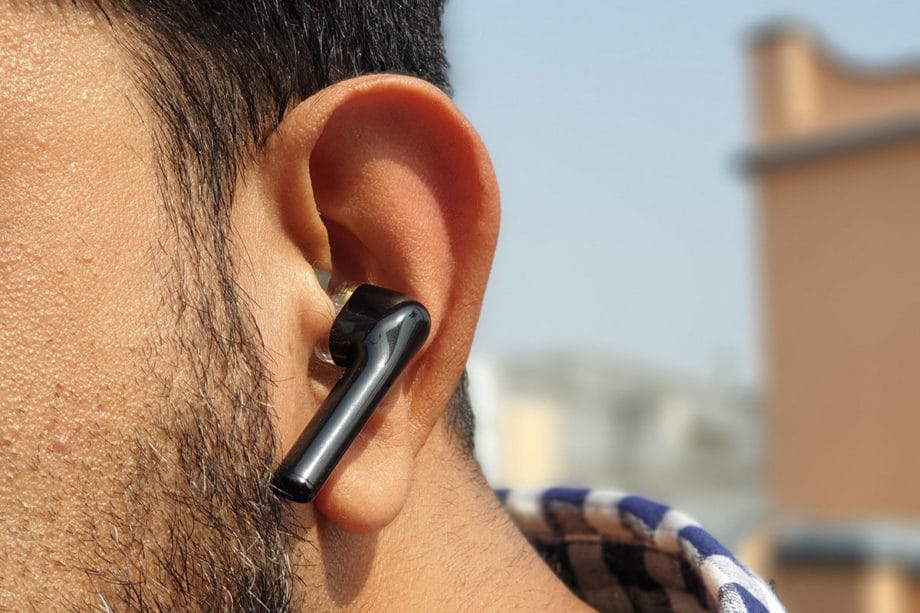
Increasing the volume to maximum levels in order to counteract environmental noise—such as traffic—significantly heightens the risk of auditory damage. A more effective strategy involves taking brief breaks or seeking quieter spaces to engage with audio content.
5. Schedule Periodic Hearing Check-Ups
Regular audiometric assessments can identify subtle changes in hearing capability, even in the absence of discomfort. Awareness and early intervention are paramount.
Final Thought
While earphones serve as an effective tool for enhancing focus and productivity, their true benefits are realized only through responsible usage. Adopting intermittent use and moderate volume levels not only protects hearing but also preserves auditory processing skills, ensuring that earphones remain an asset rather than a liability to one’s health.
Source link: Tripurastarnews.com.