In times of crisis, swiftness is paramount. Whether addressing a break-in at a business or a lone worker in peril, every tick of the clock is vital.
Alarmingly, across Utah, assistance is frequently arriving too late—not due to a lack of calls for help, but because the infrastructure intended to safeguard the populace is languishing under considerable stress.
The mounting strains on Utah’s law enforcement and emergency response units can be attributed, in part, to demographic surges. Utah perpetually ranks among the fastest-growing states in the U.S.
In the last three decades, the state has welcomed nearly half a million residents every decade, with projections indicating a population of 5.6 million by 2065.
Law Enforcement Challenges
Contributing to these pressures is a critical shortage of officers. According to the latest “Crime in Utah” report, the state is equipped with approximately 1.67 sworn officers per 1,000 inhabitants, significantly trailing the national average of 2.4.
Discussions with law enforcement officials reveal that officer retention is a growing concern. Numerous departments, especially in smaller counties, grapple with retaining personnel as they are lured away by larger urban agencies or neighboring states that offer more attractive compensation.
In light of these formidable pressures and personnel deficiencies, Utah’s police forces are recalibrating their response time standards, effectively lowering expectations.
In Salt Lake City, the police have adjusted their target for responding to critical incidents from five minutes to ten.
Recent data indicate that the average response time has escalated to approximately 14 minutes for “priority two” situations and over 30 minutes for “priority three” cases.
The Role of Technology
Investing in drone technology to enhance response efficacy and deliver real-time situational awareness. Moreover, Utah’s 911 dispatch centers are integrating artificial intelligence to manage non-emergency calls.
In Heber City, AI platforms are assisting with routine administrative duties, which allows officers to dedicate more time to pressing matters.
A noteworthy consideration is the potential contribution of the private sector in delivering tech-driven solutions, enhancing safety for both individuals and businesses across Utah.
The Emerging Safety Economy
The technology sector is witnessing a burgeoning focus on the “safety economy,” wherein private entities—including alarm providers, monitoring centers, and property managers—collaborate to elevate incident response capabilities.
When an alarm is activated at a home or business, advanced technology platforms leverage AI and smart response management to swiftly identify and dispatch the closest licensed security personnel. Often, these responders can arrive at the scene within mere minutes, frequently outpacing police response times for non-life-threatening situations.
On-site, responders assess the circumstances to determine whether police intervention is warranted. This approach not only reassures individuals and businesses but also alleviates pressure from the police to concentrate on truly life-threatening emergencies.
Hybrid Public Safety Models
This innovative model benefits both the general public and police departments. By filtering and validating incidents prior to police engagement, we can diminish unnecessary dispatches while allowing law enforcement to prioritize serious emergencies.
Simultaneously, this ensures individuals and businesses are not left in limbo during critical moments.
It is crucial to underscore that this model does not seek to supplant law enforcement. Rather, in a vibrant state like Utah, a “hybrid model” that harnesses speed through technological innovations is becoming increasingly indispensable.
Bridging the Response Time Gap
Firsthand observations reveal that prolonged response times yield tangible economic repercussions for businesses in Utah.
A delayed response to instances of burglary or vandalism can lead to lost inventory, operational interruptions, increased insurance costs, and diminished public confidence.
Moreover, the psychological strain inflicted on homeowners awaiting assistance during a crisis can be equally detrimental.
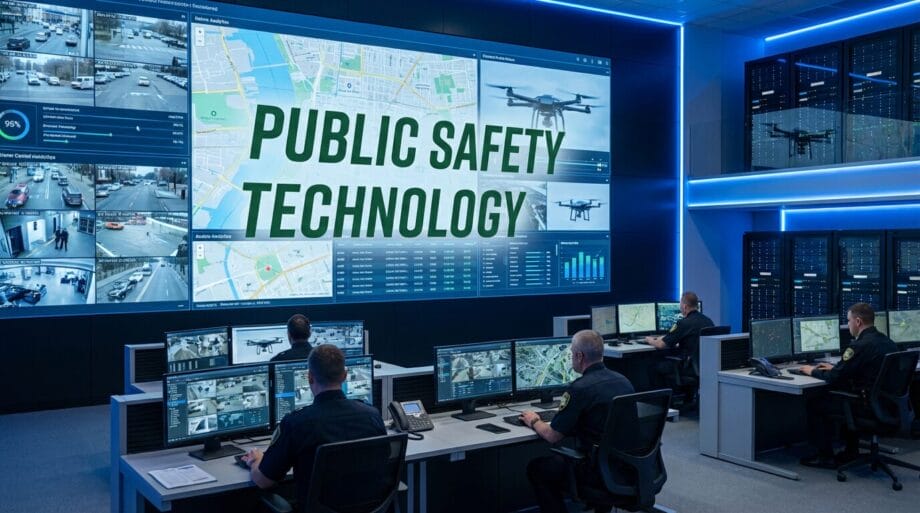
While this approach will never fully replace law enforcement, nor should it, the prudent application of technology can act as a crucial mechanism in bridging the burgeoning gap between the occurrence of an incident and the arrival of aid.
By melding public services with the latest advancements in safety technology, we can ensure that when Utahns seek help, assistance is expediently dispatched.
Source link: Deseret.com.