The foldable smartphone landscape has evolved beyond a mere gimmick; it now embodies a clash of contrasting technological ideologies.
The Google Pixel 11 Pro Fold and the Samsung Galaxy Z Fold8 represent disparate methodologies in crafting ultra-premium devices.
Google emphasizes advanced computational photography, resplendent displays, and smart software integration, whereas Samsung relies on sheer performance, rapid charging, and unparalleled multitasking capabilities.
Each device comes with a jaw-dropping price of $1,900, making the decision between them contingent on individual user preferences regarding flagship functionalities. Below is a meticulous comparison of these two foldable giants.
Design and Display: Durability Meets Brilliance
When scrutinizing build quality, it becomes evident that durability has ascended to prominence. The Google Pixel 11 Pro Fold combines a glass-ceramic front with a Gorilla Glass Victus 2 rear and an aluminum chassis, boasting an impressive IP68 rating, ensuring robust protection against dust and water intrusion.
Conversely, Samsung employs a combination of Gorilla Glass Ceramic 3, Victus 2, and its proprietary Armor Aluminum, augmented with innovative Flex Titanium technology.
However, the Galaxy Z Fold8 achieves only an IP48 rating, crowning Google as the definitive winner in environmental safeguarding.
In the realm of display technology, the Pixel excels mightily. Its immense 8-inch LTPO OLED inner display showcases a 1:1 aspect ratio with a staggering peak brightness of 3600 nits, rendering it a formidable platform for multimedia consumption. The cover display is equally commendable, measuring 6.5 inches.
Slightly more compact, Samsung’s Galaxy Z Fold8 features a 7.6-inch Dynamic LTPO AMOLED 2X inner display paired with a 5.5-inch cover screen.
Although its peak brightness reaches 3000 nits, which lags behind Google’s offering, the anti-reflective coating enhances outdoor visibility. Nevertheless, the Pixel retains the crown for expansiveness and luminance.
Performance and Battery: Raw Power vs. Everyday Endurance
Delving into the performance, it becomes evident that the approaches of these tech behemoths diverge significantly.
The Pixel 11 Pro Fold is powered by the 3nm Google Tensor G6, supported by a standard 16GB of RAM across its storage variants. Running on Android 17, it is finely tuned to leverage Google’s AI capabilities.
Conversely, the Galaxy Z Fold8 stands as a powerhouse, outfitted with Qualcomm’s 3nm Snapdragon 8 Elite Gen 5 and offering up to 16GB of RAM, easily eclipsing the Tensor chip in terms of pure performance metrics and sustained gaming efficiency. Paired with Samsung DeX, the Fold8 reigns supreme in mobile productivity.
Battery longevity and charging offer further points of contention. The Pixel sports a slightly larger 4806mAh battery with 30W wired charging.
It also features 25W magnetic Qi2.2 wireless charging and battery-preserving bypass charging. In contrast, Samsung’s 4800mAh battery supports considerably faster 45W wired charging and includes 4.5W reverse wireless charging, rendering it suitable for users seeking rapid power enhancements.
Cameras: Computational Magic vs. High-Res Video
Camera work on foldables has traditionally trailed behind their conventional counterparts, but this generation marks a significant progression.
The Pixel 11 Pro Fold showcases a versatile triple-camera system: a 48MP main sensor, a 10.5MP ultrawide, and a commendable 10.8MP telephoto lens with 5x optical zoom.
Coupled with Pixel-exclusive features like Zoom Enhance, Best Take, and Ultra-HDR, it is poised to deliver exceptional still images, especially at extended ranges.
In a surprising twist, the Galaxy Z Fold8 forgoes the dedicated telephoto lens, offering instead a dual-camera configuration comprising a 50MP main sensor and a 50MP ultrawide lens.
While it cedes ground in optical zoom, Samsung makes significant strides in the video arena, boasting 8K recording at 30fps and ultra-smooth 4K recording at 120fps.
Pricing and Final Verdict
Both foldable devices are launched globally at an approximate price of $1,900, though regional differences exist—with the Galaxy Z Fold8 retailing slightly lower in India at around ₹180,000, compared to the Pixel’s ₹187,000.
Ultimately, the Google Pixel 11 Pro Fold emerges as the more compelling overall choice for the typical premium consumer.
Its broader, brighter displays, superior IP68 protection, and dedicated 5x telephoto lens furnish a more enriching flagship experience.
That said, it’s crucial to acknowledge that power users might gravitate towards the Samsung Galaxy Z Fold8.
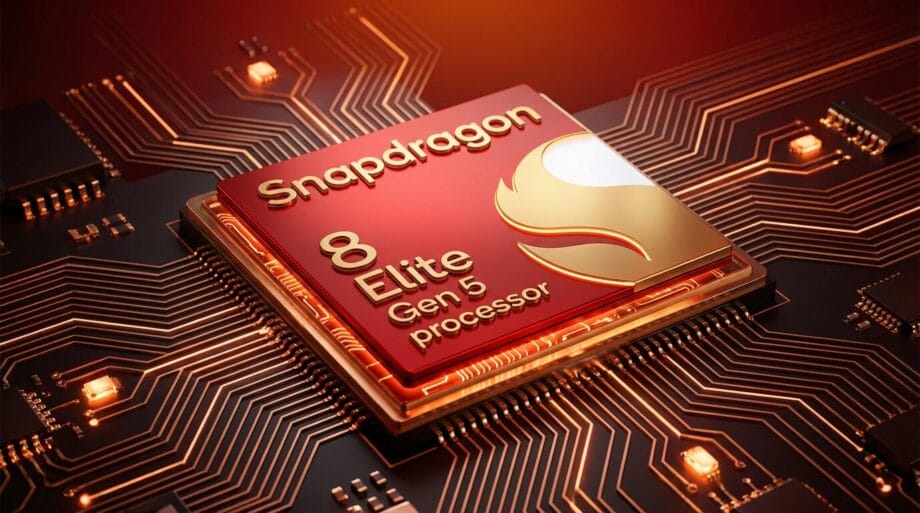
For those who prioritize extensive multitasking, elite mobile gaming, and the advantages of Samsung DeX, the Snapdragon 8 Elite Gen 5 solidifies the Galaxy as an unrivaled productivity powerhouse.
Pixel 11 Pro Fold & Samsung Galaxy Z Fold8 Specs Comparison
| Feature | Google Pixel 11 Pro Fold | Samsung Galaxy Z Fold8 |
| Build & Protection | Glass-ceramic, Victus 2, Aluminum, IP68 | Ceramic 3, Victus 2, Flex Titanium, IP48 |
| Inner Display | 8.0″ LTPO OLED (120Hz, 3600 nits) | 7.6″ Dynamic AMOLED 2X (120Hz, 3000 nits) |
| Cover Display | 6.5″ OLED (120Hz, 3600 nits) | 5.5″ Dynamic AMOLED 2X (120Hz) |
| Processor | Google Tensor G6 (3nm) | Snapdragon 8 Elite Gen 5 (3nm) |
| RAM | 16GB Standard | 12GB / 16GB |
| Storage Options | 256GB / 512GB / 1TB | 256GB / 512GB / 1TB |
| Rear Cameras | 48MP Main, 10.5MP Ultrawide, 10.8MP 5x Telephoto | 50MP Main, 50MP Ultrawide |
| Front/Cover Cameras | 10MP Inner, 10MP Cover | 10MP Inner, 10MP Cover |
| Video Capabilities | Up to 4K at 60fps | Up to 8K at 30fps, 4K at 120fps |
| Battery | 4806mAh | 4800mAh |
| Charging (Wired) | 30W | 45W |
| Charging (Wireless) | 25W magnetic Qi2.2 | 20W (plus 4.5W reverse wireless) |
| Software | Android 17 (7 years of updates) | Android 17 / One UI 9 (7 years of updates) |
| Special Features | Bypass charging, Satellite SOS, UWB | Samsung DeX, UWB, High-bitrate audio |
| Estimated Price | ~$1,900 / ₹187,000 | ~$1,900 / ₹180,000 |
Source link: Nokiamob.net.