Apple is reportedly gearing up to foray into the foldable smartphone arena with a device provisionally dubbed the iPhone Ultra Fold.
This eagerly awaited gadget marries Apple’s quintessential design ethos with cutting-edge foldable display technology.
While it is poised to unveil exhilarating innovations, it also presents certain trade-offs that could affect its market reception.
Analyzing the potential offerings and challenges that accompany this device reveals an intriguing narrative.
Design and Build: Compact, Durable, and Premium
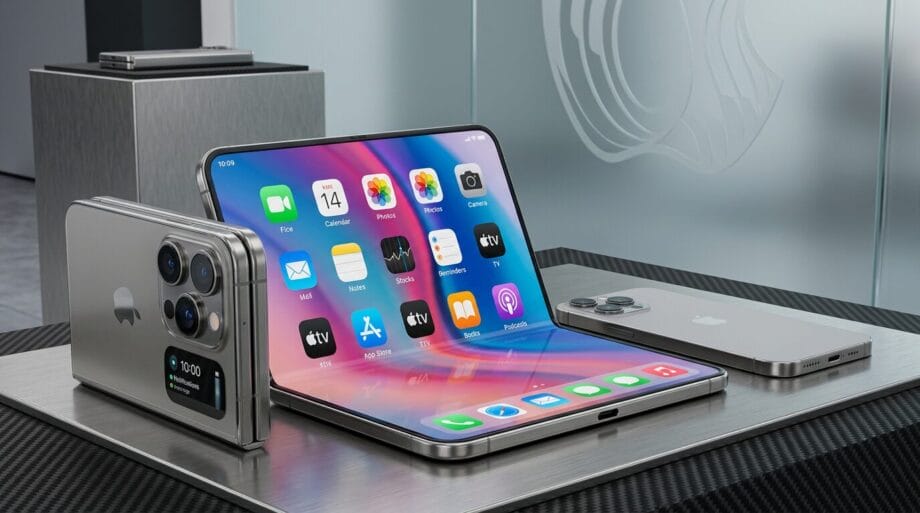
The iPhone Ultra Fold is expected to boast a sophisticated, compact design that exemplifies Apple’s commitment to premium craftsmanship.
At the heart of its design resides a hinge constructed from liquid metal alloy, a material renowned for its remarkable durability and resistance to degradation.
This selection aims to address the prevalent concern of hinge longevity that haunts many foldable devices.
By employing liquid metal, Apple aspires to ensure that the device withstands repeated folding without sacrificing its structural robustness, thereby setting a new precedent for durability in the realm of foldable technology.
The foldable display is anticipated to provide a near-seamless experience, with minimal creasing upon unfolding.
This expansive screen could metamorphose the device into a versatile tool, offering an experience akin to a tablet, ideal for multitasking, multimedia consumption, and productivity.
With an augmented functional capacity, the iPhone Ultra Fold may even stand shoulder to shoulder with smaller tablets like the iPad Mini, presenting an enticing option for users in search of a portable yet potent device.
Software and Functionality: iPad-Inspired Multitasking
Apple’s expertise in software design is poised to play a crucial role in the efficacy of the iPhone Ultra Fold.
It is anticipated that the device will run an enhanced iteration of iOS, incorporating multitasking capabilities inspired by the iPad. Potential features include:
- Side-by-side application functionality to facilitate efficient multitasking.
- Drag-and-drop features to simplify workflows.
- An intuitive split-screen interface designed specifically for the larger unfolded display.
These enhancements aim to maximize the utility of the foldable screen, positioning the device as a formidable asset for both productivity and creativity.
Furthermore, the foldable design introduces unique applications, such as functioning as an enhanced camera viewfinder.
Users may preview shots on the larger screen—a trait that could captivate photography aficionados. However, the rumored absence of a telephoto lens might constrain its versatility for specific photography genres, likely disappointing consumers who depend on sophisticated camera capabilities.
Potential Compromises: Innovation Meets Trade-Offs
Even as the iPhone Ultra Fold heralds remarkable advancements, it is not without some notable compromises.
One major alteration appears to be the rumored substitution of Face ID with Touch ID, likely integrated into the power button.
This transformation may arise from technical hurdles associated with embedding Face ID within a foldable design.
While Touch ID remains a dependable alternative, some users could find this shift less convenient or groundbreaking compared to Apple’s sophisticated facial recognition technology.
Another conceivable limitation is the reliance on iOS, as opposed to a more flexible operating system like iPadOS.
Although the larger screen affords more room for multitasking, the software constraints may render the device less versatile than an iPad for certain productivity tasks.
This may prove to be a drawback for satisfied users seeking a device that seamlessly bridges the divide between smartphones and tablets.
Market Impact: Apple’s Role in Shaping Foldable Technology
The iPhone Ultra Fold is set to significantly influence the foldable smartphone market, powered by Apple’s robust brand recognition and ecosystem integration.
With a projected price tag exceeding $2,000, the device clearly targets the high-end consumer segment, appealing to devoted Apple enthusiasts and pioneering technology adopters.
Apple’s entry into the foldable sector might catalyze the mainstream embrace of this innovative technology.
By establishing high benchmarks for design, functionality, and durability, Apple may compel competitors to refine their own offerings, ultimately benefiting the consumer landscape.
The seamless integration with Apple’s ecosystem, encompassing services such as iCloud, AirDrop, and additional proprietary tools, could augment the device’s allure, rendering it an enticing option for users already entrenched in Apple’s vast product ecosystem.
Challenges: Hurdles to Overcome
Despite its promise, the iPhone Ultra Fold must surmount several challenges that could impede its success.
Development delays remain a tangible risk, given that the complexities inherent in foldable technology may spawn unforeseen production obstacles.
Moreover, the high price point may constrict its accessibility, relegating it to a niche market instead of achieving widespread adoption.
Additional compromises, such as the lack of a telephoto camera and the transition from Face ID to Touch ID, may deter prospective buyers.
These trade-offs underscore the intricate dance of balancing innovation with practicality in a foldable design. Furthermore, initial availability could be limited owing to production complexities, potentially exasperating enthusiastic consumers.
The Future of Foldable Technology
The iPhone Ultra Fold epitomizes Apple’s ambition to penetrate the foldable smartphone sector.
Armed with a durable liquid metal hinge, iPad-inspired multitasking capabilities, and an expansive unfolded display, the device possesses the potential to redefine the paradigm of foldable phones.
However, compromises like the absence of Face ID and a telephoto camera, alongside potential production delays, illuminate the challenges of introducing such a pioneering product to market.
If successful, the iPhone Ultra Fold could solidify Apple’s reputation as a forerunner in technological innovation while simultaneously reshaping the trajectory of foldable devices.
By establishing a new benchmark for design and utility, Apple stands poised to attract not only its loyal clientele but also to influence the broader course of the foldable smartphone industry.
Source link: Geeky-gadgets.com.