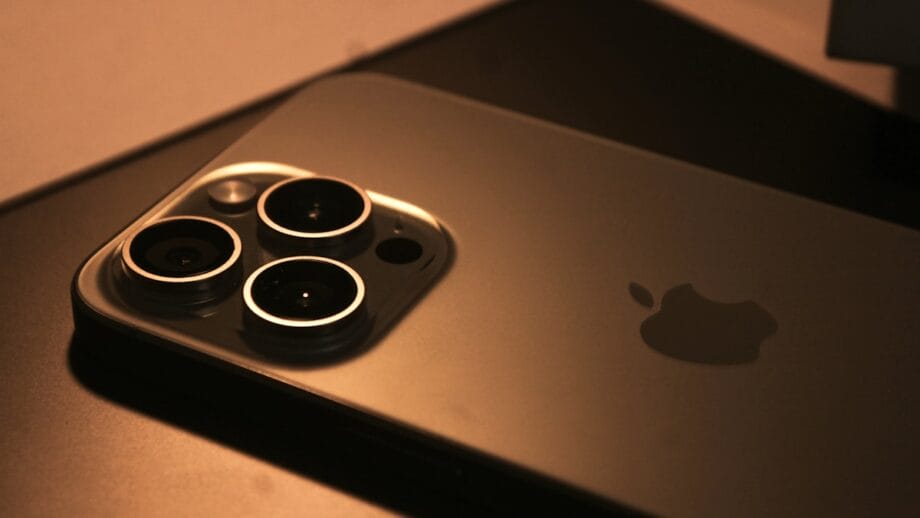
Apple is poised to incorporate an innovative LOFIC camera sensor into its 2027 iPhone offerings, heralding a substantial enhancement in photographic fidelity. This revelation comes from a South Korean tech publication, referencing insights from industry insiders.
This strategic shift has the potential to transform mobile photography, addressing the persistent difficulty of capturing intense light contrasts in a singular frame.
Revolutionizing Image Capture with LOFIC Technology
LOFIC, or Lateral Overflow Integration Capacitor, enables each pixel on a sensor to accommodate a significantly greater volume of light data. This functionality mitigates the risk of overexposed highlights and indistinct shadows.
The outcome is a remarkable expansion of dynamic range, with projections of achieving up to 20 stops. This capability nears that of both the human eye and high-end cinematic cameras.
A patent submitted by Apple in July illustrates a design that employs a stacked sensor architecture, featuring distinct layers for light capture and processing.
This advanced structure is also advantageous in terms of compactness, a critical factor for the sleek profiles of modern smartphones. Currently, Apple utilizes sophisticated sensors provided by Sony in its iPhone lineup.
The Competitive Arena of Smartphone Cameras
Apple’s venture into LOFIC technology is not isolated; various Chinese smartphone manufacturers are also racing to adopt these advancements. The Korean blog “yeux1122” on Naver indicates that brands such as Honor, Xiaomi, and Huawei plan to integrate new Sony LOFIC sensors into their flagship models by 2026.
This development paves the way for an impending contest in camera technology. Apple’s anticipated adoption in 2027 would follow these initial deployments in the market.
It is likely that the tech giant is formulating its proprietary sensor rather than relying solely on Sony’s offerings.
This timeline positions the new sensor for introduction alongside a potentially groundbreaking, bezel-less anniversary iPhone model. Such a device is already the subject of speculation regarding its radical design.
The incorporation of a LOFIC camera sensor could represent the most significant enhancement to iPhone photography in years, directly tackling a fundamental limitation of contemporary smartphone imaging.
Insights You May Find Interesting
What is the meaning of LOFIC in the realm of camera sensors?
LOFIC signifies Lateral Overflow Integration Capacitor. This specialized design enables camera pixels to manage a much broader spectrum of light, effectively preventing images from exhibiting excessive brightness or darkness. In what ways does LOFIC enhance iPhone photography?
This technology facilitates simultaneous capture of details in both extremely bright and shadowy areas, resulting in more balanced, life-like representations, particularly in high-contrast scenarios.
This advancement is expected to yield superior photographs of sunsets or backlit subjects without the need for post-processing. Which companies are at the forefront of developing LOFIC technology?
Sony is a principal developer of these advanced image sensors. Apple has also initiated the filing of its own patents for custom LOFIC designs.
Moreover, Chinese companies such as Xiaomi and Honor are set to incorporate this technology in their smartphones as soon as next year. When can we expect LOFIC sensors to debut in smartphones?
The first smartphones equipped with LOFIC sensors are anticipated to hit the market in 2026. According to industry projections, Apple aims to implement this technology in its 2027 iPhone range, suggesting mainstream adoption within the forthcoming years. Why is dynamic range a crucial metric in photography?
Dynamic range gauges a camera’s capacity to discern details in both shadows and highlights simultaneously. An elevated dynamic range contributes to more authentic and aesthetically pleasing imagery, particularly under challenging lighting conditions.
Source link: Inews.zoombangla.com.