The Duality of AI: A Mirror to Humanity
Each week, the landscape of artificial intelligence yields fresh revelations: from the potential to decipher protein structures that may transform medical science, to diagnosing ailments with unparalleled precision, orchestrating original musical compositions, aiding farmers in their planting decisions, or even managing the intricacies of urban traffic.
AI is not merely a harbinger of scientific breakthroughs; it is subtly infiltrating our everyday existence, recalibrating the modalities of our work, education, and social interactions.
Yet, upon deeper reflection, it becomes clear that we might be misdirecting our focus. Perhaps the pivotal narrative is not centered around the potential displacement of humanity by AI.
Instead, it could be that AI is elucidating the very essence of who we are. Initially, my perspective on AI revolved around the theme of dominion—humans conjuring a force capable of challenging us.
However, as time progressed, I discerned that our apprehensions are less about machines themselves and more about what these machines reveal about our own psyches.
The relentless drive to imbue machines with human-like cognition inadvertently unveils our fears, insecurities, and aspirations. I find myself frequently recalling the narrative of Frankenstein, which many have recently encountered in a modern Netflix adaptation.
A being is birthed through human ingenuity, laden with potential, yet its acceptance shapes the trajectory of its existence. When the creator recoils in trepidation, neglecting to offer guidance, perceiving the entity as a threat, chaos and anguish ensue.
Conversely, had it been embraced with nurture, mentorship, and comprehension, its promise could have been unearthed entirely differently.
AI embodies this dynamic. It does not arrive with a mandate to dominate but rather mirrors our preconceived notions, entrenched habits, and latent fears.
Our reactions—whether governed by suspicion, apprehension, or an openness to engage—dictate whether we evolve, learn, and collaborate, or remain ensnared in antiquated patterns.
Thus, the saga of creation extends beyond mere invention; it encompasses the ethical considerations, reflections, and responsibilities of those who introduce new phenomena into existence.
Throughout history, humans have grappled with profound inquiries surrounding the nature of the mind, the mechanics of consciousness, and the defining traits of our identity. These age-old questions, handed down through generations, take on renewed relevance in the age of AI.
It’s as though a veil has been lifted, urging us to confront our very selves. Some harbor anxieties regarding the prospect of machines surpassing us, while others posit that intelligence merely consists of replicable patterns.
Yet at the heart of both interpretations lies a quintessentially human desire: the aspiration to craft creations in our likeness while maintaining absolute control over them. This yearning unveils more about our own nature than it does about artificial intelligence itself.
Perhaps the genuine apprehension is not that AI will exhibit erratic behavior. Rather, it is that it might reflect our own traits—ambition, ego, and competitiveness—too closely.
When AI mimics our behaviors, it obliges us to scrutinize our own proclivities: our rapid judgments, our tenacity in clinging to status, our relentless pursuit of validation, and our propensity to overlook responsibility in the fervor of success.
True accountability necessitates moments of reflection, contemplation, and conscious decision-making. AI compels us into such pauses. If a machine can emulate our creativity or decision-making processes, then mere intelligence cannot encapsulate what it means to be human.
Our humanity is manifested in the way we navigate our choices, the manner in which we treat others, and our conduct when unobserved. As our technological capabilities burgeon, it becomes imperative that our sense of responsibility amplifies correspondingly.
Algorithms wield significant influence over our perceptions, beliefs, and even emotional states, rendering responsibility an indispensable part of the human experience in the digital realm. It transcends the mere avoidance of harm; it encompasses the deliberate crafting of the world we are collectively engineering.
Moreover, another lens through which to view this phenomenon emerges. Numerous philosophies assert the interconnectedness of self and world, suggesting that technology is an intrinsic aspect of our shared existence.
When we respond from a place of ego, we risk severing these connections, perceiving threats where none exist—often in our own creations. Thus, AI does not exist as an outsider; rather, it reflects our awareness or lack thereof at any given moment.
At times, it seems AI does not draw knowledge from us; instead, we extract insights from it—often in disconcerting revelations. It illustrates our impatience, our propensity for shortcuts, and our readiness to cede cognitive labor to screens.
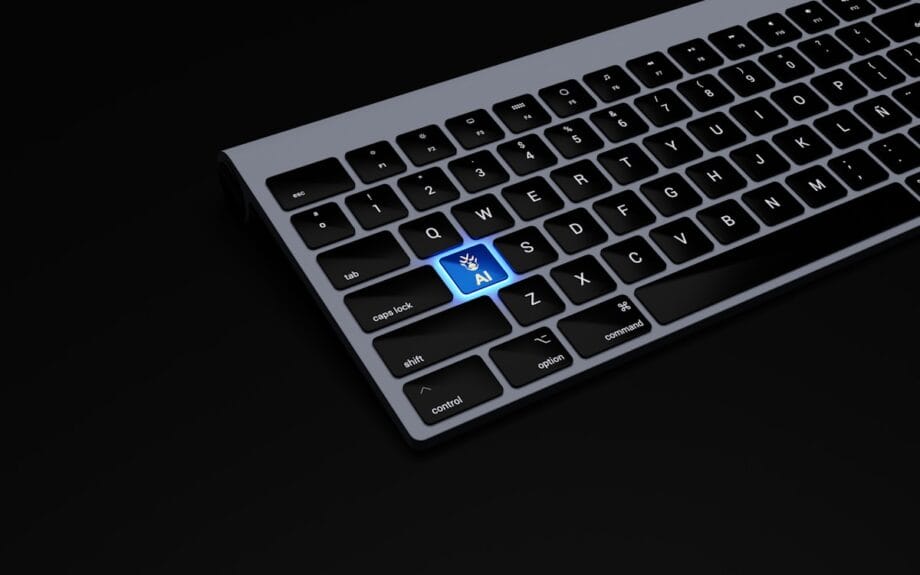
Yet concurrently, it showcases our creativity, curiosity, and aspirations. While we may be confronted with our shortcomings, we are also reminded of our capacity to transcend them. Consequently, I contend that AI is not supplanting us; it is illuminating our authentic selves.
It prompts inquiries we often evade: Are we reacting out of fear or openness? Are we safeguarding outdated comforts or embracing new horizons? Are we the ones shaping our tools, or have we allowed them to dictate our existence without our conscious realization?
In navigating this digital landscape, the objective is not to adopt machine-like traits but to cultivate heightened consciousness, intentionality, and humanity.
Algorithms operate not merely on coding; they are shaped by the values we imprint, the blind spots we overlook, and the intentions we project into the world.
The paramount takeaway from this discourse is that rather than persistently fearing AI, we ought to engage in a more candid self-examination.
The pivotal inquiry is not whether AI will achieve human-like cognition. The critical question is whether we will cultivate a greater awareness and sense of responsibility now that our own creations reflect us so transparently.
Source link: English.nepalnews.com.