Exploring the Role of Mirrorless Cameras in Content Creation
In the contemporary landscape of digital content creation, the emphasis on high-quality imagery is paramount.
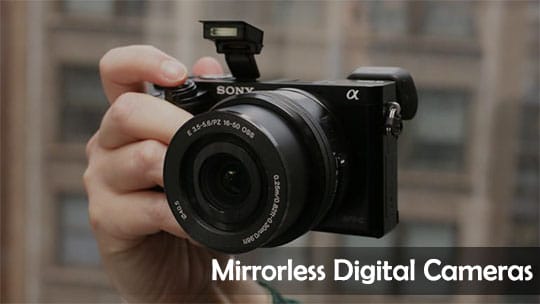
A surge in the adoption of mirrorless cameras is evident among creators, attributed to their proficiency with interchangeable lenses, digital viewfinders, and robust video recording capabilities housed within compact frameworks.
These devices are further enhanced by cutting-edge autofocus systems and 4K recording, proving indispensable for both still photography and dynamic video production.
Online platforms feature a diverse array of mirrorless cameras from reputable brands such as Canon, Sony, Nikon, and Panasonic.
For those considering a purchase on Flipkart, we have compiled a list of seven models tailored to various photographic pursuits, including travel, vlogging, and everyday shooting.
Featured Mirrorless Cameras
The Canon EOS R100 serves as an ideal bridge for users transitioning from smartphone photography to the realm of interchangeable-lens cameras. It boasts a 24.1-megapixel APS-C CMOS sensor and employs the RF mount system.
This camera comes equipped with the RF-S 18-45mm F4.5-6.3 IS STM lens, supporting Full HD video recording alongside automatic subject detection capabilities. Its compact design facilitates seamless wireless connectivity.
Key Specifications:
- 24.1 MP APS-C CMOS Sensor
- RF Mount Support
- RF-S 18-45mm IS STM Lens Included
- Dual Image Stabilization
- Wi-Fi and Bluetooth Connectivity
- MP4 Video Format Support
This model is particularly well-suited for those seeking an uncomplicated entry into the RF ecosystem.
The Sony Alpha ZV‑E10 is crafted for creators specializing in video content. It features a 24.2-megapixel APS-C CMOS sensor and supports a range of interchangeable lenses through Sony’s E-mount system.
Included in the package is a 16-50mm power zoom lens. The camera excels with fast autofocus and face tracking, essential for dynamic video recording. Built-in microphones and external mic compatibility further enhance voice capture during vlogging.
Key Specifications:
- 24.2 MP APS-C Sensor
- Sony E-mount Lens System
- Optical Image Stabilization
- 4K Video Recording
- 3x Optical Zoom in Kit Lens
- Flip Screen for Video Recording
The Panasonic Lumix DMC‑G85, utilizing the Micro Four Thirds system, incorporates a 16-megapixel sensor that supports interchangeable lenses.
This camera is adept at recording 4K video and leverages a dual stabilization system that amalgamates in-body stabilization with lens stabilization. Its weather-sealed construction is ideal for outdoor environments.
Key Specifications:
- 16 MP Micro Four Thirds Sensor
- Dual Image Stabilization System
- 4K Video Recording
- Articulating Touchscreen Display
- Weather-Sealed Body
The Sony Alpha A6100 is tailored for users in search of rapid autofocus and versatile lens options. Featuring a 24.2-megapixel APS-C sensor and the BIONZ X processor, it includes a pair of lenses: a 16-50mm zoom and a 55-210mm telephoto lens. Its real-time eye autofocus and subject tracking are invaluable for capturing fast-moving scenes.
Key Specifications:
- 24.2 MP APS-C Sensor
- BIONZ X Processor
- Real-Time Eye AF Tracking
- Dual Lens Kit (16-50mm and 55-210mm)
- 425 Phase Detection AF Points
- 4K Video Recording
The Nikon Z30 emerges as a strong contender for creators focused on both video and travel photography, featuring a 20.9-megapixel DX-format sensor compatible with the Nikon Z mount system.
The kit includes an 18-140mm zoom lens, equipping users for diverse shooting scenarios. It supports 4K UHD recording without cropping and incorporates a flip touchscreen.
Key Specifications:
- 20.9 MP DX-Format CMOS Sensor
- Nikon Z Mount
- 4K UHD Video Recording
- Flip Touchscreen Display
- Built-In Stereo Microphone
- External Microphone Support
Through the lens of innovation, the Fujifilm X-T4 presents an APS-C format camera, marking Fujifilm’s commitment to evolving from film to digital paradigms.
This model integrates in-body image stabilization, crucial for reducing movement-induced distortion during handheld shooting.
Housing a 26.1-megapixel sensor, it offers 4K video recording at a frame rate of up to 60 fps and features a versatile touchscreen that can pivot to accommodate varying angles. The Fujifilm X mount lends itself to numerous lens options.
Key Features:
- 26.1 MP APS-C Sensor
- In-Body Image Stabilization
- 4K Video Recording up to 60fps
- Touchscreen Display
- Interchangeable Lens Support
Lastly, the Nikon Z fc aligns with the Z series lineage, employing the same APS-C sensor found in the Nikon Z50 and utilizing the Nikon Z mount lens system.
This camera captures 4K UHD video at 30 frames per second while facilitating still image capture through its 20.9-megapixel sensor. Manual control dials and a rotating display ensure ease during self-recording.
Key Features:
- 20.9 MP APS-C Sensor
- 4K UHD Video Recording
- Flip Display
- Z Mount Lens Compatibility
- Manual Control Dials
Ten Considerations When Choosing a Mirrorless Camera
Investing in a mirrorless camera necessitates a comparative analysis of various technical attributes that significantly influence performance outcomes in photography and videography.
Platforms like Flipkart catalog numerous offerings from brands such as Sony, Canon, Nikon, Panasonic, and Fujifilm. To aid potential buyers, the following criteria should be examined:
1. Sensor Size and Resolution
The dimensions of the sensor critically impact image quality and video fidelity. Mirrorless cameras typically utilize APS-C, Micro Four Thirds, or full-frame sensors. Larger sensors tend to capture more light, while resolution—measured in megapixels—dictates image detail.
2. Lens Compatibility
Each mirrorless camera is coupled with specific lens mounts. Prior to acquiring a camera, verify the range of compatible lenses available. Interchangeable lenses allow for diverse setups, covering wide-angle, zoom, and portrait photography.
3. Autofocus System
The autofocus mechanism is pivotal when tracking dynamic subjects. Many contemporary mirrorless cameras boast features like face detection and subject tracking, enhancing capabilities for sports, wildlife, or video documentation.
4. Video Recording Capability
Numerous creators opt for mirrorless cameras precisely for video functionality. Confirm if the model offers 4K resolution and supports frame rates such as 30fps or 60fps. Some variants may also provide slow-motion recording and external microphone compatibility.
5. Image Stabilization
Image stabilization is essential for minimizing blur induced by hand movement. Certain models incorporate in-body stabilization, while others utilize stabilization within the lens, proving beneficial for video and handheld photos.
6. Display and Viewfinder
A rotating or flip display enhances flexibility for video recording or self-portraits. Additionally, some cameras feature electronic viewfinders, permitting users to frame shots without reliance on the rear display.
7. Connectivity Options
Wireless functionalities allow for expedited transfer of images and videos to mobile devices or computers. A majority of mirrorless cameras integrate Wi-Fi or Bluetooth for swift file sharing and remote operation.
8. Battery Life
The capacity of the battery dictates the duration of operation during photography or video sessions. Some models facilitate USB charging or the use of backup batteries, catering to extended shoots.
9. Portability and Weight
A significant attraction of mirrorless cameras lies in their compactness compared to DSLRs. Weight and dimensions are critical for travel photography or prolonged shooting endeavors.
10. Budget and Accessories
The camera body constitutes only a fraction of the total investment. Prospective buyers should account for costs related to lenses, memory cards, tripods, microphones, and additional batteries.
Source link: Hindustantimes.com.