Quick Summary
Authentication in custom app development should be built from day one, not added later. Starting early strengthens security, reduces development costs, improves user experience, and ensures compliance with data protection laws. It also builds user trust, protects brand reputation, simplifies scaling, and gives developers clear guidelines.
In a world of rising data breaches, early authentication isn’t optional – it’s the foundation of a secure, scalable, and reliable app.
Introduction
Developing a personalized app is quite a thrilling project, yet the statistics convey the message of a grave concern: over 1.35 billion individuals have reported cases of data breaches in 2024 in the United States alone. Moreover, approximately 75 percent of mobile applications have at least one security vulnerability, which provides a simple access point to attackers.
This is why authentication is not something that can be done at the end of the development. It is not something that is added after the fact; it is a pillar that you develop on day one. You can contribute to the safety of your users, you can save time, and you can build with confidence when you design authentication early in the development of your custom application.
Why Early Authentication Matters in App Development?
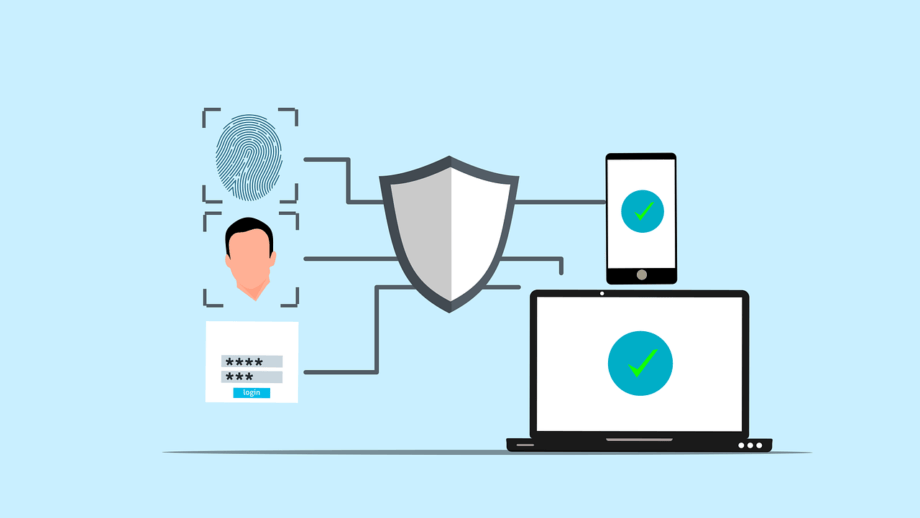
Authentication does not mean only a system of login. It is a process of confirmation of identity, access control, and protection of data. When you add it early, you get your app safer, smoother, and easier to scale.
Now, we shall find out why authentication in the early stages is an indispensable requirement for any custom app project.
1. Keeps Your App Secure from the Start
Every app is based on security. You can secure your app by ensuring that you add authentication at the beginning of the development.
Hackers are usually seeking vulnerabilities. The powerful login system assists you in blocking unauthorized access. It also ensures that sensitive information is not exposed.
When you wait to fix it later, your application might already have concealed security vulnerabilities. It is more difficult and costly to repair them. The initial user authentication will provide strong protection at the initial stage.
2. Saves Development Time and Cost
Late authentication may bring numerous issues. Developers would have to re-develop big portions of the application, update the back-end systems, and test everything again.
This causes delays and increased costs.
However, when you are starting with your own custom app development and including authentication, this is a natural extension of the design. You save time, save money, but assure long-term stability.
Example: Think of building a house. Strong locks are easier to install when the doors are being built- not after the house has been completed.
3. Builds User Confidence
Users are confident in applications that safeguard their personal information. Therefore, authentication with a secure age verification software signals to users that you are committed to protecting their privacy.
Users are more likely to become registered, pay, and remain loyal when they are assured that they are safe.
Example: Banking applications are based on fingerprints or face recognition to log in. This creates a sense of credibility and makes the users have confidence in the platform. The same concept can be used in your custom application development.
4. Ensures Legal and Data Privacy Compliance
Data protection laws such as GDPR exist in many countries. These regulations mandate that applications maintain the privacy and safety of their user’ information.
Authentication is the easiest way to comply with these legal standards when done at an early stage. You will be able to manage adequate data storage, password encryption, and access control at the very onset.
This spares you legal inconvenience in the future. You have to plan early to ensure your app meets all rules and is viewed as reliable by users.
5. Improves User Experience (UX)
Good security does not need to be complex. Authentication can be positive, though, when done early.
Customers like having easy access to log-in systems through OTPs, biometrics, or social media log-ins. These ensure that it is easy and fast to sign in.
When you come up with authentication late, it may be hard to fit it into your app; it will not come naturally. However, it can be made smoothly designed by having it planned early to fit in with your app design and flow.
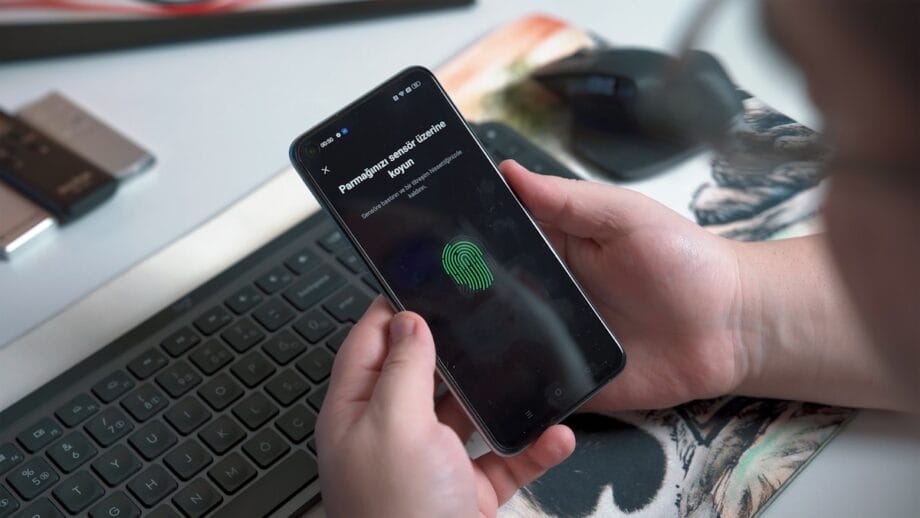
6. Prevents Data Breaches and Unauthorized Access
A hacker’s favorite target is a weak or missing authentication system. When your app is hacked, the loss may be enormous in terms of money and reputation.
With solid user authentication, you thwart it before it occurs. You may add protective features such as two-factor authentication (2FA) or token-based access.
Early security planning ensures your app stays secure as it grows and attracts more users.
7. Makes Scaling and Updates Easier
New features, permissions, and roles will be added to your app as it grows. These updates are easy if your authentication system is already built correctly.
You can add and remove access levels and user login options, and you can also create and maintain user groups without interrupting your app.
When authentication is started alongside the custom app development, scaling up becomes effortless and safe.
8. Helps Developers Work with Clear Guidelines
Early authentication provides the developers with a clear structure. It specifies user roles, permissions, and security rules prior to the start of coding.
This prevents confusion and ensures the whole team is on track. The developers can also create and test new features more quickly because they understand how the authentication system should operate.
When everyone is initially subjected to the same security rules, it is simpler to design, test, and deliver a safe product.
9. Protects Brand Reputation
One security breach is enough to damage your brand image forever. Users lose confidence in the applications that do not secure their data.
This initiates the authentication process, a sign of responsibility and concern for user privacy. It generates credibility and a good reputation for the business.
Example: There are numerous cases of large corporations losing their data through leaks. These problems could have been avoided by early authentication planning. This is why security needs to be a priority from the beginning.
10. Easier to Manage Than Fixing Later
Early authentication will make your life easier. Login systems can be tested when you are developing other features. You are able to correct minor errors at earlier stages rather than deal with significant issues in the future.
Waiting till the end makes it harder to redesign or reengineer your design or backend systems.
It is always better to get it right at the very beginning – clean, basic, and safe. Early authentication promotes efficient operations and reduces development migraines.
FAQs

1. Why is early authentication so critical during custom app development?
The early authentication prevents security vulnerabilities in your app before it is launched. It provides secure data management, instills confidence in the user, and saves time and expense over implementing security measures during later development stages.
2. What happens if authentication is added after the app is developed?
Late addition of authentication can create conflicts in the code, security issues, and increased development expenses. It may also necessitate structural change and increase the potential risk of data breaches after the app is already in use.
3. What type of authentication is best for custom apps?
Two-factor authentication (2FA), multi-factor authentication (MFA), and OAuth 2.0 are the most appropriate techniques. These systems integrate passwords with biometrics or OTPs to generate powerful and convenient security when developing custom apps.
Conclusion

Starting authentication early in custom app development is one of the smartest decisions you can make.
It is a secure way to protect your app, save time, strengthen user confidence, and safeguard your brand. It also enables you to comply with the laws of privacy and ensure that your application is safe to expand.
In modern society, consumers are highly concerned with the privacy of data. They desire to feel secure when using your app. This is why user authentication must not be a second or third priority.
An excellent application is not just a matter of design and functionality. It also depends on safety, reliability, and consistent protection. And all that begins with early authentication.