Quick Summary
Computer vision is transforming workplace safety by shifting organizations from reactive incident response to proactive risk prevention. By using AI to analyze real-time camera footage, companies can automatically detect hazards, unsafe behaviors, and ergonomic risks before they lead to accidents. This technology improves situational awareness in complex environments, captures near-miss data that often goes unreported, and provides actionable insights for safer workflows.
With consistent monitoring and data-driven analysis, organizations can strengthen safety culture, reduce injuries, and implement targeted improvements. When deployed transparently and paired with strong processes, computer vision becomes a powerful foundation for building safer, smarter, and more resilient workplaces.
Introduction
Workplace safety is shifting from a reactive to a proactive model, driven by new technologies that identify risks before incidents occur. Instead of only analyzing events after the fact, organizations are now able to anticipate and mitigate hazards in real time. This change is largely powered by artificial intelligence, specifically computer vision, which gives safety professionals a new and powerful tool for protecting their teams.
Computer vision turns everyday camera infrastructure into a continuous source of safety intelligence. Rather than relying on periodic walkarounds, manual inspections, or paper-based reporting, teams can use real-time detection and structured insights to reduce exposure to hazards. This is especially valuable in large or complex facilities, where risk can change quickly across shifts, production cycles, weather conditions, and staffing levels. When safety leaders can see patterns early, they can intervene sooner, train more effectively, and build safer routines into day-to-day operations.
Proactive Hazard Identification
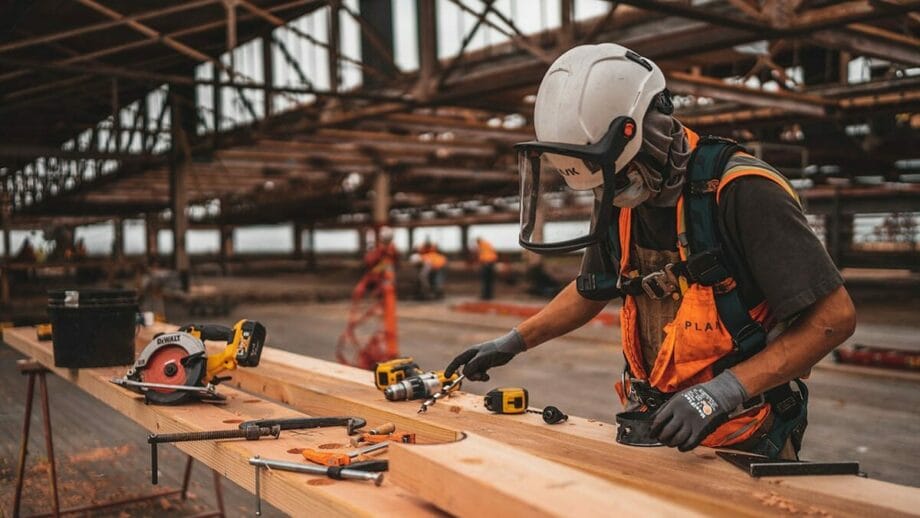
Computer vision systems use existing cameras to continuously monitor work environments. These platforms analyze video feeds to detect unsafe conditions and behaviors that could lead to an accident. Unlike human observers who cannot be everywhere at once, an AI-powered system offers constant vigilance across vast facilities. This allows safety teams to spot risks that might otherwise go unnoticed.
This technology is particularly effective at identifying common but often overlooked physical hazards. It can recognize and flag numerous issues, providing immediate opportunities for correction. Some examples include:
- Spills or debris creating slip and trip hazards.
- Blocked exits, fire extinguishers, or emergency eyewash stations.
- Improperly stacked materials that could fall or collapse.
- Workers entering restricted or high-risk zones without authorization.
The most important advantage here is speed. In many workplaces, the difference between a near miss and a serious injury is a matter of minutes. When hazards are detected quickly, supervisors can address the issue before it becomes normalized. Over time, this reinforces better habits. Teams become more consistent about keeping walkways clear, maintaining safe storage, and respecting zone boundaries, because the environment is continuously supported by detection, alerts, and follow-up workflows.
Proactive hazard identification also improves consistency. Manual inspection quality can vary depending on experience, time constraints, or workload. Computer vision provides a standardized layer of monitoring that does not drift from shift to shift. This creates a more dependable baseline that safety teams can build on, especially when running multi-site operations where consistent enforcement is often difficult to achieve.
Improving Ergonomics and Reducing Strain
Musculoskeletal injuries resulting from poor ergonomics are a persistent challenge in many industries. Computer vision offers a way to address these issues with objective data. The technology can analyze the postures and movements of employees as they perform their tasks, identifying motions that create physical strain. This includes awkward lifting techniques, excessive bending or twisting, and highly repetitive actions.
By capturing this information, organizations gain precise insights into ergonomic risks. This data can highlight specific tasks or workstations that need redesign. It also provides a foundation for targeted coaching, helping employees adopt safer body mechanics. This proactive approach helps prevent strain-related injuries before they develop into chronic conditions, supporting long-term employee health and productivity.
Ergonomics improvements are often difficult to prioritize because the harm accumulates gradually. Workers may not report discomfort immediately, and managers may not see clear signals until absenteeism or injury claims rise. Computer vision can bridge this gap by identifying risk exposure early and consistently. That enables practical interventions such as adjusting task rotation schedules, repositioning materials, improving lift-assist usage, or redesigning workflows that force repeated awkward movements.
Another benefit is that ergonomic programs can become more personalized and role-specific. Rather than giving broad training that may not apply to certain tasks, safety teams can focus coaching on the highest-risk movements seen on the floor. That makes training feel relevant to workers, and relevance increases adoption. When workers understand that the goal is reducing strain and protecting their bodies long term, ergonomics initiatives become easier to sustain.
Enhancing Situational Awareness in Complex Environments
Dynamic environments like warehouses, manufacturing plants, and construction sites present complex safety challenges. The constant movement of people, heavy equipment, and materials creates a high potential for collisions and other serious incidents. Computer vision enhances situational awareness by providing an extra set of eyes in these busy operational areas.
AI-powered systems can monitor interactions between pedestrians and vehicles like forklifts, alerting supervisors to near-miss events or unsafe behaviors. The technology can detect when a person walks too close to moving machinery or when a vehicle is operating at an unsafe speed. By flagging these dangerous interactions in real time, managers can intervene immediately to prevent an accident. This continuous monitoring helps reinforce safe operating procedures and creates a more protected environment for everyone on site.
Situational awareness is not only about immediate alerts. It is also about identifying the conditions that repeatedly create risk. For example, a facility might discover that near misses spike at a particular intersection where sight lines are poor, or that congestion increases at certain times due to scheduling patterns. With enough data, teams can redesign traffic plans, adjust one-way systems, modify pedestrian routes, improve signage, or change staging practices to reduce conflict between people and equipment.
In many settings, the riskiest events occur during transitions, such as shift changes, break times, or peaks in throughput. Continuous monitoring makes it easier to understand how operational tempo affects safety exposure. This can support more realistic staffing and planning decisions that reduce pressure, rushed behavior, and risky shortcuts.
Streamlining Incident Data and Analysis
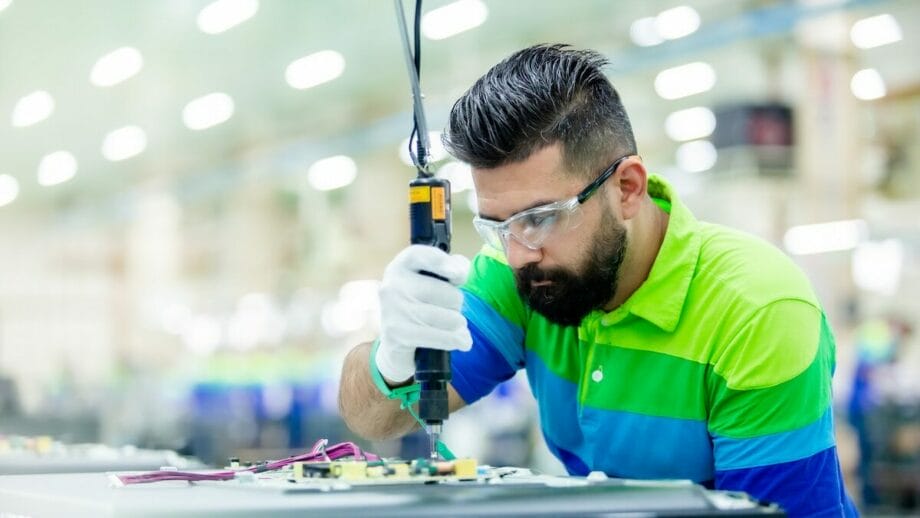
A significant challenge in traditional safety management is that many minor incidents and near-misses go unreported. This missing information creates an incomplete picture of workplace risk, making it difficult to identify recurring problems. Computer vision helps solve this by automatically detecting and logging these events, creating a comprehensive dataset for analysis.
This wealth of information allows safety professionals to move beyond lagging indicators like injury rates and focus on leading indicators, the unsafe behaviors and conditions that precede incidents. Analyzing these patterns can reveal systemic risks and highlight areas needing attention, from process changes to additional training. This data-driven method enables more strategic and effective safety interventions that are based on a clear view of what is actually happening in the workplace.
Another practical advantage is time saved. Safety teams often spend large portions of their week collecting information, consolidating reports, and trying to reconcile inconsistent records from different departments or sites. Automated event capture and structured data reduce administrative burden, allowing safety professionals to focus on interventions that improve outcomes. It also supports clearer communication with leadership, because the story is backed by consistent evidence.
Data quality also improves over time. When organizations can compare sites, shifts, or departments on the same metrics, they can identify what good looks like and replicate it. This is essential for scaling successful safety programs. Instead of guessing which initiative made a difference, teams can validate impact through measured reductions in risk exposure and unsafe behaviors.
Turning Insights Into Measurable Improvements
Adopting these advanced safety tools gives organizations a clearer path to preventing incidents. The insights gathered can be transformative. For example, a global retailer saw an 80% drop in workplace incidents after deploying AI video analytics. This data-driven approach allows safety professionals to move beyond simple compliance and build a genuinely proactive safety culture.
What makes these improvements sustainable is the feedback loop. When risks are detected, logged, and reviewed, safety leaders can implement targeted actions and then monitor whether those actions reduce risk exposure. That creates a continuous improvement cycle that is difficult to achieve with periodic inspections alone. Over time, organizations can shift from reacting to incidents to managing risk as an ongoing operational discipline.
Measurable improvements also help justify investment. Safety leaders often struggle to secure a budget because the benefits are seen as indirect. Computer vision supports clearer reporting on reduced risk exposure, reduced unsafe acts, and improved compliance behaviors. This makes it easier to demonstrate value to senior stakeholders and sustain safety programs long term.
Implementation Considerations for Real-World Adoption
To get strong results, organizations need to implement computer vision with clear goals and sensible change management. The first step is typically choosing the risk categories that matter most. In some sites, that might be vehicle and pedestrian interaction. In others, it may be PPE compliance, zone entry control, housekeeping, or ergonomics. Starting with a focused scope helps teams design effective workflows for alerting, escalation, and corrective action.
It is also important to define what happens after detection. Alerts should be actionable and routed to the right people. If the process for responding is unclear, teams can experience alert fatigue. Strong implementations prioritize signal quality, focus on the highest-risk events, and create simple follow-up routines that fit the realities of busy operations.
Finally, scaling requires alignment. Multi-site rollouts work best when organizations define common standards but allow local adjustments. A centralized dashboard can provide consistency while still giving site leaders flexibility to address unique layouts, equipment, and procedures.
Building Trust and Supporting Privacy
Any technology that relies on video feeds can raise questions from employees. Trust is crucial. The most successful programs are transparent about purpose and boundaries. The objective is to reduce risk and protect workers, not to punish individuals. Many organizations also adopt privacy-first approaches that focus on safety events rather than personal identity.
Communication is a practical safety control in itself. When workers understand what is being monitored, why it matters, and how it supports safer operations, acceptance tends to increase. Engagement can improve further when employees can see tangible results, such as fewer incidents, fewer close calls, and better working conditions driven by evidence rather than guesswork.
Why Computer Vision is a Foundation for the Next Safety Era
Computer vision is shaping the future of workplace safety because it supports a prevention-first approach. It strengthens hazard identification, improves situational awareness, and enables data-driven interventions that scale across complex operations. It also helps organizations move from fragmented reporting to structured insights, giving safety teams the visibility they need to act early and consistently.
As adoption continues, the organizations that benefit most will be those that treat computer vision as part of a broader safety system. When paired with strong leadership, clear procedures, practical training, and a culture of shared accountability, AI-powered monitoring becomes a powerful enabler of safer workplaces. The result is not only fewer incidents, but also a more resilient operation where safety is embedded into how work is done every day.