Quick Summary
AI is rapidly becoming the backbone of the modern web in 2026, transforming how content is created, discovered, and experienced. From generative AI that powers text, visuals, and code to semantic search delivering smarter results, these AI tools are redefining user interaction and efficiency.
Automation platforms are enabling zero-code workflows, while AI chatbots provide 24/7 intelligent support. Predictive personalization enhances user experiences, and AI-driven security and performance tools ensure safer, faster websites.
In short, AI is no longer optional – it’s essential for building scalable, user-centric web platforms. Businesses that embrace these innovations will lead the future of digital experiences.
Introduction
The pace of innovation in artificial intelligence (AI) continues to accelerate, and 2026 promises to be a defining year for tools that are reshaping how we interact with the web. From smarter search experiences to powerful automation assistants, AI tools are no longer experimental add‑ons – they’re core technologies powering modern web services and user experiences.
In this article, we’ll explore the major AI tools transforming the web today, how they work, and why every developer, business owner, and tech enthusiast should pay attention in 2026.
1. Generative AI Platforms: The New Creative Backbone

Generative AI tools have exploded in popularity, empowering anyone to create content – from text and images to videos and code – without great technical skills. These platforms use advanced neural networks to understand prompt inputs and generate outputs that closely resemble human creativity.
Text and Content Generation
Generative text AI tools can write articles, craft marketing copy, and even debug code. Their ability to understand tone, intent, and structure means web publishers and bloggers can produce polished drafts faster than ever. For instance, advanced large‑language models can generate human‑like articles in minutes, saving hours of manual writing.
Visual and Multimedia Creation
Beyond text, AI is redefining creative workflows with tools that turn simple prompts into high‑quality visuals and video content. Whether it’s generating custom graphics for a landing page or producing video clips from still images, these tools democratize media creation on the web.
Key Impact on the Web:
- Faster content creation and ideation.
- Reduced reliance on expensive design teams.
- Personalized experiences with AI‑generated visuals.
2. Semantic Search Engines: Smarter, More Relevant Results
Traditional keyword‑based search is evolving into semantic search thanks to AI. Rather than matching literal phrases, semantic search understands user intent, context, and meaning – delivering results that are more relevant and engaging.
AI‑powered search engines can interpret questions in natural language and provide answers instead of just links. This evolution is transforming how information is accessed on the web, giving users more accurate responses with fewer clicks.
Benefits:
- Improved user satisfaction with precise results.
- Enhanced content discoverability for websites.
- Better retention on platforms with smart search features.
3. Automators and Workflows: Zero‑Code Efficiency
AI automation tools are replacing manual workflows across digital platforms. These solutions connect different web services and automate repetitive tasks without coding. From triggered email campaigns to auto‑sorting customer data, AI‑powered workflows save countless hours.
Apps like AI‑based automation suites allow users to build complex logic flows visually, integrating databases, APIs, and communication channels seamlessly. For businesses, this means faster onboarding funnels, real‑time notifications, and better data consolidation – all without relying on large engineering teams.
Why It Matters:
- Reduces operational costs.
- Speeds up business processes.
- Enables non‑technical staff to build powerful automations.
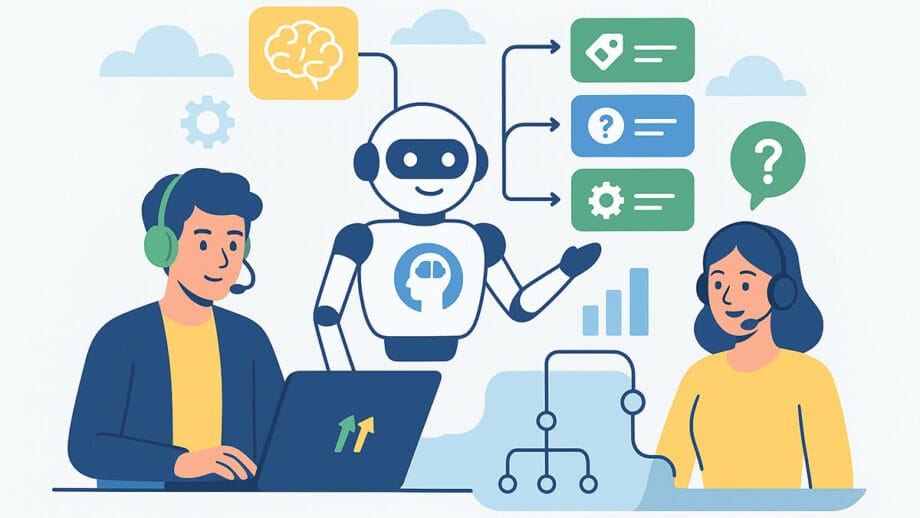
4. Chatbots and Conversational Interfaces: 24/7 Intelligent Support
AI‑driven chatbots are now mainstream across e‑commerce sites, blogs, and service portals. They interact with visitors in real time – answering questions, guiding purchases, and resolving customer issues without human intervention. These conversational interfaces use NLP (natural language processing) to understand user problems and generate helpful responses.
Modern chatbots go beyond predefined responses: they learn from user interactions, personalize conversations, and escalate complex issues when needed. This makes them a vital part of web engagement strategies.
Transformative Benefits:
- Faster customer support with 24/7 availability.
- Reduced support costs.
- Improved engagement and conversions.
5. Predictive Personalization Engines
AI isn’t just reactive – it’s predictive. Tools that analyze user behavior can anticipate needs and tailor web experiences in real time. For example, e‑commerce sites now use AI engines that recommend products based on browsing history, user preferences, and even seasonal trends.
These systems use machine learning algorithms to continuously optimize recommendations, boosting conversions and user satisfaction. Websites that integrate predictive AI see deeper engagement and enhanced retention, creating experiences that feel uniquely crafted for each visitor.
Impact on Web UX:
- Personalized recommendations that increase sales.
- Content suggestions based on user interests.
- Higher engagement through adaptive interfaces.
6. AI Security Monitors: Smarter Defense for Web Platforms
As websites become increasingly complex, the risks they face evolve as well. AI-powered security tools analyze traffic patterns, user behavior, and system logs to identify unusual activity that may signal cyberattacks or data breaches. Over time, these intelligent systems learn from emerging threat vectors and continuously strengthen defenses – an approach often implemented by a forward-thinking web development company to ensure robust and adaptive website security.
Unlike static rule‑based firewalls, AI security tools can spot subtle patterns that humans might miss – identifying suspicious activity before it becomes a problem. For web administrators, this means proactive security with fewer alerts and more accurate threat evaluation.
Key Advantages:
- Faster threat detection.
- Reduced false positives.
- Smarter resource protection.
7. AI in Performance Optimization
Fast loading times and peak performance are vital for web experiences. AI tools now optimize site performance by dynamically managing resources like image compression, script loading, and CDN usage. These solutions analyze page traffic patterns and adapt delivery strategies to keep sites responsive under all conditions.
By reducing bandwidth and processing loads intelligently, AI ensures that sites run smoothly even during traffic spikes. For developers and site owners, this translates into happier users and better SEO outcomes.
The Future of AI in Web Innovation

Looking at today’s landscape, it’s clear that AI tools are no longer optional – they are essential to building competitive, scalable, and user‑centric web platforms. From personalized recommendations to intelligent automation, these technologies are redefining how the digital world operates.
For companies looking to move beyond off-the-shelf solutions, partnering with specialized providers can enable deeper integration and the creation of customized solutions that align closely with business objectives and user expectations.
What to Watch in 2026
- AI‑driven content ecosystems that generate, optimize, and personalize at scale.
- Multi‑modal AI interfaces combining voice, text, and visual interactions.
- Self‑healing web systems that automatically identify and fix performance or security issues.
- Augmented reality experiences powered by AI analytics.
AI’s impact on the web will only grow stronger through 2026 and beyond. Whether you’re a developer, business leader, or digital enthusiast, understanding and adopting these tools will be crucial to staying ahead in the age of intelligent web innovation.