Concerns Arise Over Gift Received by Canadian Prime Minister
OTTAWA — During a recent diplomatic visit, China’s Premier Li Qiang, the nation’s second-ranking politician, presented Prime Minister Mark Carney with a premium “action camera” accompanied by a selfie stick. Security analysts now advise Carney to discard the device forthwith.
In addition to the camera, Carney’s visit to Beijing last month yielded promises to moderate tariffs on Canadian canola and adjustments to border duties on select Chinese electric vehicles.
Recent submissions to the federal ethics commissioner illuminate a variety of diplomatic tokens acquired by the prime minister during this visit.
While the exchange of gifts between political figures is commonplace, these disclosures reveal the specific items China sought to showcase to the Canadian delegation.
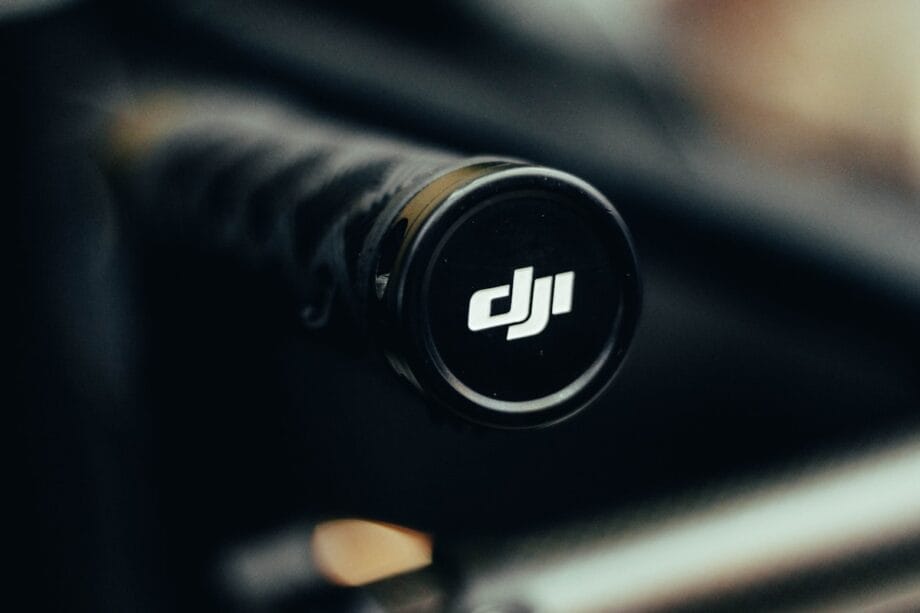
Significantly, Premier Li Qiang gifted Carney a DJI-brand Osmo action camera, a selfie stick, and two bottles of exquisite Chinese ice wine.
Furthermore, Carney exited his engagement with President Xi Jinping not only with the camera but also with an olive-shaped bas-relief vase and a painting depicting Beijing’s National Centre for the Performing Arts from its president, Wang Ning.
The prime minister’s office has not yet commented on whether Carney intends to retain these gifts; notably, they are not recorded as forfeited in the commissioner’s database.
DJI is a prominent Chinese multinational renowned for its dominance in the drone industry. Its Osmo series of handheld cameras is gaining traction against North American competitors like GoPro.
This suggests that Chinese leaders, such as Li, aim to promote DJI’s offerings, and having foreign dignitaries seen with their products serves as a strategic promotional tactic.
However, the use of DJI products raises substantial national security and privacy alarms.
The United States has classified DJI as a “Chinese Military Company,” implementing restrictions on the utilization of their drones within government frameworks.
Last year, the Royal Canadian Mounted Police (RCMP) announced similar limitations on Chinese-made drones due to “high security risks,” as reported by Radio-Canada.
Given these concerns, national security experts interviewed by the National Post unanimously recommend that Carney divest himself of the camera.
While they deem it improbable that the camera is compromised, they maintain that a Canadian official should not publicly endorse a foreign product fraught with security concerns.
“If it were my choice, I would express my gratitude courteously and ensure it remains unused or dispose of it entirely,” suggested Dennis Molinaro, a former national security analyst.
“DJI signifies one of China’s most illustrious global brands, and gifting such items endorses a narrative of soft power: that Chinese technology is innovative, pervasive, and benign,” asserted the author of Under Assault: Interference and Espionage in China’s Secret War Against Canada.
“Dispose of it,” urged Thomas Juneau, a professor at the University of Ottawa’s Graduate School of Public and International Affairs.
He elucidated that utilizing the camera would convey a message of endorsement — “this technology is commendable, and it is dependable,” remarks that should be avoided.
Former National Security and Intelligence Advisor Jody Thomas echoed similar sentiments, recommending “dispose” as well.
She highlighted that former Prime Minister Justin Trudeau had also encountered a comparable gift from Chinese officials early in his administration.
“Did not use,” she noted via text message.
Federal conflict of interest regulations permit politicians to accept diplomatic gifts as customary gestures, provided they align with the standard dignitaries typically receive in their roles.
Nonetheless, these stipulations mandate that any gifts exceeding a commercial value of $1,000 must be forfeited.
Source link: Ca.news.yahoo.com.