Tesla Ceases Use of “Autopilot” in Marketing to Maintain California Operations
Tesla has acquiesced to eliminating the term “Autopilot” from its promotional materials in California, a strategic move aimed at facilitating continued sales in its preeminent US market.
- The electric vehicle manufacturer can persist in producing and selling cars in California following its commitment to refrain from “Autopilot” references in advertising.
- California authorities contended that the “Autopilot” designation misled consumers to believe they could rely solely on the technology.
- The state plays a pivotal role in Tesla’s market, housing two significant production facilities and serving as the company’s largest sales environment.
This decision averts an impending 30-day suspension of Tesla’s dealer and manufacturing licenses in California, necessitated by the removal of the contentious term.
The latest development follows an order from state regulators two months prior, demanding that the automaker cease the use of “Autopilot” in its marketing endeavors.
On Tuesday, the California Department of Motor Vehicles (DMV) confirmed that Tesla had undertaken the required steps for compliance, adhering to a December ruling concerning the promotion of its driver-assistance technologies.
In November 2023, the DMV charged Tesla with misleading consumers regarding its systems, labeled “Autopilot” and “Full Self-Driving,” suggesting that these vehicles possessed capabilities for autonomous driving.
This resolution marks a significant chapter in a protracted legal struggle spanning three years between Tesla and California regulators. The state is crucial for Tesla, representing its largest sales arena and the location of two manufacturing hubs.
“Autopilot” denoted Tesla’s Level-2 driver-assistance feature, inclusive of lane tracing and adaptive cruise control. The then-designated “Full Self-Driving” encompassed Level-3 assistance, where the vehicle undertook steering and braking operations but necessitated the driver’s immediate attention and readiness to assume control.
An administrative judge determined in November 2025 that Tesla’s continued use of “Autopilot” contravened California law, recommending the suspension of the company’s licenses for 30 days should the branding persist in marketing.
The DMV endorsed the judge’s findings in December, yet stayed the suspension indefinitely and granted Tesla a 60-day period to comply.
Prior to this ruling, Tesla had revised its “Full Self-Driving” branding to “Full Self-Driving (Supervised)” in September 2024, clarifying that the system operated with “minimal driver intervention.”
In January, Tesla eliminated its “Autopilot” packages for new vehicles in the United States and Canada, discontinuing the $8,000 up-front payment option for “Full Self-Driving (Supervised).”
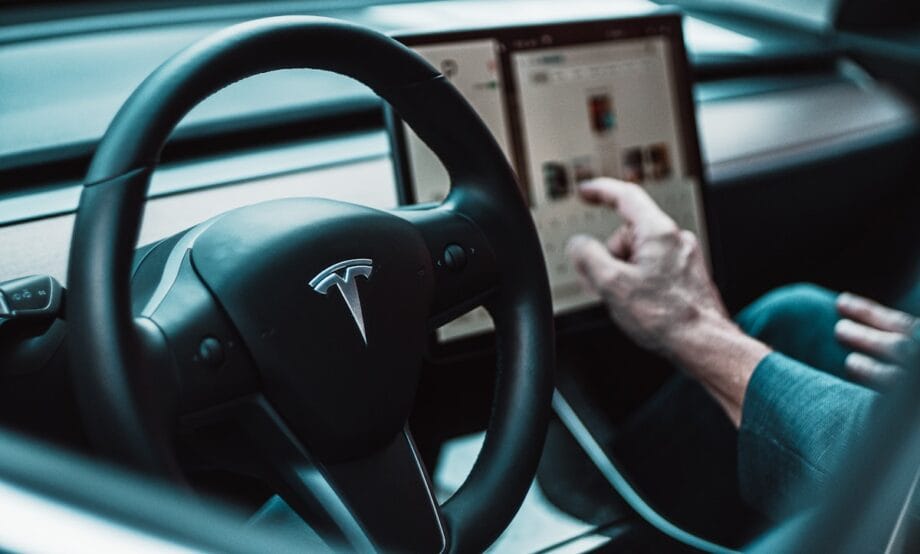
The revised approach confines “Full Self-Driving (Supervised)” to a $99 monthly subscription plan, thereby intertwining Tesla’s ambitions for self-driving technology with ongoing software revenue streams.
This pivot to subscription-based offerings plays a crucial role in CEO Elon Musk’s aspirations for a potentially lucrative pay framework worth trillions.
Source link: Aol.com.