Huawei Unveils Innovative Diabetes Risk Assessment Tool for Watch GT 6 Pro
Huawei has introduced a groundbreaking health update for its Watch GT 6 Pro, featuring a novel application designed to evaluate diabetes risk without the need for invasive measures.
This addition addresses a long-standing demand among smartwatch consumers, positioning Huawei at the forefront of this emerging technology.
Unveiled at the World Health Expo 2026 in Dubai, the updated device incorporates a “Diabetes Risk” application. It is crucial to clarify what this functionality entails: the watch does not function as a conventional blood glucose meter, nor will it provide direct readings in mmol/L or mg/dL.
Instead, Huawei’s system utilizes photoplethysmography (PPG) technology, which monitors fluctuations in blood volume, in conjunction with various other sensors.
Over a span of three to 14 days, the watch gathers and analyzes multiple data points. Following this observation period, the Diabetes Risk app delivers its findings.
This approach is significant because it delineates user expectations. Huawei’s offering is based on a longitudinal analysis of patterns rather than immediate blood glucose levels typically obtained from finger-prick testing.
For individuals seeking quick and accurate readings, this feature does not supplant the established methods of test strips or continuous glucose monitors.
Moreover, practical considerations limit its applicability. Currently, the Watch GT 6 Pro is not available in the United States, thereby excluding a substantial segment of the smartwatch market from utilizing this feature.
Even in regions where the watch is purchased, the claims made regarding its functionality remain in the realm of “trust, but verify.”
Independent validation of the feature is still pending, and it has yet to undergo comparative analysis against established continuous glucose monitoring devices. Until such validation occurs, it is prudent to regard the insights offered as informative rather than clinically definitive.
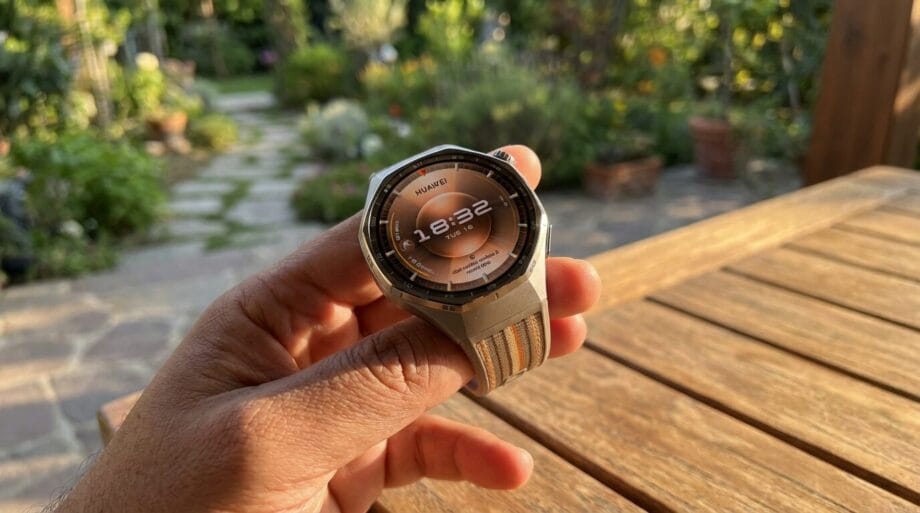
Huawei emphasizes that this tool is not intended to replace professional medical diagnosis. If the company’s assertions regarding accuracy withstand thorough examination, the technology may prove significant: a mainstream smartwatch equipped with everyday sensors could potentially identify risk trends, fostering proactive health management and more informed discussions with healthcare providers.
At this juncture, the update presents an intriguing development, albeit accompanied by the typical caveats associated with truly novel health features in consumer technology.
Source link: Inews.zoombangla.com.