Apple Watch’s Blood Pressure Feature Not a Substitute for Regular Testing
Recent research underscores that the Apple Watch’s capability to identify signs of high blood pressure should not replace conventional screening methods.
Experts caution that users may fall prey to “false reassurance,” emphasizing the necessity for ongoing blood pressure assessments via traditional cuff devices.
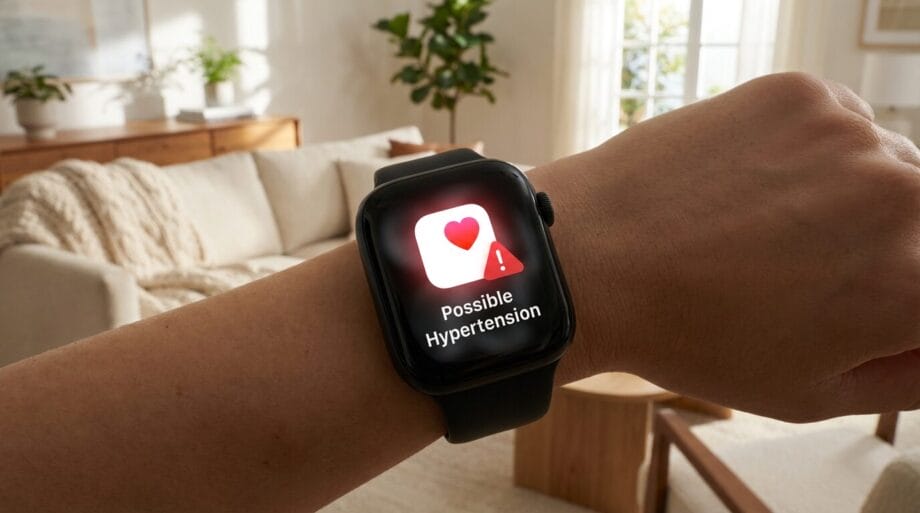
The device’s hypertension notification feature, according to Apple, is “not intended to diagnose, treat, or aid in managing hypertension or other related conditions such as blood clots, strokes, atrial fibrillation, congestive heart failure, or high cholesterol.”
The company clarifies that not every individual grappling with high blood pressure will receive notifications, and notably, the Apple Watch is unable to detect heart attacks.
This feature is designed to identify patterns of chronic hypertension through a heart sensor assessing data over a 30-day span.
A recent study from researchers at the University of Utah Health and the University of Pennsylvania revealed that the U.S. Food and Drug Administration (FDA) granted approval for this feature last year.
Published in the Journal of the American Medical Association, the researchers analyzed Apple’s data to understand the technology’s real-world implications.
“According to Apple’s reported performance metrics, 41.2% of individuals with undiagnosed hypertension are likely to receive alerts, while 58.8% will not,” the researchers noted.
Moreover, among those without hypertension, 92.3% would remain unalerted, while 7.7% might receive erroneous notifications.
The findings indicate “moderate evidence” for confirming hypertension and “weak evidence” for ruling it out. The study suggests that the absence of an alert provides more comfort to younger adults, while older adults, who are at a heightened risk for high blood pressure, are less reassured.
The research team concluded, “With over 200 million Apple Watch users globally, the hypertension notification feature creates opportunities to identify previously undiagnosed hypertension, albeit with the risk of misclassification.”
A significant number of individuals may gain awareness of their hypertension, yet an even larger group may remain unnotified.
Apple has made it clear that this feature is designed to encourage users to seek clinical evaluations should hypertension be suspected, rather than serving as a diagnostic tool.
However, the potential for false reassurance could deter undiagnosed individuals from pursuing necessary screenings, ultimately missing crucial opportunities for early detection and intervention.
Limitations of the study hinge on the reliance upon Apple’s sensitivity and specificity estimates, which may not comprehensively portray the device’s performance.
An accompanying editorial from experts at Harvard School of Public Health highlights a significant caveat: “59% of individuals with undiagnosed hypertension who wear the Apple Watch will not receive alerts.” This shortfall could foster a dangerous false sense of security, delaying timely care.
Professor Bryan Williams, chief scientific and medical officer at the British Heart Foundation, remarked on high blood pressure’s insidious nature: It remains symptomless and is often dubbed the silent killer.
Untreated, it results in tens of thousands of preventable heart attacks and strokes annually in the U.K. Up to five million people are estimated to be unaware of their hypertension.
He advocates for improved access to blood pressure testing, noting, “Smart technology can be beneficial for those wishing to monitor their health. The potential alerts regarding hypertension can motivate users to seek formal testing.”
Nevertheless, he cautions against reliance solely on this wearable technology for detecting high blood pressure; most individuals with undiagnosed hypertension would not receive sufficient alerts.
Stressing the importance of traditional cuff-based devices, Williams emphasizes that they remain indispensable for accurate blood pressure assessments.
Source link: Devonlive.com.