Google’s Pixel 9a Captivates Holiday Shoppers Amid Apple’s Dominance
Recent data reveals that Google’s Pixel 9a resonated strongly with consumers during the holiday season, a period typically ruled by Apple in the United States smartphone market.
The US smartphone landscape remains firmly under Apple’s command. The statistics corroborate this assertion. In Q4 2025—the holiday period—Apple seized a remarkable 69% share of the total smartphone market, an increase from 65% in 2024.
This upward trajectory occurred despite a meager 1% growth across the broader US smartphone market during the same timeframe.
Counterpoint reports that the stagnant growth can largely be attributed to the sub-$300 category, which faced “weaker demand” and a decline of 7% year-over-year. Notably, Motorola emerged as the leading player in this segment, thanks to the timely release of its Moto G (2026) series.
The segment that experienced the most significant growth, however, was the mid-range price tier, ranging from $300 to $600, which Counterpoint indicates expanded by 27% year-over-year.
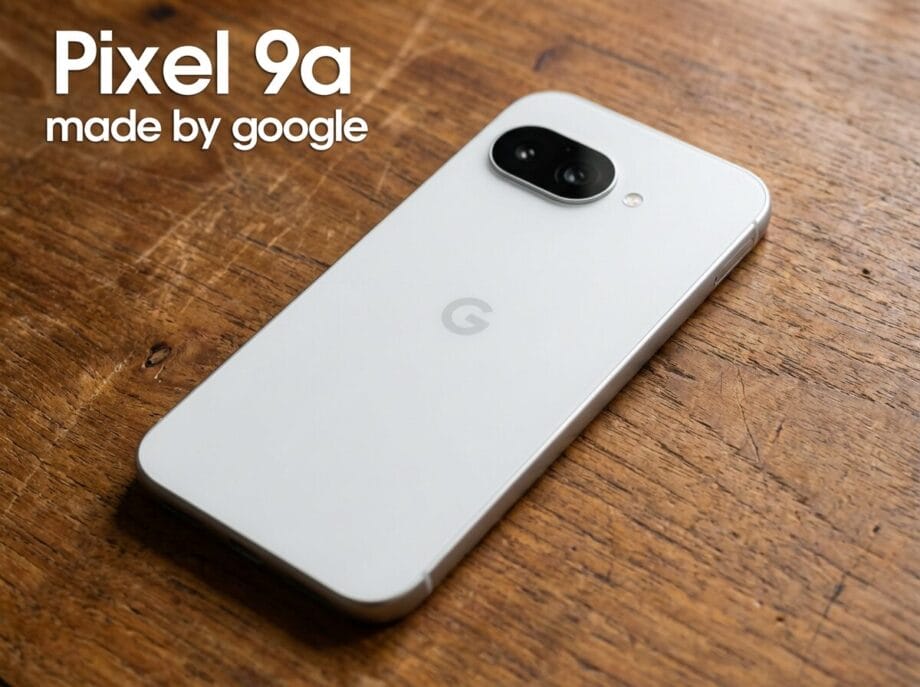
This surge did not stem from Samsung or Motorola—brands that have largely retreated from this price bracket in the US—but rather from the introduction of the iPhone 16e and Google’s own Pixel 9a.
The specific figures were not disclosed, yet Counterpoint noted that Google augmented its presence within this lucrative segment.
Premium devices tend to be the principal catalysts for sales during Q4, driven by the widespread appeal of postpaid offers. Apple capitalized on these promotions, with numerous deals specifically designed for iPhone and iOS device bundles.
Despite this dynamic, substantial year-over-year growth originated from the mid-range bracket ($300-$600), which experienced a 27% rise from the previous year.
Although still a relatively modest segment of the larger market, this phenomenon highlights a consumer shift toward more economical options amid prevailing macroeconomic uncertainties.
This trend benefitted both Apple and Google, with their iPhone 16e and Pixel 9a models leading the way. Conversely, Samsung and Motorola found their market shares diminished due to escalating competition.
The report further suggests that the ongoing memory shortage could significantly impact the sub-$300 market, which has already been under duress in the US over the past year.
It also raises questions regarding the sustainability of growth in the $300-$600 segment as we head into 2026.
Moreover, it posits that any further expansion in this market, coupled with a decline in the premium sector, could indicate a broader trend of consumers opting for less expensive devices, given the uncertain macroeconomic landscape in the United States.
Meanwhile, Google has announced that the Pixel 10a will debut on February 18, while sales for the Pixel 9a are currently active.
Source link: 9to5google.com.