Apple is preparing to unveil its inaugural foldable smartphone, the iPhone Fold, with a launch anticipated in late 2026.
This device is projected to showcase an impeccable, crease-free OLED display, an expansive 4:3 inner interface reminiscent of the iPad mini, a sturdy hinge designed for hundreds of thousands of opens and closes, and a premium price tag estimated between $1,600 and $1,900.
This strategic foray marks Apple’s entrance into the burgeoning foldable market.
Speculated Designs and Folding Mechanisms
Clamshell Versus Inward Folding
Insider reports indicate that Apple is evaluating two distinct folding designs. The clamshell model, which folds vertically along its shorter edge, preserves a closed profile akin to contemporary iPhone variants.
Conversely, the inward folding model appears to have the edge in consideration; it folds along the longer edge, resulting in a broader closed profile and an expansive inner screen when deployed.
Essential Specifications and Pricing
- Display: Creaseless OLED panel featuring a 4:3 aspect ratio, comparable to the iPad mini.
- Camera: A triple-camera system leveraging sensor advancements seen in the most recent iPhone 15 Pro lineup.
- Hinge: An advanced hinge mechanism rated for up to 200,000 uses without signs of wear.
- Processor: Custom Apple silicon (presumably an A-series chip) engineered for the expansive display.
- Price Range: Anticipated between US$1,600 and $1,900, positioning the device as a premium flagship.
- Launch Timeline: Expected to arrive in late 2026.
Rationale Behind Apple’s Entry into the Foldable Market
Historically, Apple has exercised caution, entering new technological arenas only after ensuring robust reliability.
Recent strides in OLED fabrication, combined with a collaboration with a hinge manufacturer capable of producing a crease-free solution, along with the integration of proprietary silicon, suggest that Apple perceives a propitious opportunity to establish fresh standards in durability and performance.
Design Consequences: A Convergence of Phone and Mini-Tablet
The 4:3 inner display intricately blurs the distinction between a conventional smartphone and a compact tablet.
Users will have the ability to fluidly transition from carrying a smartphone in their pocket to utilizing a tablet-sized interface for activities such as email communication, document editing, and light photo editing, all while benefiting from an effortlessly manageable design.
Potential Market Implications and Hurdles
A successful introduction of this foldable device may recalibrate consumer expectations, leveraging Apple’s extensive iOS ecosystem for applications that dynamically accommodate varying screen dimensions.
However, the premium pricing may restrict its appeal primarily to enthusiasts, and critical assessments will focus on durability, particularly the hinge’s longevity and the device’s claim of true crease-free functionality.
Projected Launch Timeline and Anticipated Features
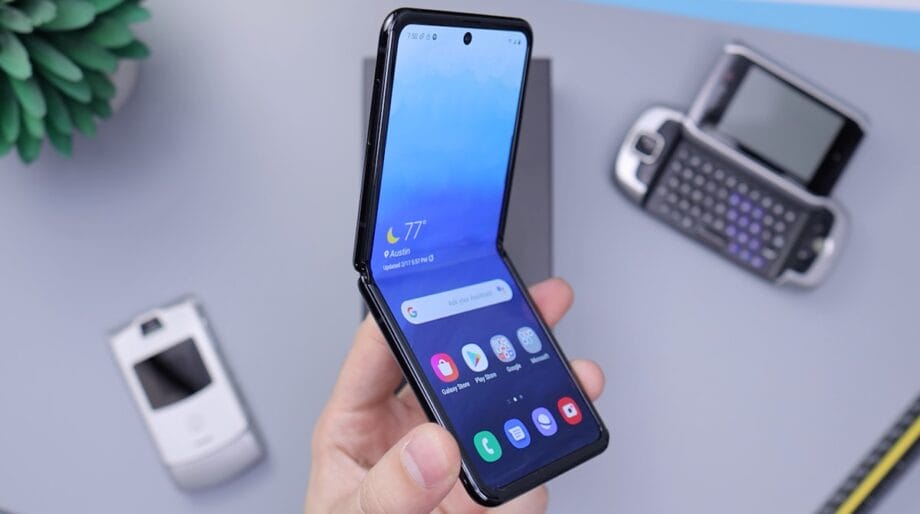
While Apple typically reveals new products during its September keynote, industry speculation suggests a dedicated event in spring 2026 for the iPhone Fold.
Analysts are closely tracking component orders from key display manufacturers as indicators of a potential escalation in production.
The device aims to assure a fluid transition between phone and tablet functionalities, contingent upon meeting its ambitious specifications.
Source link: Seczine.com.