Consumer Concerns Surrounding AI Adoption in Financial Services
As financial institutions strive to integrate agentic AI technologies, paramount consumer concerns center on trust, security, and accountability—issues that companies like Mastercard are keenly addressing with innovations such as Agent Pay.
Mastercard is intent on cultivating confidence among both consumers and merchants through its Agent Pay platform.
Chief Digital Officer Pablo Fourez remarked in an interview with FinAi News that since its inception in April 2025, this tool enables AI agents to execute secure, tokenized payments on behalf of users, who outline the buying parameters.
Simplifying the user experience is essential, Fourez emphasized.
“Agentic payments will proliferate once they are both straightforward to build and readily accepted,” stated Fourez.
He further noted, “Our focus is on streamlining the process for developers and merchants alike.”
Mastercard’s Agent Toolkit offers developers a structured, machine-readable interface to its APIs, thereby simplifying the creation and deployment of agentic payment experiences. Moreover, the financial institution’s Agent Pay Acceptance Framework aims to lower the barriers for merchant engagement.
This framework “enables merchants to recognize trusted agents and process secure, tokenized transactions with minimal operational or technical effort,” Fourez explained.
“Merchants can engage in agentic commerce without overhauling their checkout systems or incurring significant new infrastructure costs.”
Citi and U.S. Bank are among the early adopters of Agent Pay in the United States. Fourez indicated that Mastercard plans to extend this tool to the 15,000 financial institutions it collaborates with worldwide by 2026.
Trust Challenges Ahead
Nonetheless, Mastercard may encounter significant hurdles. Even individuals already utilizing AI express skepticism toward its application in commercial environments, according to Deloitte’s report titled “Rise of Agentic Commerce,” which revealed:
- 58% of consumers harbor concerns regarding security, data privacy, or hacking;
- 57% voiced apprehensions about AI committing errors, making poor decisions, or executing unauthorized actions;
- 39% indicated doubts about reliability and accuracy.
The August 2025 report suggests that to foster trust in agentic systems, institutions could:
- Empower customers to override and audit agentic actions;
- Ensure notifications and foster transparency;
- Guarantee reimbursement for errors induced by AI.
Limiting Liability
Instilling trust and articulating liability concerning AI-driven purchases poses a formidable challenge, noted Arjun Wadwalkar, senior product manager at Global Payments, in an interview with FinAi News.
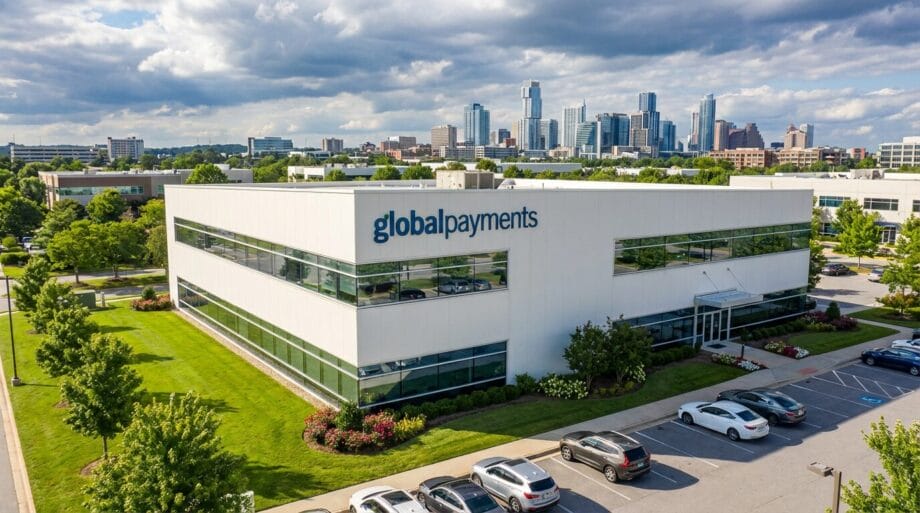
“How do you instill confidence that the agent will execute the intended payment—and who bears responsibility when the agent exceeds its constraints?” he questioned.
Merchants must feel secure in deploying agentic payments; without such assurance, adoption rates will remain low due to fears surrounding chargebacks, Wadwalkar asserted.
Equally, users must gain assurance regarding an agent’s capability to manage payments on their behalf.
The industry is contemplating the precise definition of liability in agentic transactions to enhance trust and expedite adoption, Wadwalkar disclosed.
Security by Design
Fourez concurred, asserting that trust fundamentally begins with a concerted emphasis on security by design.
Every transaction is authenticated, directly traceable to a specific agent, and fortified by the advanced tokenization and fraud protection technologies that safeguard contemporary mobile and online payments, according to Fourez.
Source link: Finainews.com.