Potential Boost for Cross-Border E-Commerce in India
New Delhi: The impending budget is poised to invigorate cross-border e-commerce, particularly benefiting micro, small, and medium enterprises (MSMEs).
Government officials indicate that there are considerations to relax regulations surrounding the return of goods and to significantly elevate the e-commerce export value limit for couriers from the existing ₹10 lakh per consignment to a projected ₹25 lakh, thereby aligning with the central bank’s cap for cross-border payment aggregators.
“Discussions are taking place regarding various relaxations and policy reforms… The emphasis may well center on cross-border e-commerce driven by MSMEs,” remarked one official.
Facilitating easier regulatory conditions is imperative, given that India is in the process of creating specialized e-commerce export hubs aimed at streamlining such transactions. These initiatives are intended to bolster small and medium-sized enterprises, artisans, and local businesses.
Enhancing Reverse Logistics Clarity
Central to this transformation is the goal of reducing both cost and time associated with logistics. This includes refining regulatory frameworks and simplifying the re-import process for returns or rejected items.
The dedicated export hubs will feature warehousing solutions designed for efficient storage, customs clearance, returns processing, labeling, testing, and repackaging.
“The government is rigorously examining the intricacies of courier exports and reverse logistics,” stated the official. Reverse logistics encompasses the management of rejected or returned shipments, including their re-import and disposal.
There exists a palpable demand within the industry for explicit guidelines that classify returned e-commerce exports as re-imports of returned goods.
The absence of a standardized operating procedure complicates matters for e-commerce exporters, predominantly MSMEs, when claiming returned products without incurring duty charges.
Currently, customs require certification that the identical product is being re-imported; otherwise, duty applies.
“It is crucial that MSMEs are not subjected to unnecessary burdens regarding reverse logistics,” the official emphasized.
India’s primary e-commerce export products encompass a diverse array, including fashion and apparel, gems and jewelry, home and living items, organic wellness and beauty products, and handcrafted lifestyle goods.
The nation has set an ambitious merchandise export target of $1 trillion by 2030, aiming for a compounded annual growth rate of 12.2%, with cross-border e-commerce identified as a pivotal element in achieving this objective.
According to estimates, India’s e-commerce exports via postal and courier channels are currently valued at $1.5 billion annually. Global cross-border e-commerce is projected to reach upwards of $2 trillion by 2030.
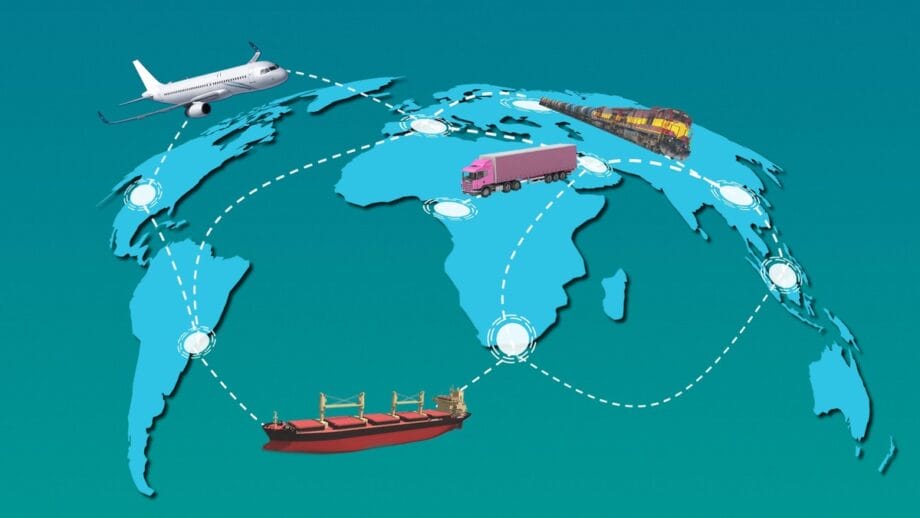
The Foreign Trade Policy 2023 explicitly aims to facilitate cross-border e-commerce for artisans, weavers, craftsmen, and MSMEs.
This policy has culminated in raising the courier export ceiling to ₹10 lakh per consignment, extending benefits such as the Duty Drawback and the Remission of Duties and Taxes on Exported Products to courier-mode exports.
Establishing over 1,000 post office export centers and simplifying related procedures in the Export Data Processing and Monitoring System to lessen compliance burdens and stimulate small-scale e-commerce exports.
Source link: M.economictimes.com.