The Acceleration of Technological Advancement in 2026
The march of time and technology shows no signs of deceleration, and as we approach 2026, this relentless momentum is poised to amplify. Rivian’s homegrown chip, the Rivian Autonomy Processor (RAP 1), is outpacing established chip manufacturers like Nvidia.
The fervor surrounding artificial intelligence (AI) is anticipated to transition from sensationalism to tangible applicability. We are now at a pivotal juncture where extravagant assertions require substantive validation.
In parallel developments, automakers appear inclined to diminish their dependence on technology firms, aiming to cultivate in-house capabilities. Rivian, buoyed by Ford’s investment, exemplifies a nascent shift in this direction.
Moreover, this year will see AI and its corresponding transformations become even more integrated into our daily existence. The pressing query remains: can regulatory bodies and lawmakers keep pace with this rapid evolution?
Can We Trust AI?
The forthcoming generation of AI frameworks from titans like Google, OpenAI, and Anthropic is set to be unveiled this year. Similarly, industry leaders such as Nvidia and AMD are developing their next line of advanced chips.
As these allied enterprises invest billions to bolster one another, the demand for power and water from global data centers is expected to surge. Concurrently, more enterprises are likely to reallocate specific functions to AI algorithms.
What’s on the Horizon?
Currently, we lack defined standards for what constitutes “good” AI, or the type we can genuinely “trust.” Presently, AI firms rely predominantly on self-regulation, a strategy that has proven ineffective, with a glaring absence of consensus on ethical boundaries. In many instances, this results in negligible oversight.
Mark Roberts from the AI Futures Lab at Capgemini emphasized, “By 2026, ethical considerations must be assimilated into engineering practices.”
This development is paramount. Globally, the landscape of AI regulation remains largely barren. The European Union, however, is forging ahead with the EU AI Act (2024), the inaugural comprehensive legislation designed to regulate AI, which will likely adapt and expand as it aims to enforce new rules incrementally. This initiative could serve as a precedent for other jurisdictions.
The Emergence of the ‘Super Phone’
Pay close attention: the smartphone is evolving.
The year 2026 may herald the dawn of super-smartphones, characterized not solely by enhanced processing capabilities but by multifarious functionalities.
Samsung is poised to introduce the Galaxy Z TriFold, a transformative three-fold device resembling a foldable tablet, showcasing remarkable display versatility. Meanwhile, Apple anticipates releasing its inaugural foldable iPhone this year, marking a significant milestone for the tech giant.
Oppo, in collaboration with Hasselblad, is unveiling a teleconverter kit for its Find X9 Pro flagship, which will enrich photographic prowess, with other manufacturers likely to follow suit.
Conversely, chip designers Qualcomm and MediaTek are fine-tuning their processors for speed, on-device AI, and overall efficiency. However, rising memory prices driven by AI demand may lead to increased costs for future smartphones.
The Future of Windows 11
Rectifying the present predicaments will pose considerable challenges.
Ongoing routine updates to Windows are inexplicably impairing crucial functionalities across millions of personal computers. The zealous pursuit of AI incorporation within the operating system has introduced friction where it should not exist; notably, many users were disinterested in these advanced AI features.
Company leaders maintain that these inconveniences represent the cost of progression. Users have quipped that Microsoft risks becoming a brand that drives customers towards Mac and Linux alternatives. The emergence of a purported “affordable MacBook” and Google’s swiftly advancing Chrome OS may further entrench this trend.
The Dawn of Automotive Tech Giants
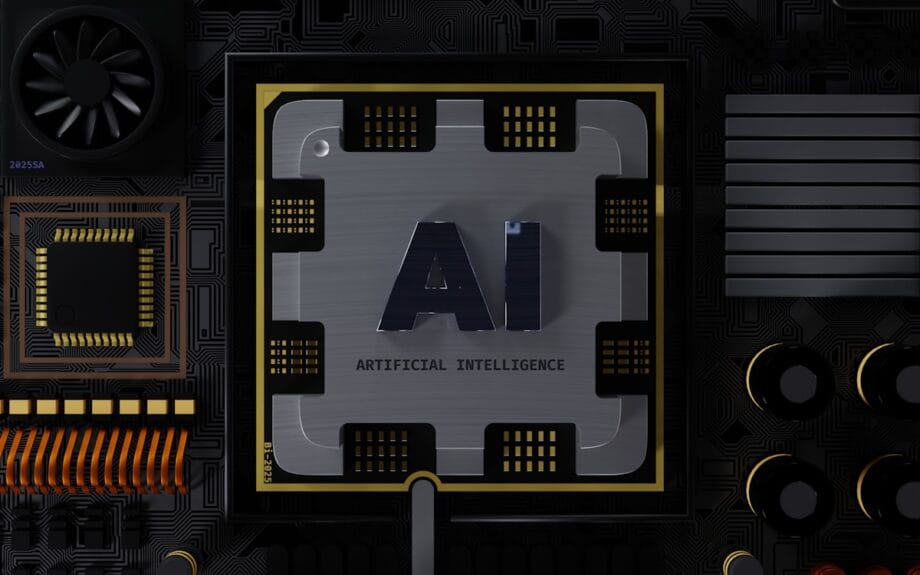
With Rivian, backed by Ford, unveiling its own AI chips alongside a foundational “Large Driving Model” and an AI-driven voice assistant, the intersection of technology and automotive innovation is set for a radical transformation.
Other manufacturers may soon find themselves relegated as Tesla no longer stands alone as the tech-centric automaker.
Rivian is positioning itself to potentially integrate Level 2 autonomous driving capabilities into upcoming models, including the R2.
Its proprietary chip, the Rivian Autonomy Processor (RAP 1), is outperforming established chipmakers like Nvidia. Expect an increasing number of automakers to chart their own paths towards technological independence.
Source link: Hindustantimes.com.