Federal Judge Halts Texas Age Verification Law Impacting App Stores
A U.S. federal judge has intervened, thwarting a contentious law in Texas that mandated Apple and Google to authenticate the age of every individual downloading applications from their platforms. This decision marks a significant victory for major technology firms as similar legislative efforts gain momentum across the nation.
According to The Verge, U.S. District Judge Robert Pitman issued a preliminary injunction, effectively suspending the Texas App Store Accountability Act (SB 2420), which was slated to be implemented on January 1.
This statute would have compelled mobile app stores to not only verify user ages but also relay that data to developers, positioning Apple and Google as gatekeepers for determining age-appropriate content throughout the app landscape.
In his verdict, Judge Pitman likened the law to “a regulation mandating that every bookstore confirm the age of each patron at the entrance, requiring parental consent for minors both upon entry and prior to purchasing a book.”
Though he has yet to assess the law’s constitutional merits, Pitman indicated that the state is likely to encounter significant hurdles, noting the rigorous scrutiny imposed by the First Amendment.
Moreover, the judge determined that Texas was unable to substantiate that the law represented the “least restrictive means of achieving a compelling state interest.” He emphasized that it would likely falter under intermediate scrutiny.
“Regardless of the compelling nature of policy concerns and the broad consensus on the necessity for action, the Court is compelled to adhere to established legal principles,” Pitman articulated.
This ruling carries considerable weight, as Texas was the pioneer state to see such an app store age verification initiative face judicial scrutiny.
Legislative measures of a similar nature have already gained passage in Utah and Louisiana, while federal counterparts are under deliberation in Congress.
The Texas law drew particular attention due to significant lobbying efforts from corporations like Meta, Snap, and X, which advocate for shifting the burden of age verification to app stores.
Apple has emerged as one of the staunchest adversaries of this legislation. Reports indicate that CEO Tim Cook reached out to Texas Governor Greg Abbott in a bid to derail the law, citing concerns related to privacy and the potential for expansive data collection practices.
Google expressed its opposition to the Texas framework, although it has endorsed a different age assurance model approved in California that demands less personal information.
The challenge to the Texas statute was initiated by the Computer & Communications Industry Association, representing members such as Apple, Google, and Meta.
They contended that the Act “instigates a sweeping censorship apparatus across the entire spectrum of mobile applications.” Additionally, a student advocacy group has sued, asserting that the law would infringe upon minors’ access to free speech.
Notably, public opinion appears to diverge from Apple’s perspective. A recent study commissioned by Meta revealed that 83% of Canadian parents endorse measures obligating app stores to verify user age when downloading applications, underscoring the escalating political demand for enhanced child safety in the digital realm.
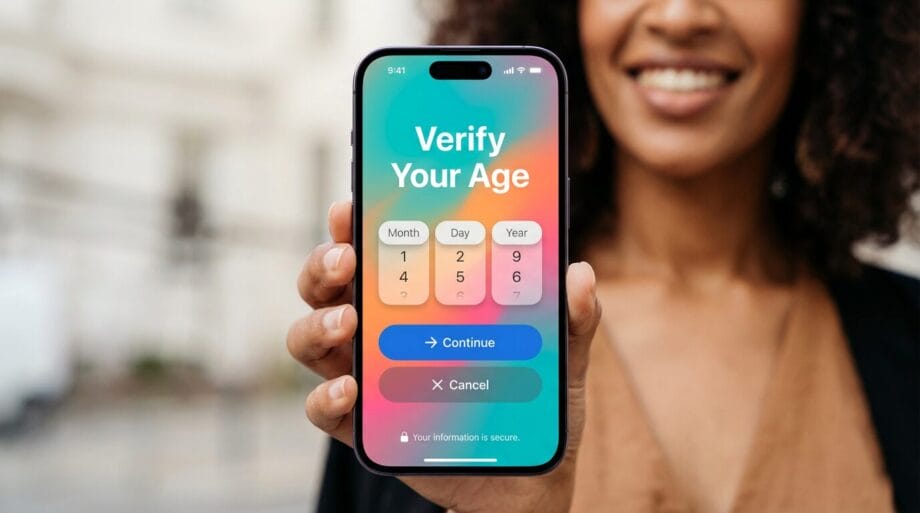
As global regulators persist in compelling Apple to liberalize its iOS framework—including support for third-party app stores, sideloading, and alternative payment methodologies—age verification remains a formidable concern on the horizon.
In anticipation of this reality, Apple seems to be proactively instituting new child safety measures and revising App Store age classifications this year, even while contesting compulsory verification laws in court.
Source link: Iphoneincanada.ca.