Quick Summary:
Track and trace gives manufacturers full end-to-end visibility by assigning unique IDs to every product and capturing real-time movement data across production, storage, and transport. It solves common supply chain issues like inaccurate inventory, counterfeits, compliance gaps, and operational delays by creating a verified product history at every checkpoint.
Integrated with ERP, logistics, and warehouse systems, it streamlines workflows, improves accuracy, reduces costs, and strengthens regulatory compliance. As IoT and AI evolve, track and trace will become even more predictive, helping companies prevent disruptions before they happen and maintain a fully transparent, accountable supply chain.
Introduction
Nearly 40 percent of supply chain disruptions occur due to missing or inaccurate product information, according to industry reports. Manufacturers often struggle to locate items, verify authenticity, or respond to recalls quickly because data is scattered across multiple systems. These gaps increase costs, delay deliveries, and create compliance risks.
Track and trace solutions provide a structured approach to monitor every product from production to the end-user. By assigning unique identifiers and capturing real-time movement data, these systems create a complete record of each item, which later improves operational control across the supply chain.
What is Track and Trace, and Why Does It Matter
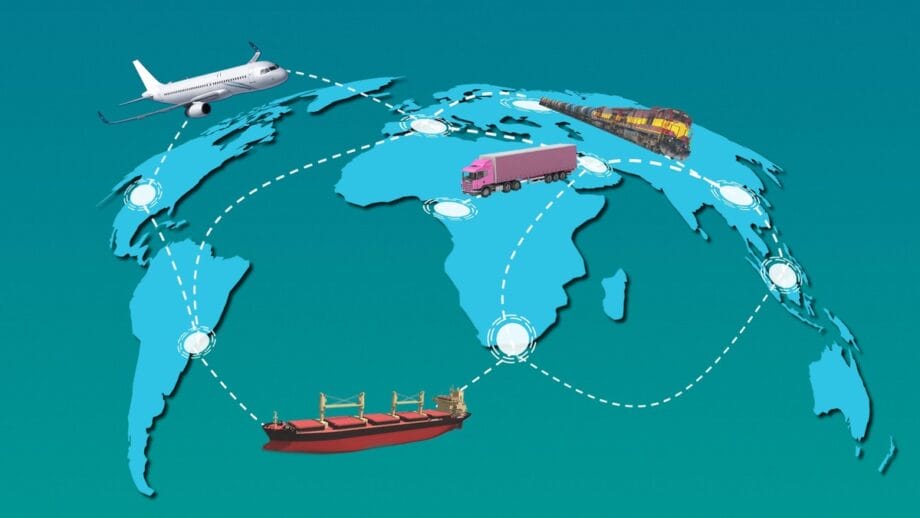
Track and trace is a system that monitors and records the movement of products at every stage of the supply chain. Each item is assigned a unique identifier such as a barcode, QR code, or RFID tag. The system captures production, storage, and transport data in real time.
Key advantages of track and trace include:
- Ensure visibility across suppliers, warehouses, and distributors.
- Reduce errors in order fulfillment and inventory management.
- Prevent counterfeit or unauthorized products from entering the supply chain.
- Provide reliable data for audits and regulatory reporting.
In industries like pharmaceuticals, automotive, and electronics, track and trace is critical because even minor discrepancies can cause serious operational and legal consequences.
Key Supply Chain Challenges Addressed by Track and Trace
Modern supply chains are complex, with multiple partners and stages. Without proper monitoring, companies face the following challenges:
- Limited real-time visibility: Managers cannot see product location or status instantly.
- Counterfeit products: Unauthorized items can enter distribution channels unnoticed.
- Inventory mismanagement: Stock shortages or overstocking result from poor tracking.
- Regulatory risks: Industries require detailed product history for compliance.
- Operational inefficiency: Manual tracking leads to delays, errors, and higher costs.
Track and trace systems solve these problems by providing structured visibility, automated tracking, and verified product records.
Essential Features of Track and Trace Solutions
Track and trace systems are effective because they combine multiple functions that capture, record, and verify product data throughout the supply chain. Each feature addresses a specific operational challenge, from maintaining accuracy in inventory to ensuring compliance, creating a system that supports both daily operations and long-term process improvement.
Unique Product Identification
Every product gets a unique code for tracking. Benefits include:
- Identify individual items in production and distribution.
- Prevent duplication or counterfeit entries.
- Capture data at multiple checkpoints automatically.
Real-Time Monitoring
Track and trace systems allow live tracking of product movement. Benefits include:
- Monitor the location and status of each item continuously.
- Detect delays, theft, or misplacement immediately.
- Enable quick operational decisions.
Inventory and Logistics Integration
The system links warehouses, transportation, and suppliers. Advantages include:
- Maintain accurate stock levels across locations.
- Reduce shortages or excess inventory.
- Optimize supply chain planning.
Compliance and Reporting
Track and trace maintains detailed product records. Benefits include:
- Provide audit-ready documentation for regulators.
- Confirm product quality and origin.
- Simplify reporting and inspections.
Analytics and Insights
Collected data can be analyzed to improve operations. Benefits include:
- Identify recurring supply chain issues.
- Optimize production and distribution strategies.
- Make evidence-based decisions to reduce costs.
How Track and Trace Improves Operational Efficiency
Many manufacturers struggle to pinpoint where delays or errors occur within complex supply chains. Track and trace provide a clear record of each product’s journey, allowing teams to analyze process flows and identify recurring bottlenecks. This data-driven approach helps operational efficiency in the following manner:
Faster Product Movement
- Real-time tracking reduces delays in production and delivery.
- Automated scanning accelerates processing and dispatch.
- Minimizes idle time in warehouses and transit.
Reduced Errors
- Automatic data capture eliminates manual entry mistakes.
- Improves accuracy in shipping, labeling, and inventory.
- Reduces the risk of misplaced or lost items.
Cost Management
- Optimized inventory lowers storage and holding costs.
- Preventing counterfeits avoids potential financial loss.
- Improves resource allocation across supply chain partners.
Data-Driven Decisions
- Managers access accurate, up-to-date information.
- Enables quick response to supply chain disruptions.
- Supports strategic planning and continuous improvement.
Ensuring Compliance and Product Authenticity
Track and trace systems provide a verified record of every product. This is crucial for industries with strict regulatory standards.
Benefits include:
- Maintain full traceability from raw material to end customer.
- Simplify audits with structured, accessible records.
- Detect unauthorized or counterfeit products before they reach consumers.
- Ensure adherence to industry standards and safety regulations.
Compliance is not just regulatory; it directly impacts brand trust and operational reliability.
Integration with Manufacturing and Logistics Systems
Track and trace works best when integrated with ERP, warehouse management, and logistics systems. Integration ensures:
- Production orders and shipments are synchronized with inventory data.
- Real-time updates from factories, warehouses, and transport are captured automatically.
- Visibility extends across multiple locations and partners.
- Data collected supports analytics, performance monitoring, and reporting.
Integrated systems reduce duplication, streamline workflows, and improve overall supply chain responsiveness.
Supporting Traceability in Manufacturing
Maintaining traceability in manufacturing is critical for quality control, recalls, and compliance. Track and trace solutions record every step of production, including:
- Raw material sourcing and supplier information.
- Machine and operator details during manufacturing.
- Inspection and quality check results.
- Movement through warehouses and distribution channels.
This level of traceability helps manufacturers identify the root cause of defects quickly, manage recalls efficiently, and ensure product quality across the entire supply chain.
Future Trends in Supply Chain Visibility
Track and trace technology is evolving alongside Industry 4.0. Emerging trends include:
- IoT-enabled sensors for real-time condition monitoring.
- Cloud-based platforms for multi-location visibility.
- Advanced analytics and AI to predict delays or supply chain disruptions.
These innovations enhance operational control, reduce risk, and provide more actionable insights for manufacturers and supply chain managers.
Achieving Complete Supply Chain Visibility

Track and trace solutions give manufacturers direct access to real-time data on every product. They improve process accuracy, reduce errors, and prevent counterfeit items from entering the supply chain. Detailed records enable audits, recall management, and regulatory compliance.
These systems connect production, inventory, and logistics, allowing teams to act quickly when disruptions occur and make operational adjustments based on verified data. Implementing track and trace establishes a measurable and controlled supply chain, supporting reliable deliveries, optimized resource use, and consistent performance.
For modern manufacturing, these solutions are essential tools for managing complexity, maintaining accountability, and ensuring every step in the supply chain is visible and verifiable.


