Introduction
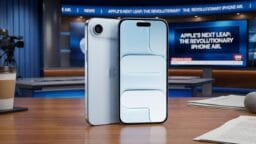
Upon its debut in September 2025, the iPhone Air was celebrated as a remarkable blend of elegance and sophistication. Boasting a mere 5mm thickness, it represented Apple’s most daring design endeavor — lightweight, sleek, and undeniably refined.
Yet, just weeks after its launch, troubling reports emerged regarding sluggish sales, production reductions, and a lack of consumer enthusiasm. For a corporation known for its astute grasp of market dynamics, the iPhone Air marked an unusually miscalculated venture — one that unveiled critical insights.
This article delves into the reasons behind the underwhelming performance of Apple’s slimmest iPhone to date, illuminating lessons on design, functionality, and understanding genuine product-market alignment.
5 Key Takeaways
- Thinness is no longer king: Consumers now prioritize battery life and durability over mere aesthetics.
- Value must reflect price: A premium cost must be accompanied by a compelling value proposition.
- Durability fosters trust: Perceptions of fragility can jeopardize even high-end devices.
- Design ≠ innovation: Functional enhancements hold greater significance than superficial upgrades.
- Competitors are keenly aware: Rivals are poised to capitalize on Apple’s overlooked functional shortcomings.
1. Too Thin to Endure: The Battery Life Dilemma
With the iPhone Air, Apple achieved a remarkable feat — a device so slender it appeared futuristic. However, engineering innovation collided with a familiar adversary: battery capacity.
In pursuit of an ultra-svelte design, Apple compromised by reducing the battery size. Despite software optimizations, users voiced dissatisfaction over short usage times and frequent recharging.
In an era where smartphones double as work hubs, content creation tools, and cameras, users demand all-day reliability. Elegance in design could not mitigate functional shortcomings, leading to battery anxiety that ultimately deterred consumers.
2. Premium Price, Disappointing Value
Positioned at nearly $1,000, the iPhone Air filled the gap between the iPhone 16 and 16 Pro, yet offered less value than its counterparts.
Lacking the Pro’s versatile camera capabilities and failing to deliver significant performance enhancements, it sacrificed endurance for style. Essentially, Apple imposed a higher cost for an inferior product.
The iPhone Air was not inherently flawed; it simply did not align with user expectations. Where Apple presented thinness as innovation, consumers craved extended longevity, advanced AI features, and robust battery life. The product lacked a compelling justification for its existence.
3. Fragility Concerns: When Aesthetics Compromise Stability
Despite Apple’s assertions of “aerospace-grade” durability, fragility fears rapidly emerged.
Some early adopters reported that the iPhone Air deformed under slight pressure or became excessively warm during prolonged use. Social media exacerbated the situation, as bending tests and durability memes spread virally.
For a $1,000 device, perceptions of weakness proved disastrous. Consumers expect Apple products to exude reliability, and even the mere insinuation of damage was sufficient to undermine trust.
4. Aesthetic Over Utility: Features That Disappointed
The iPhone Air offered breathtaking design, yet fell short in delivering fundamental features.
- Absence of a triple-camera system akin to Pro models
- Reduced battery size, resulting in quicker depletion
- Thermal throttling during high-resource activities, like gaming or 4K filming
- Streamlined design contributed to a slippery grip
Apple’s guiding principle — “less is more” — ultimately backfired. Users sought enhancement, not merely elimination. By prioritizing aesthetics, Apple blurred the boundaries between innovation and extravagance.
5. Competitors Prioritizing Utility Over Style
Whereas Apple fixated on minimalistic design, its competitors prioritized enhanced functionality.
- Samsung intensified its focus on camera intelligence and energy efficiency.
- Google embraced innovations in AI photography and real-time transcription.
- Xiaomi and Vivo unveiled well-rounded mid-range models at significantly lower costs.
The iPhone Air dazzled visually but lacked noteworthy functionality. In a landscape where even budget phones exude sophistication, thinness ceased to be a compelling selling point.
Apple’s foremost competitors recognized a fundamental truth: functionality drives consumer decisions far more effectively than aesthetics.
The Bigger Picture: Insights for Apple
The narrative surrounding the iPhone Air transcends that of a mere slim device — it reflects a profound misjudgment of market desires.
Apple’s relentless pursuit of design excellence, while commendable, overlooked the practical demands of its audience. The device’s lackluster reception underscores that even the world’s leading brand can misjudge what consumers prioritize: pragmatism.
Rumors have begun circulating that Apple is recalibrating its approach. Future iterations may incorporate larger batteries, additional camera enhancements, or redesigned thin technology for foldable devices. The principles that birthed the iPhone Air are poised for evolution.
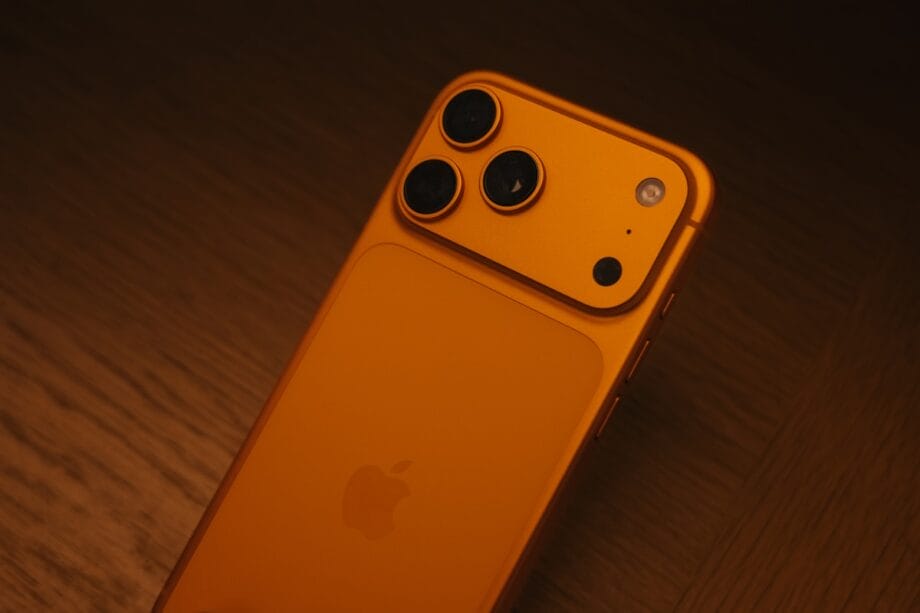
Apple’s supply chain, extending from Foxconn to LG Display, is also feeling the repercussions. Idle production lines and diminished component requests may compel suppliers to diversify towards Android manufacturers. This represents an anomalous moment where Apple’s decisions ripple backward throughout its ecosystem.
Conclusion: The iPhone Air and the Necessity of Balance
The iPhone Air will be remembered not merely as a failure, but as a pivotal lesson — an exquisitely crafted reminder that style cannot supersede function.
However, setbacks at Apple seldom signify the end. Each error, from the butterfly keyboard to the Air, serves as fuel for reinvention. Anticipate that the insights garnered from the iPhone Air will inform Apple’s forthcoming lineup — potentially leading to the long-awaited foldable iPhone.
Source link: Techovedas.com.