In recent years, despite fervent promotions by tech behemoths like Apple, Samsung, and Sony, the drawbacks of wireless earphones have become increasingly evident.
Lithium batteries tend to diminish in capacity with alarming rapidity. Additionally, the portability of charging cases can lead to misplacement. Furthermore, the common occurrence of losing a single earpiece necessitates the replacement of the entire set.
Following a significant decline of $42 million in 2024, sales of wired earphones have experienced a remarkable resurgence, climbing by 20% in early 2026.
While Generation Z and prominent celebrities are often perceived as the catalysts for this shift back to wired earphones, the underlying impetus stems from consumers’ growing disillusionment with throwaway technology.
Reasons Behind the Shift to Wired Earphones
Wired earphones present a multitude of advantages when compared to their wireless counterparts:
- No Battery Anxiety: Unlike wireless earphones, which are hampered by sealed lithium batteries that degrade over time—rendering them unusable within 2-3 years—wired alternatives like the Sony MDR-ZX110 over-ear headphones or the Sony MDR-EX155AP in-ear models are unaffected by charging constraints. This reliability ensures uninterrupted use during conversations and prolonged longevity.
- Pristine Audio and Minimal Latency: The compression of audio data in wireless earphones invariably leads to diminished sound quality and latency issues.
Conversely, wired earphones, including budget-friendly gaming options such as the JBL Quantum 100 headphones and high-fidelity offerings from Sennheiser (HD 560S open-back), deliver crystal-clear, uncompressed audio.
This is particularly advantageous for gaming, music listening, and video production, where synchronization is paramount. - User-Friendly: With most modern devices now equipped with USB-C ports—encompassing smartphones, tablets, and laptops—the integration of USB-C earphones (like boAt BassHeads 300C or Portronics Conch Theta C) facilitates instantaneous connection.
- A Fashion Statement: The trendy visibility of wires—popularized by influential figures and Gen Z creatives—has transformed wired earphones into a fashionable accessory. In contrast to the subtlety of wireless earpieces, sporting wired headphones signifies a desire for undisturbed personal space.
The Advantages of Repairable Technology
In addition to the resurgence of wired earphones, there is a burgeoning awareness regarding the need for repairable electronics.
As components within devices degrade, consumers and regulators alike are advocating for accessible repairs rather than the replacement of entire units.
- Cost-Effective Solutions: Repairing a malfunctioning battery, USB-C port, or cable is inherently less expensive than acquiring a brand new device.
Numerous manufacturers are pivoting towards long-lasting, repairable designs—evident in offerings from Framework with modular laptops and Fairphone earphones featuring user-replaceable batteries. - Extended Device Durability: Particularly in audio gear, headphones with detachable cables and interchangeable ear pads (such as the Sennheiser HD 560S) can easily outlast multiple generations of sealed wireless devices.
- Reduction in Electronic Waste: Enhancing the longevity of everyday gadgets diminishes the volume of e-waste generated, leading to fewer discarded lithium batteries, plastics, and electronic circuits confined to landfills.
- Improved Repairability Advocacy: As consumer demand intensifies and new repairability regulations emerge in the EU, US, and India, corporations are obliged to furnish comprehensive repair guides and ensure the availability of spare parts.
The burgeoning preference for wired earphones and modular devices does not imply a rejection of contemporary technology. Instead, consumers are seeking enhanced value in their purchases.
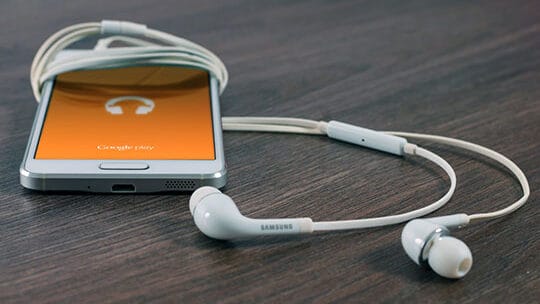
Whether it’s the convenience of untangling earphones during travel or the practicality of replacing batteries without discarding functional devices, opting for a ‘plugged-in’ solution clearly aligns with modern sensibilities.
Source link: Technowize.com.