Seoul Police Investigate Tesla Owners for Software Tampering
The Seoul Metropolitan Police have announced that certain individuals have allegedly employed either imported or homemade devices to circumvent Tesla’s regional software restrictions.
Such tampering could lead to severe penalties, including a maximum imprisonment of two years or a fine amounting to 20 million won.
Within the framework of South Korea’s Motor Vehicle Management Act, any unauthorized software modifications that may compromise the safe operation of a vehicle are strictly prohibited.
On October 27, 2026, the Traffic Crime Investigation Team of the Seoul Metropolitan Police Agency initiated an inquiry into 80 Tesla owners suspected of contravening this legislation in order to activate Tesla’s Full Self-Driving (FSD) driver-assistance technology. The cases have been forwarded to prosecutors for further examination.
Certain suspects purportedly procured devices from Europe or China, among other regions. Law enforcement officials indicated that these owners had neglected to comply with Tesla’s official software updates or certification protocols.
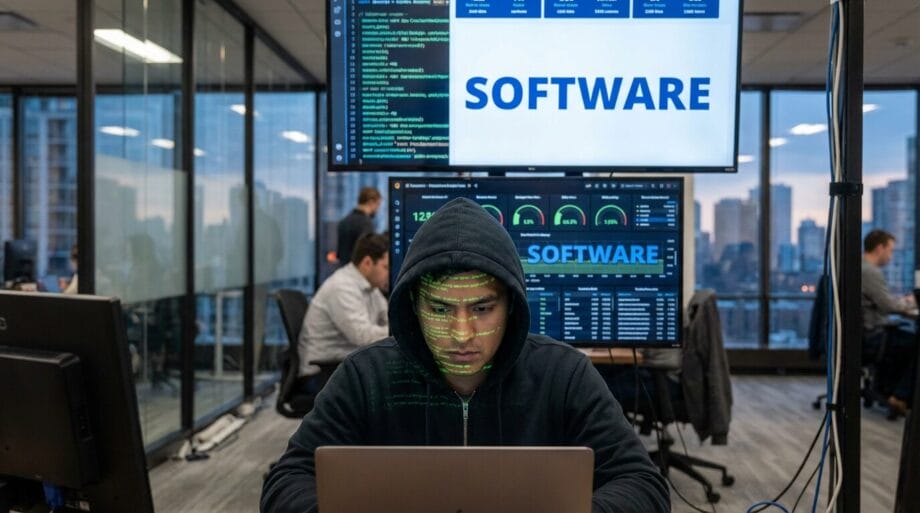
Notably, one individual with a background in the IT sector is believed to have constructed a device utilizing information sourced from GitHub.
Reports linked to the police also detail a suspect who assembled equipment after scrutinizing Tesla’s electronic control systems.
In the investigation, authorities confiscated 21 unauthorized activation devices. Furthermore, these suspects had been disseminating advice within online communities, including strategies to evade detection of the activation in their vehicles.
The restrictions primarily pertain to Tesla Model 3 and Model Y cars manufactured in China, which have yet to meet South Korea’s automotive safety regulations.
In contrast, the US-manufactured Tesla Model S, Model X, and the Cybertruck are exempt from these certification requirements due to the Korea-U.S. Free Trade Agreement, constituting approximately 20.7% of Tesla vehicles on South Korean roads.
The alleged circumventions relate specifically to vehicles lacking official FSD activation and hardware or configuration modifications, rather than Tesla’s standard over-the-air updates.
This investigation was initiated at the behest of South Korea’s Ministry of Land, Infrastructure and Transport, in conjunction with the Korea Transportation Safety Authority.
Authorities highlight that modified software might misinterpret driving conditions or operate contrary to the driver’s intentions.
This situation is distinct from the ongoing debate in Spain regarding the V-16 emergency beacon, where concerns have included political distrust and pricing issues.
Individuals under scrutiny could potentially face two years of imprisonment or a financial penalty up to 20 million won pursuant to the vehicle management law.
This legislation explicitly forbids unauthorized software alterations, including any installations or modifications that could jeopardize a vehicle’s safety.
The 80 cases have been submitted for prosecutorial consideration; however, it is crucial to note that these allegations have not yet resulted in a definitive judicial outcome.
Source link: Russpain.com.