DALLAS – American Airlines Flight 2398 Declares Emergency Due to Laptop Fire
On Friday evening, American Airlines (AA) Flight 2398, en route from Hartsfield-Jackson Atlanta International Airport (ATL) to Dallas/Fort Worth International Airport (DFW), experienced a critical incident when a passenger’s laptop ignited within the cabin during its landing approach.
Fortunately, the Airbus A321 landed without incident, and flight attendants promptly managed to subdue the blazing device.
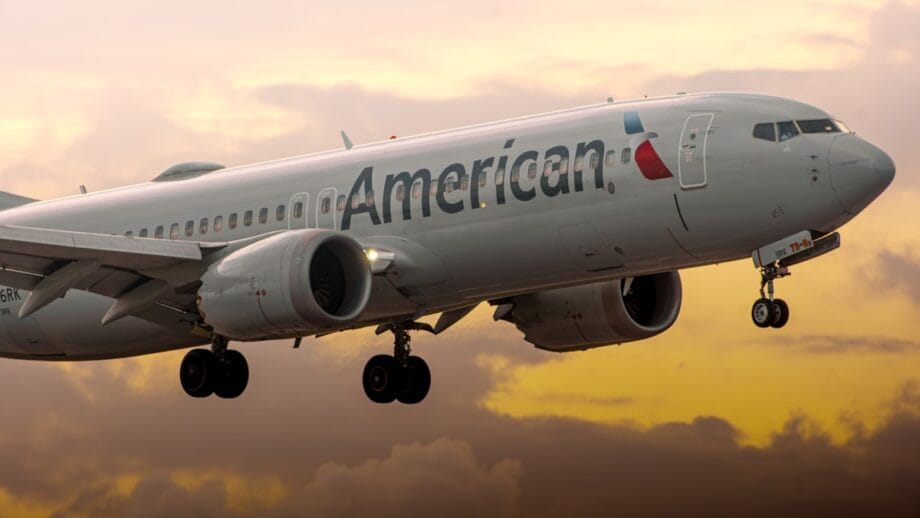
This alarming event triggered a swift emergency response at DFW. Preliminary assessments indicated that up to five passengers may have incurred minor burn injuries; however, only one passenger required medical attention post-landing. Photo: Clément Alloing
Emergency Response Following Laptop Ignition
The dramatic occurrence transpired aboard American Airlines Flight 2398, which was carrying 133 individuals.
As the aircraft neared DFW, the flight crew alerted air traffic control about the incendiary situation involving a passenger’s laptop situated in the rear section of the cabin.
Communications with air traffic controllers revealed that the pilots declared an emergency after being informed of the cabin fire instigated by the electronic device.
The flight attendants exhibited commendable professionalism as they acted immediately to contain the overheating laptop prior to landing.
During radio exchanges, one pilot informed controllers that approximately four to five passengers adjacent to the source of the fire may have suffered thermal injuries.
Nevertheless, the aircraft completed its landing safely at DFW, where emergency services were stationed to provide assistance.
Despite the emergency circumstances, the Airbus A321 managed to taxi to Terminal C under its own power once it had safely landed. Photo: Cado Photo
American Airlines Acknowledges Smoke Originating from Customer Device
American Airlines has officially confirmed the emergency incident stemmed from smoke emanating from a passenger’s electronic device during the landing phase.
In an official statement, the airline conveyed its gratitude toward the crew’s adeptness and timely response:
“American Airlines Flight 2398 landed safely at DFW following reports of smoke emerging from a customer’s device during the landing. We commend our crew for their professionalism and swift actions in containing the device.”
American Airlines Spokesperson
The airline praised the cabin team for adhering to established safety protocols, ultimately averting a potentially escalated emergency situation onboard.
Ground medical personnel assessed passengers upon arrival, and while initial reports suggested multiple burn injuries, it was confirmed that only one individual required medical intervention following the aircraft’s docking at the gate. Photo: American Airlines
Understanding the Risks of Lithium-Ion Batteries
The fire incident aligns with a phenomenon known as thermal runaway in lithium-ion batteries, a precarious situation wherein a battery overheats uncontrollably and ignites.
Thermal runaway can transpire due to various factors, including:
- Physical damage to the battery
- Manufacturing defects
- Extreme heat exposure
- Internal short-circuiting
- Water infiltration or mishandling
Such events can generate intense heat, flames, smoke, and hazardous fumes within mere moments, making prompt crew response vital.
Commercial aircraft are outfitted with specialized fire containment gear, including heat-resistant battery containment bags, enabling cabin personnel to isolate and manage overheating electronic devices until the aircraft can land safely. Photo: Aero Icarus | Flickr
The FAA’s Vigilance Regarding Battery Fire Incidents
The Federal Aviation Administration (FAA) remains vigilant in tracking incidents involving lithium batteries on commercial flights.
According to FAA statistics, over 90 thermal runaway incidents were recorded in 2025, marking a slight uptick from the preceding year.
Portable battery packs have been identified as the predominant source of these occurrences, followed by electronic cigarettes and mobile devices.
Fires associated with laptops are relatively uncommon, accounting for merely eight reported cases within the year.
Given the inherent risks, spare lithium batteries and power banks are prohibited in checked luggage and must be transported in carry-on baggage to facilitate prompt detection by flight crews. This precaution enables immediate action should a device begin to overheat.
Major U.S. airlines—such as American Airlines, Delta Air Lines, Southwest Airlines, and United Airlines—have fortified their policies regarding portable charging apparatuses in recent years, although laptops continue to be permitted in passenger cabins. Photo: American Airlines
Recent Laptop Fire Incidents Spotlight Persistent Hazards
Although laptop fires are infrequent, several recent occurrences underscore the potential dangers posed by lithium-powered devices during air travel.
In November, a United Airlines flight from London Heathrow to Washington Dulles was diverted to Dublin Airport after a passenger’s laptop fell into the aircraft structure, impeding safe retrieval and raising concerns regarding battery damage.
Earlier, in July 2024, an American Airlines flight on the verge of departing San Francisco International Airport was evacuated following a fire triggered by a laptop within a passenger’s bag, resulting in injuries to three individuals.
Safety officials continue to urge passengers to remain vigilant regarding personal electronic devices throughout the duration of flights and to notify the cabin crew immediately if a battery overheats, emits smoke, or exhibits any signs of damage.
Source link: Aviationa2z.com.