Samsung Poised to Reclaim Top Smartphone Vendor Status by 2026
According to Counterpoint Research, Samsung Electronics is anticipated to reestablish itself as the paramount smartphone vendor globally by the year 2026.
This resurgence comes despite the pronounced deceleration currently affecting the industry, largely spurred by escalating memory-chip prices and diminished consumer appetite.
Counterpoint has revised its projections, forecasting a 14.3% decrease in global smartphone shipments for 2026.
This downturn is attributed to a worsening supply chain crisis concerning memory components, which is inflating costs and exerting strain on manufacturers, especially those targeting budget-conscious consumers.
In this challenging environment, Samsung is predicted to experience a modest growth of 0.8% in smartphone shipments this year, enabling it to surpass Apple and recapture its leading position in the global market.
Analysts credit Samsung’s fortitude to its vertically integrated supply chain, extensive product offering, and well-established partnerships with carriers and retailers.
Samsung’s Supply Chain Advantage
Distinct from numerous competitors, Samsung manufactures essential components, including memory chips, within its own facilities.
This internal production grants the company enhanced oversight of supply and pricing, particularly crucial as increasing memory costs compress margins across the smartphone industry.
“Samsung’s ascent back to the pinnacle of the market hinges on its internal component capabilities, comprehensive portfolio, and strong relationships with operators and retailers,” articulated Yang Wang, principal analyst at Counterpoint.
This forecast follows a recent report from Counterpoint indicating that Samsung captured the largest share of global smartphone shipments in the second quarter of 2026, buoyed by robust demand for its flagship and foldable devices.
Chinese Manufacturers Under Strain
Counterpoint anticipates that major Chinese smartphone manufacturers will endure the most significant impact of the market downturn.
Brands such as Xiaomi, Vivo, Honor, and Oppo are grappling with heightened pressure as surging component costs jeopardize their core mass-market segments.
In response, Oppo has commenced scaling back certain facets of its OnePlus brand, while additional Chinese firms are reportedly recalibrating their product lines and shifting toward more premium offerings to mitigate cost challenges.
Among the industry players, Huawei is expected to remain one of the scant few companies experiencing notable growth, bolstered by its increasingly autonomous hardware supply chain, which evolved in response to years of sanctions imposed by the United States.
AI and Foldable Devices Fall Short of Sparking Upgrade Cycle
Despite the industry buzz surrounding the integration of on-device artificial intelligence and the anticipated launch of Apple’s foldable iPhone, Counterpoint does not foresee a significant smartphone replacement cycle materializing in the imminent future.
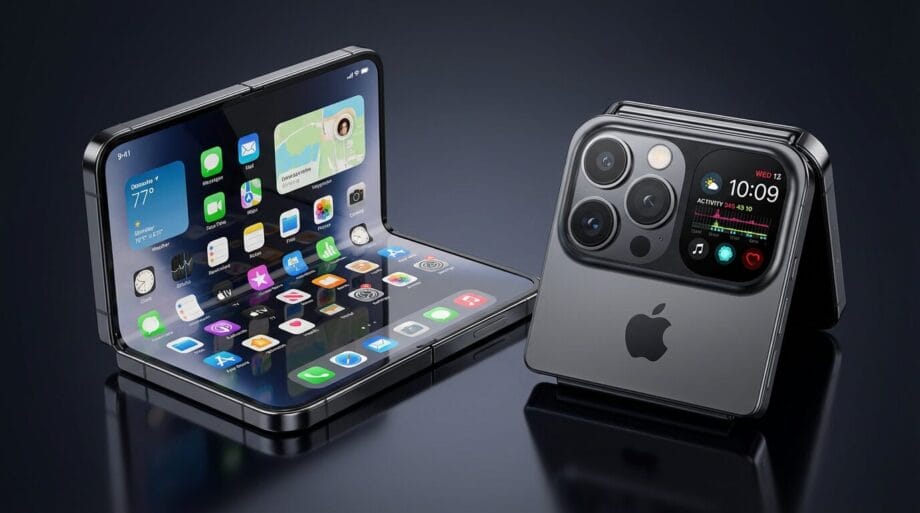
According to the research firm, while foldable devices and AI-driven features may assist brands in differentiating their products and maintaining premium pricing, they are unlikely to catalyze a widespread uptick in shipments.
The overall smartphone market is projected to contract once more in 2027 before resuming growth in 2028, underscoring the extended nature of the current industry malaise.
Source link: Storyboard18.com.