Nineteen Years of Predictability Faces a Paradigm Shift as Apple Alters iPhone 18 Launch Strategy
For nearly two decades, Apple’s product launch timetable has remained constant, but the impending release of the iPhone 18 may herald an unprecedented transformation.
Recent insights from supply-chain analysts reveal that Apple intends to bifurcate the introduction of its iPhone 18 models into two distinct phases.
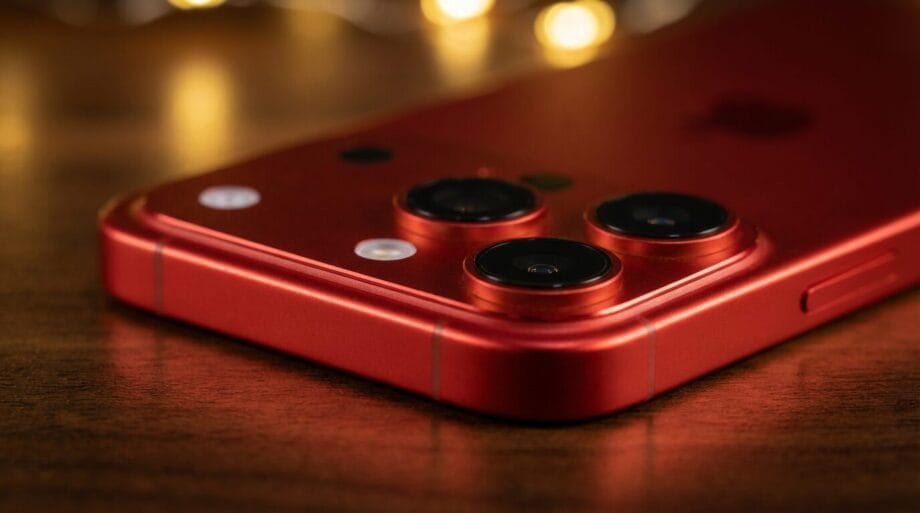
Expectations indicate that the high-end iPhone 18 Pro, Pro Max, and an inaugural foldable variant will emerge in the fall of 2026, whereas the standard iPhone 18, the iPhone 18e, and potentially a second iteration of the Air will grace the market in spring 2027.
This significant postponement, as highlighted by industry analyst Ming-Chi Kuo and corroborated by Largan Precision’s chairman Tony Chen, marks a noteworthy departure from Apple’s normative launch chronology.
This strategy introduces a substantial alteration to Apple’s long-held tradition of staging a cohesive September release, consequently recalibrating consumer anticipations.
By initially spotlighting the premium models, Apple aligns its approach with its historical emphasis on unveiling cutting-edge technology, especially advances in silicon and artificial intelligence, through its flagship devices.
Furthermore, the fiscal rationale is compelling; premium models typically yield superior profit margins, enhancing Apple’s financial performance during the lucrative holiday season.
The dichotomous launch also engenders an intriguing psychological nuance. Following product unveilings, consumers often seize the opportunity to upgrade, capitalizing on trade-in programs and immediate availability.
The postponement of the standard model could amplify initial enthusiasm, possibly steering consumers toward the more expensive Pro versions, thus recalibrating their purchasing decisions.
The impending introduction of a foldable model, anticipated to be priced above the Pro Max, is likely to further sculpt consumer perceptions.
As it repositions the Pro variants as an accessible luxury, this adjustment can significantly influence buyer behavior within an altered product lineup.
While the predominant takeaway concerns the deferral to 2027, the more profound narrative pertains to how this staggered rollout may alter not only Apple’s timetable but also the significance and consumer perception of its standard iPhone offerings.
Further Explorations into Consumer Behavior
In pursuit of more insights on consumer engagement, consider delving into Stan Herd’s innovative storytelling methods through large-scale art.
When will Apple release the iPhone 18 models?
The iPhone 18 Pro, Pro Max, and an initial foldable model are projected for release in fall 2026, while the standard iPhone 18 and the iPhone 18e will launch in spring 2027. Why is Apple splitting the iPhone 18 launch?
This bifurcated strategy allows Apple to concentrate first on premium offerings, ensuring enhanced visibility for its latest technological advancements and optimizing profit margins through the holiday season. How could the split launch affect consumer behavior?
The staggered release may incentivize consumers to gravitate toward the pricier Pro models, as initial excitement during a keynote presentation likely influences purchasing choices in favor of premium products.
Source link: Freeyork.org.