Apple’s highly anticipated foldable iPhone, potentially designated as the iPhone Ultra, is igniting considerable excitement, poised to revolutionize the premium smartphone landscape.
With a speculated price tag soaring beyond $2,000, this device aims to amalgamate cutting-edge innovation with Apple’s hallmark design ethos.
However, a contentious point has already arisen: the conspicuous absence of a true black finish within its limited color palette.
This choice, presumably stemming from manufacturing intricacies, prompts scrutiny of Apple’s strategy regarding its inaugural foldable offering.
Despite the surrounding debate, the iPhone Ultra is set to indelibly influence the technological sphere. For further insights, refer to the detailed video from SaranBytes below.
Color Options: A Conservative Strategy
For those anticipating vibrant customization options for Apple’s foldable iPhone, adjustments may be necessary. Sources indicate that Apple is adopting a restrained color palette, with a deep blue or indigo potentially supplanting the traditional black.
This preference aligns with Apple’s historical inclination towards sleek, minimalist aesthetics in its flagship products.
Nonetheless, the exclusion of a black finish—a widely cherished choice among consumers—has triggered discussions regarding the firm’s design strategy.
The rationale behind the limited color selections likely correlates with the complexities inherent in manufacturing foldable devices.
The meticulous production of foldable screens necessitates exacting precision, and intricate finishes might complicate the process further.
By constraining the color options, Apple may be striving to streamline production while ensuring stringent quality control during the preliminary launch phase.
Though this decision might disappoint some consumers, it underscores Apple’s prudent strategy when entering novel product categories.
The choice illustrates the company’s commitment to delivering a dependable and high-quality offering, even at the cost of some aesthetic diversity.
Manufacturing and Supply Chain Hurdles
In the backdrop, Apple’s supply chain is preparing for the rollout of its foldable iPhone. Reports indicate that Samsung, a pivotal supplier, is augmenting OLED panel production to fulfill Apple’s demands.
However, prevailing supply chain limitations pose significant challenges, potentially constraining the device’s availability at launch and complicating efforts to meet consumer interest.
Historically, Apple has approached new product categories with minimal customization to facilitate manufacturing. This strategy enables the company to concentrate on refining the core product while mitigating production complexities.
By commencing with a limited selection of options, Apple can enhance its methodologies and expand its offerings in subsequent iterations.
This measured tactic has been a defining feature of Apple’s launches, from the original iPhone to the Apple Watch, demonstrating its unwavering commitment to ensuring devices meet the highest standards of quality and functionality.
Innovative Features and Market Potential
The iPhone Ultra signifies a substantial progression within Apple’s product repertoire, merging the functionalities of both an iPhone and an iPad.
With a display size nearing that of an iPad Mini, this device may facilitate advanced multitasking capabilities such as split-screen functionality and optimized layouts tailored for foldable screens.
These characteristics are likely to attract professionals and tech aficionados seeking a device that bridges the divide between smartphones and tablets.
For developers, the foldable iPhone presents novel prospects to craft applications specifically designed for foldable interfaces.
Apple’s tardy entrance into the foldable market could prove advantageous, affording the company the opportunity to glean insights from competitors’ missteps and refine its strategy.
By addressing prevalent concerns, including durability and software optimization, Apple is poised to deliver a more polished and user-centric product.
Such advancements could establish a new benchmark for foldable smartphones, further reinforcing Apple’s reputation for innovation.
Premium Pricing: A Niche Market
With a rumored price surpassing $2,000, the iPhone Ultra is unmistakably positioned as a luxury item. While this premium price may discourage a segment of potential buyers, Apple’s esteemed reputation for quality and groundbreaking technology is likely to captivate a select demographic willing to invest in a high-end device.
The allure of Apple’s inaugural foldable smartphone, coupled with its capacity to enhance productivity, could incite considerable demand among early adopters and industry professionals.
Despite the limited color array, Apple’s commitment to delivering a high-caliber product may outweigh aesthetic apprehensions for many consumers.
The capacity of the device to blur the lines between smartphones and tablets makes it particularly enticing for those in search of advanced multitasking capabilities within a mobile form factor.
For this audience, the iPhone Ultra transcends the definition of a smartphone; it epitomizes a versatile instrument for augmenting productivity and creativity.
Apple’s Strategic Vision
Apple’s methodology regarding the foldable iPhone encapsulates its broader ethos of cautious innovation.
By launching with a restricted array of options, the company can concentrate on perfecting the device’s fundamental features while navigating production challenges.
Over time, it is anticipated that Apple will broaden its color selections and refine manufacturing techniques, mirroring its approach with prior product launches.
Far more than a mere new device, the foldable iPhone represents a pivotal advancement that could significantly influence Apple’s trajectory in the forthcoming decade.
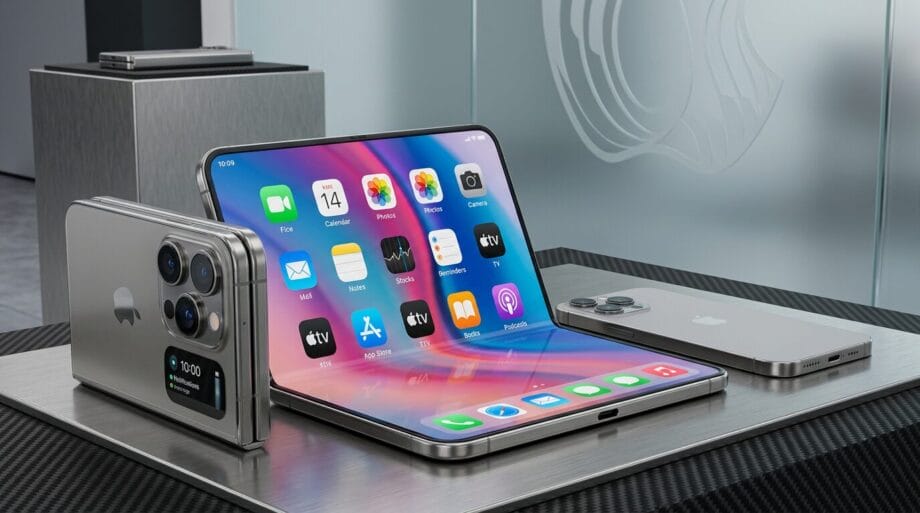
As the foldable smartphone sector continues to evolve, Apple’s entry is projected to shape competitors and recalibrate consumer aspirations.
While hurdles such as limited color options and supply chain constraints persist, Apple’s legacy of innovation positions it to make an enduring impact on the industry.
The iPhone Ultra signifies not merely a response to market dynamics but a strategic leap forward that could reshape the contours of mobile technology.
Source link: Geeky-gadgets.com.