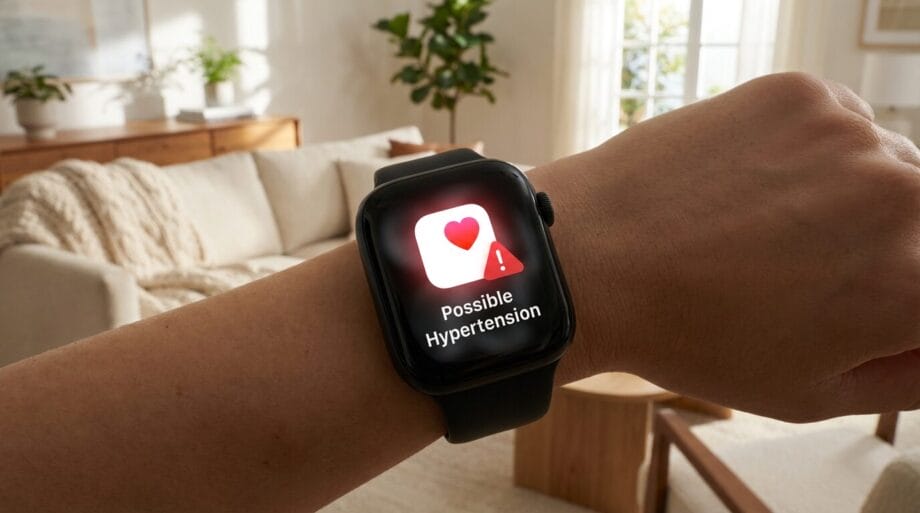
A notification beeps on your smartwatch: “Your heart rhythm may be irregular.” While many might dismiss this alert as a mere glitch, a product of stress, or fatigue, an increasing cohort of patients is discovering that such warnings may herald serious cardiac conditions.
Experts at CARE Hospitals report a marked rise in consultations from individuals receiving abnormal heart rhythm alerts on their wearable devices.
In numerous instances, these routine notifications have led to the identification of previously undiagnosed arrhythmias, averting dire consequences such as strokes, heart failure, or sudden cardiac events.
As the globe commemorates World Heart Rhythm Week 2026 (June 1–7), healthcare professionals are urging the public to heed symptoms like palpitations, accelerated heart rates, dizziness, unexplained fatigue, and breathlessness, particularly when accompanied by smartwatch notifications of irregular rhythms.
Although not every alert indicates a grave concern, healthcare providers emphasize that prompt assessments can demarcate the line between early intervention and a medical catastrophe.
World Heart Rhythm Week serves as a global campaign orchestrated by the Arrhythmia Alliance, aimed at bolstering awareness, facilitating early detection, and enhancing treatment protocols for heart rhythm disorders.
This year’s theme, “Your Heart, Your Rhythm, Your Story,” underscores the critical nature of recognizing alterations in heart rhythms and seeking timely medical assistance.
Atrial Fibrillation (AF) stands out as one of the most prevalent heart rhythm disorders, characterized by an erratic and often rapid heartbeat.
It is estimated that over 60 million individuals worldwide grapple with AF. Untreated, this condition escalates the risk of stroke by nearly five times.
Healthcare specialists observe that heart rhythm disorders are increasingly affecting younger demographics.
Escalating stress levels, sedentary habits, hypertension, diabetes, obesity, sleep disorders, and other cardiovascular risk factors contribute to a surge in cases among individuals in their 30s and 40s.
Many arrhythmias remain underdiagnosed due to their sporadic symptoms, often misinterpreted as anxiety or fatigue. Alarmingly, for some individuals, the first indication of a heart issue may manifest as a stroke or cardiac arrest.
A recent case at CARE Hospitals involved a 42-year-old IT professional who experienced bouts of rapid heartbeat, dizziness, and fluttering sensations over several months.
Assuming these symptoms were linked to his demanding job and insufficient sleep, he disregarded them. The episodes escalated, culminating in a fainting spell at home, necessitating emergency care.
Comprehensive evaluation ultimately revealed a serious heart rhythm disorder that required targeted electrophysiological treatment. Following prompt intervention, his heart rhythm was restored, enabling a full recovery.
While smartwatches are not deemed diagnostic instruments, specialists note their burgeoning role as screening facilitators.
Numerous instances exist where alerts from wearable devices have motivated individuals to seek medical evaluation, leading to the diagnosis of undetected heart conditions, including atrial fibrillation.
Dr. Ramakrishna SVK, Clinical Director of Cardiac Electrophysiology at CARE Hospitals in Banjara Hills, Hyderabad, states, Heart rhythm disorders are more prevalent than many individuals understand.
Symptoms such as irregular heartbeat, dizziness, blackouts, unexplained fatigue, or breathlessness should never be overlooked. Early detection is crucial, as many arrhythmias can be managed or cured with contemporary treatments.
We are witnessing an uptick in patients consulting after receiving irregular rhythm alerts on their smartwatches.
While these devices do not supplant a medical diagnosis, they significantly help raise awareness and encourage early medical consultation.
Advances in cardiac electrophysiology now permit us to accurately diagnose and effectively treat many rhythm disorders via minimally invasive methods.
Dr. Ramakrishna advises anyone experiencing recurrent palpitations, sensations of fluttering in the chest, unexplained breathlessness, dizziness, or unusually rapid or slow heart rates to seek medical guidance.
He emphasizes that timely evaluations can facilitate the early detection of potentially severe heart rhythm disorders, significantly mitigating the risk of complications.
During this World Heart Rhythm Week, CARE Hospitals encourages individuals to be vigilant about their body’s signals, take smartwatch alerts with due seriousness, and pursue prompt medical evaluations when warranted.
Source link: Tripurastarnews.com.